
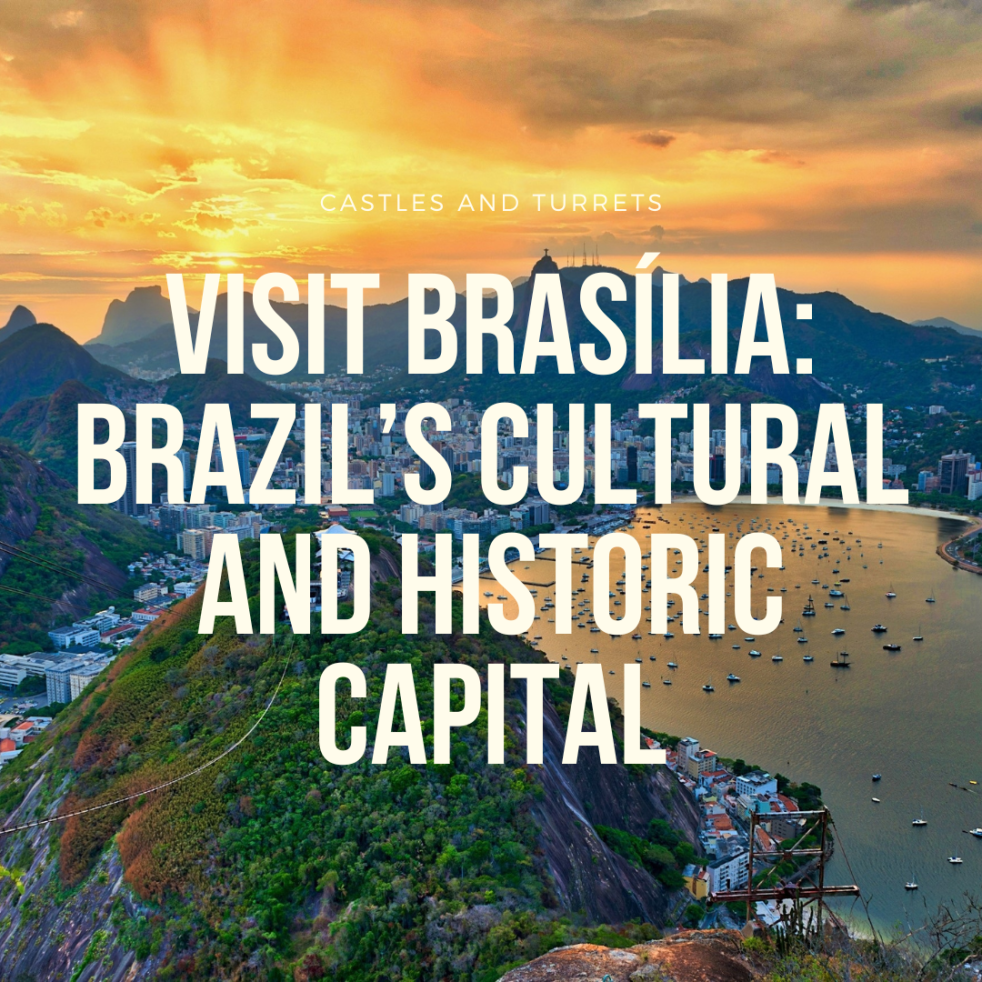
When you think of Brazil, your mind probably drifts to the golden beaches of Rio de Janeiro, the rhythms of Bahia, or the wild heart of the Amazon. But tucked away on a vast plateau in the country’s center lies Brasília—a city unlike any other, a capital carved not from centuries of settlement but from the sheer force of human imagination.
Brasília: Where History Meets Imagination
This isn’t your typical Latin American city, bustling with colonial charm or coastal flair. No, Brasília rises from the cerrado like a sculpture, bold and deliberate. It was built in just 41 months—a heartbeat in historical terms—yet it holds a cultural and political weight that anchors the entire nation.
As a local, I’ve often watched travelers arrive with raised eyebrows, unsure of what to expect from a place known more for government buildings than vibrant street life. And I get it. Brasília doesn’t woo you with clichés. There’s no samba echoing down every alley or beaches brushing against its edges. What it does offer is a living canvas of modernist dreams—a city where history, art, and ideology collide in the most unexpected ways.
In this guide, I’ll take you beyond the surface—to the soul of Brasília. Together, we’ll explore its cultural landmarks, historic roots, and the human stories that breathe life into its monumental structures. Whether you’re an architecture enthusiast, a lover of history, or simply curious about Brazil’s best-kept secret, Brasília might just surprise you.

The Birth of a Capital: From Vision to Reality
Few cities in the world can claim they were imagined before they were built. Brasília is one of them—a city born not out of necessity, but from a visionary idea. The goal? To create a new capital, one that would symbolize Brazil’s progress and unify the nation’s far-reaching regions. And it all started with a sketch.
In the late 1950s, Brazil’s then-president Juscelino Kubitschek launched an ambitious plan to move the capital from the coast to the country’s heartland. It was more than a geographic shift—it was a political statement, a step toward modernizing Brazil and bridging the gap between its coastal elites and interior regions. The location chosen? A vast, sparsely populated plateau in the middle of the cerrado, Brazil’s expansive savannah.
Enter Lúcio Costa, the urban planner whose winning design shaped the layout of the city, and Oscar Niemeyer, the architect who breathed life into its structures. Together, they envisioned Brasília as more than just a collection of buildings. It was to be a symbol of a new era, where order, symmetry, and open spaces would define urban life. Costa’s master plan, famously shaped like an airplane or bird, gave the city its iconic structure—the Monumental Axis as the fuselage, and the residential wings stretching outward.
Construction began in 1956 and was completed in a jaw-dropping 41 months. Imagine that: an entire capital city, built almost overnight. Thousands of workers, known as candangos, flocked to the site from all corners of Brazil. Their hands shaped Brasília’s future, though many of their stories remain in the shadows of the monumental buildings they helped raise.
Today, the city still echoes that sense of purpose. When you walk through its wide boulevards or gaze up at its soaring structures, you’re not just seeing concrete and glass—you’re stepping into a utopian experiment, a dream of progress cast in stone.
Architectural Marvels: The Legacy of Niemeyer and Costa
Walking through Brasília feels a bit like stepping into an open-air museum of modernist art. But this museum doesn’t come with velvet ropes or hushed tour guides. Here, the streets themselves are exhibits, and the buildings? Sculptures that dare to dream.
Take the Cathedral of Brasília for instance. From the outside, its sixteen concrete columns arc skyward like hands in prayer, an architectural embrace toward the heavens. Step inside, and the stained glass ceiling floods the space with colored light, creating an atmosphere that feels both sacred and surreal. Whether you’re religious or not, it’s hard not to feel something stir beneath that kaleidoscope sky.

Just down the Monumental Axis, the National Congress buildings stand with their twin towers flanked by two domes—one upright, one inverted. They’re symbols of balance, meant to represent Brazil’s legislative chambers. These structures aren’t merely functional—they’re statements, daring and deliberate.

And then there’s the Palácio da Alvorada, the official residence of the President of Brazil. Its slender columns reflect gracefully in the surrounding water, blending modernist elegance with political gravitas. Niemeyer’s genius wasn’t just in the shapes he created—it was in the emotions those shapes evoked. His philosophy? That curves are the essence of life, much like Brazil’s landscapes and rhythms.

Even for those who don’t consider themselves architecture buffs, Brasília’s skyline is captivating. You can’t help but feel that sense of space and freedom as the city opens up around you—no towering skyscrapers crowding your view, no claustrophobic streets. Here, the sky is just as much a part of the landscape as the buildings themselves.
For anyone fascinated by modernist design, Brasília is a pilgrimage site. And even if architecture isn’t usually your thing, you might just find yourself lingering a little longer, tracing the lines of a building with your eyes, wondering how something so structured can feel so free.
For readers who appreciate historical sites with an architectural twist, Brasília’s modernist marvels fit right into that lineage of visionary design.

Cultural Landmarks and Museums: Brasília’s Soul Beneath the Surface
While Brasília’s skyline is all clean lines and concrete curves, its soul beats loudest in the spaces where culture and creativity collide. Beyond the monumental government buildings, there’s an undercurrent of art, music, and history that gives this city its heartbeat—a rhythm that’s quieter than Rio’s samba, but just as powerful.
Start your cultural dive at the Centro Cultural Banco do Brasil (CCBB). More than just a gallery, this space is where Brasília lets its creative side loose. From contemporary art exhibitions to indie film screenings and open-air concerts, the CCBB is constantly reshaping the city’s cultural landscape. Many of its events are free, making it not just accessible but essential for understanding Brasília’s evolving identity. You can check the CCBB’s official site for current exhibitions and events.
Just a short walk from the Monumental Axis, you’ll find the Museu Nacional da República. Designed by Niemeyer, this swooping white dome looks more like a spacecraft than a museum. Inside, it houses rotating art exhibitions and cultural events that give voice to both Brazilian and international artists. But honestly? Half the experience is simply standing outside, tracing the arc of the building against the open sky.

And then there’s the Memorial dos Povos Indígenas, a lesser-known but deeply moving tribute to Brazil’s indigenous cultures. Its design—a spiral structure inspired by a traditional Maloca—draws you inward, inviting reflection on the country’s often-overlooked native histories. The museum showcases artifacts, crafts, and art from various indigenous groups across Brazil, offering a counterpoint to the modernist narrative that dominates the city’s architecture.

Want to feel the pulse of Brasília’s local life? Head to one of its weekend markets, like the Feira da Torre de TV. Nestled beneath the TV Tower’s soaring frame, this market brims with handmade crafts, local street food (be sure to try the pastel and sugarcane juice), and the kind of lively banter that reminds you: yes, this is still Brazil.
These cultural spaces aren’t just add-ons to Brasília’s experience—they’re the threads that tie its futuristic design to its rich, diverse heritage. And it’s in these moments, wandering through an art exhibit or sampling a regional dish at a market stall, that the city truly starts to open up.

Green Spaces and Lakeside Escapes: Finding Tranquility in the Cerrado
For a city often celebrated for its architectural ambition, Brasília surprises many with just how much green space it offers. Designed with openness in mind, the capital doesn’t hem you in—it invites you to breathe, to wander, to pause beneath its vast skies.
One of the best places to feel this sense of expansiveness is Parque da Cidade Sarah Kubitschek, affectionately known simply as Parque da Cidade. Sprawling across 420 hectares, it’s one of the largest urban parks in the world—bigger even than New York’s Central Park. Locals come here to run, cycle, skate, or simply relax under the shade of ancient trees. There’s something grounding about spending a morning here, watching families picnic and kids fly kites while the distant skyline hums quietly in the background.

But Brasília’s crown jewel of natural spaces is undoubtedly Lake Paranoá. This sprawling man-made lake was designed not just for aesthetics but as a crucial part of the city’s ecosystem, offering both recreation and respite. On any given day, you’ll see paddleboarders gliding across its calm waters, sailboats catching the breeze, and locals stretched out on the decks of lakeside bars.
For a laid-back, almost Mediterranean vibe, head to Pontão do Lago Sul, a leisure complex along the southern edge of the lake. Here, you can enjoy sunset drinks, dine al fresco, or simply stroll along the waterfront promenade. It’s one of those rare spots where Brasília lets its hair down—where modernist edges soften into the ripples of the water. Check out Pontão’s official site for restaurant options and event listings.

And if you’re craving a quiet moment with nature, away from the buzz of restaurants, make your way to Ermida Dom Bosco. Perched on a hillside overlooking the lake, this peaceful park is named after the Italian saint who, legend has it, dreamed of a utopian city in this very spot. Whether you believe in prophecy or not, the sunset views here are undeniably magical—the water glowing orange, the sky wide open, the city skyline in soft silhouette.
These spaces remind you that Brasília isn’t just about concrete and glass. The cerrado—Brazil’s unique savannah biome—still breathes here, threading between the roads and buildings, offering refuge for both people and wildlife. And sometimes, the best way to experience the capital is to simply sit by the lake, feel the breeze, and watch the day slow down.
Gastronomy in Brasília: Where Regional Traditions Meet Global Flair
If Brasília’s architecture nourishes the eyes, its culinary scene feeds the soul. This city’s food reflects Brazil’s diversity—a crossroads where regional flavors, immigrant influences, and creative innovation meet in unexpected ways. Dining here is not just about the dishes; it’s about stories and connections, told through ingredients and traditions.
Start with Coco Bambu, a celebrated spot that brings the coastal flavors of Brazil’s Northeast right to the heart of the capital. Their generous seafood platters—stacked with shrimp, octopus, and fresh fish—are perfect for sharing, while the rich moqueca (a coconut fish stew) offers a comforting taste of Brazil’s shores.
For an immersive culinary experience that celebrates the flavors of Brazil’s heartland, head to Brasis Ateliê Gastronômico. This charming spot in Asa Sul is all about honoring the cerrado’s biodiversity—think native fruits like pequi and baru nuts, aromatic herbs, and locally sourced ingredients—elevated through creative, contemporary techniques.
The tasting menus here shift with the seasons, ensuring that every visit brings something fresh and unexpected to the table. Whether it’s a smoky grilled fish paired with cerrado spices or a dessert infused with native honey, each dish feels like a thoughtful exploration of regional identity. The ambiance? Warm, intimate, and effortlessly sophisticated—perfect for an evening of discovery beyond the usual tourist trail.
If you’re after a more casual adventure, the vibrant Mercado Municipal de Brasília offers a lively market experience. Wander among stalls selling artisanal cheeses, fresh produce, and Brazilian wines, or stop by one of the many small eateries for pastéis de feira—crispy pastries filled with cheese, meat, or heart of palm. It’s a great place to snack your way through local flavors while soaking up the city’s laid-back energy.
For a global twist, Taypá Sabores del Peru in Lago Sul stands out as one of the best places for Peruvian cuisine in Brasília. Their ceviches, anticuchos, and pisco sours blend Andean tradition with contemporary flair, offering a sophisticated yet welcoming atmosphere that feels just right for a special evening.
Coffee lovers won’t want to miss Belini Café – The Coffee Experience, a café and roastery known for its specialty brews and freshly baked pastries. Whether you’re sipping a smooth cold brew or enjoying a flaky croissant, this spot offers the perfect pause in your day.
These meals and moments are the heartbeat of Brasília’s culture. The beauty of dining here lies not just in the food, but in the stories shared across the table—the connections made, the traditions honored. For travelers seeking something authentic and unpolished, Brasília’s food scene is a journey of flavors that mirrors the city’s vibrant spirit.
Nightlife and Cultural Events: Brasília After Dark
When the sun dips below the horizon and Brasília’s monumental skyline begins to glow, the city reveals another side of its personality—one that’s lively, creative, and full of surprises. Forget the clichés of samba on every corner or packed beach bars; Brasília’s nightlife is more about atmosphere and authenticity.
For those seeking a refined evening, Clube do Choro is the heart of Brasília’s music scene. Located near the Eixo Monumental, this intimate venue keeps the tradition of choro music alive—a genre that blends samba rhythms with jazz-like improvisation. On any given night, you might find yourself swaying to the soulful sounds of a live quartet, surrounded by locals who know every note.
If craft beer is more your speed, Pé Direito in Asa Norte serves up a rotating selection of Brazilian brews alongside small plates designed for sharing. The vibe is laid-back but lively, with a mix of students, professionals, and artists coming together over a cold ipa or sour ale. It’s the kind of place where conversations stretch late into the night.
For a late-night bite, 5uinto Bar offers both live DJ sets and a menu full of fusion cuisine. Think burgers with Brazilian flair, tapioca fries, and creative cocktails. It’s a great place to unwind, especially if you’re curious about Brasília’s indie music scene or electronic beats.
But nightlife here isn’t just about bars and music—it’s also about culture. The Centro Cultural Banco do Brasil (CCBB) extends its offerings well into the evening with theater performances, film screenings, and art exhibits that often surprise even the locals. It’s the kind of spot where you can catch an avant-garde play or a thought-provoking documentary and still be back at your hotel in time for a late dinner.
And sometimes, the best evenings are the quiet ones—like strolling along Pontão do Lago Sul, where restaurants and lounges hug the edge of Lake Paranoá, their lights reflecting softly on the water. Here, sunset turns to moonlight, and the air hums with conversation and the clink of glasses.
It’s in these less obvious experiences that Brasília’s charm comes through. These are the kind of moments I often seek out and share with other travelers who, like me, are drawn to off-the-beaten-path experiences that blend culture, food, and atmosphere into something unforgettable. These kinds of journeys often become part of the reflections I offer elsewhere for those looking to travel deeper and discover places at their own pace.
Brasília might not have the thumping nightlife of São Paulo or Rio, but it offers something richer—nights that invite connection, reflection, and discovery. Whether you’re sipping wine by the lake, tapping your feet at a choro concert, or catching an indie film, the city always leaves you with something to take home.

Outdoor Adventures and Day Trips: Exploring the Cerrado Beyond the City
While Brasília’s architectural masterpieces command attention, the natural wonders just beyond its borders offer a different kind of awe. The city is cradled by the cerrado, Brazil’s expansive savanna biome—a landscape of rugged beauty, rich biodiversity, and hidden gems waiting to be explored.
The crown jewel of this region is undoubtedly the Chapada dos Veadeiros National Park, a UNESCO World Heritage site located about three hours from Brasília. This otherworldly plateau, etched with canyons, crystal-clear waterfalls, and ancient quartz rock formations, is a paradise for hikers and nature lovers. Trails like the Canyon and Falls of Rio Preto or the Trail of the Waterfalls take you through striking landscapes, offering everything from panoramic vistas to refreshing natural pools. The sense of scale and solitude here is something you carry with you long after the hike ends.
For those short on time but eager to experience Brasília’s wild side, the Parque Nacional de Brasília—locally known as Água Mineral—provides an easy-access nature escape. Just a few kilometers from the city center, this park features natural swimming pools fed by underground springs and serene walking trails through preserved cerrado. It’s a beloved retreat for locals, especially during the dry season, when a dip in cool, clear waters feels like an oasis.

Another nearby gem is Salto do Itiquira, one of Brazil’s tallest waterfalls, located about two hours north of Brasília in Formosa, Goiás. With its towering 168-meter drop, framed by cliffs and lush vegetation, it’s an easy yet unforgettable day trip. The path to the falls is gentle, making it accessible to most, and the constant mist at the base offers a cool reprieve from the savanna heat.

Closer to home, Lake Paranoá offers a slice of urban nature. This manmade lake snakes through the city’s design, offering everything from stand-up paddleboarding and sailing to sunset strolls along its shores. Ermida Dom Bosco, perched on the lake’s edge, is one of the best spots to catch the day’s final light shimmering across the water.

And for a touch of sustainable tourism, consider visiting Fazenda Malunga, one of Brazil’s leading organic farms, situated in the rural outskirts of the capital. It’s an opportunity to learn about eco-friendly farming practices and taste the fruits of the cerrado—all while supporting local agriculture.
These outdoor experiences invite you to step beyond Brasília’s urban pulse and into a world where nature, history, and culture intertwine. Whether you’re chasing waterfalls in Veadeiros, paddling across Lake Paranoá, or walking the quiet trails of Água Mineral, you’ll find the perfect balance between adventure and reflection.
Local Markets and Artisan Crafts: Discovering Brasília’s Creative Pulse
While Brasília is often celebrated for its bold architecture and serene landscapes, the city’s creative heartbeat thrives in its local markets and artisan crafts. These spots are where Brasília feels most alive—where the formal lines of modernism soften into the textures of handmade art, fragrant foods, and vibrant community gatherings.
Feira da Torre de TV: A Hub for Local Treasures
If you visit just one market, make it the Feira da Torre de TV. Nestled beneath the iconic Television Tower, this bustling fair offers everything from handcrafted jewelry and ceramics to regional delicacies like pequi sweets and cachaça. It’s not just a place to shop—it’s where you can strike up conversations with local artisans, learn about the cerrado-inspired designs, and maybe even witness a demonstration of traditional craft-making.
The view from the TV Tower Observation Deck pairs perfectly with an afternoon at the market. After picking up a few souvenirs, head up for panoramic views of Brasília’s unique cityscape—a blend of symmetry, green spaces, and wide avenues.
Pontão do Lago Sul: Craft Fairs with a View
Occasionally, Pontão do Lago Sul, Brasília’s lakeside leisure hub, hosts artisan fairs where you can browse local goods while enjoying waterfront views. Picture yourself strolling past stalls of handwoven baskets, embroidered linens, and regional spices, with the lake shimmering just beyond. These markets are seasonal, but they bring an added layer of charm to the already vibrant Pontão.
Cultural Craftsmanship: Celebrating Brasília’s Artistic Scene
Brasília’s artisan scene isn’t just about selling crafts—it’s a reflection of the city’s identity, blending indigenous roots with contemporary design. Local creators often draw inspiration from the cerrado’s flora and fauna, as well as the clean, geometric lines of the city’s architecture. Whether it’s boldly patterned textiles or minimalist ceramics, each piece tells a story of place.
This spirit of craftsmanship aligns beautifully with the celebration of heritage that Castles and Turrets explores in its dedication to historical landmarks and artisan traditions. Though the contexts differ—medieval Europe versus modernist Brazil—the passion for preserving culture through handmade artistry connects them.
Is Brasília Safe for Tourists? What Travelers Should Expect
Let’s be honest—when people think of traveling to Brazil, safety is often one of the first concerns that pops up. The country’s reputation for crime can feel a bit intimidating, even for seasoned travelers. But here’s the truth: Brazil is massive, diverse, and nuanced. And Brasília? It’s a different rhythm altogether.
Having lived here for years, I can tell you that Brasília stands apart from other major Brazilian cities when it comes to safety. Unlike the bustling chaos of São Paulo or the tourist-heavy zones of Rio, Brasília moves at a calmer, more deliberate pace. Its design plays a huge role in that. Broad avenues, open spaces, and organized sectors mean fewer crowded corners and more room to breathe. The city was built with order in mind, and that extends to how it feels to walk its streets.
Most tourist hotspots—like the Monumental Axis, the Esplanade of Ministries, and the surrounding plazas—are well-maintained, well-lit, and regularly patrolled. These areas aren’t just government showpieces; they’re spaces where locals go about their daily lives, adding an extra layer of normalcy and security.
But, like any city, situational awareness goes a long way. Petty theft isn’t unheard of—especially in places like the central bus station or less frequented satellite towns late at night. Keep your belongings close, avoid flashing expensive gear, and stick to ride-sharing apps like Uber when moving around after dark. It’s common sense, really—the same rules I’d follow in any major city worldwide.
One thing visitors often comment on is how Brasília feels. There’s an unexpected sense of order here. Traffic flows smoothly, public spaces are clean, and you won’t be dodging street vendors or crowds at every turn. It’s a quieter capital, and that calm extends to its streets.
For solo travelers, especially women, Brasília can actually feel quite reassuring. There’s no concentrated nightlife district that becomes unruly after dark. Instead, you’ll find cultural events, lakeside dining, and relaxed evening strolls along places like Pontão do Lago Sul. These are the kinds of environments where families gather, students meet up, and professionals wind down—far from the hectic scenes you might expect in bigger urban centers.
In terms of accommodations, the central Plano Piloto—specifically Asa Sul and Asa Norte—is your best bet. These residential areas blend accessibility with charm. I’ve walked these streets at night more times than I can count, grabbing a late coffee or catching an exhibit at the CCBB. It’s the kind of place where life unfolds at a comfortable pace.
Of course, no place is without its rough edges. Certain parts of the satellite cities, especially after dark, can feel a bit disconnected from the well-kept pulse of Brasília proper. But if you stick to the main attractions, central neighborhoods, and well-traveled paths, you’re in good hands.
So, is Brasília safe for tourists? By Brazilian standards, absolutely. It’s not a place where you need to be on edge, constantly looking over your shoulder. Bring some street smarts, stay aware, and you’ll likely find that Brasília offers not only fascinating sights but also peace of mind—a combination that’s all too rare in today’s travel landscape.
Conclusion: Where the Past Meets the Possible
Brasília isn’t the kind of city that hands you its charm on a silver platter. No, it asks you to lean in—to walk its broad avenues, trace the gentle curves of its monuments, and sit quietly beneath its vast skies. It’s a place where history doesn’t just live in museums but hums softly beneath every stone and shadow, where the bold dreams of a nation still linger in the air.
This is a city built on ideas—on the belief that space, design, and human connection could forge something new. And somehow, decades later, that spirit remains. Whether you’re exploring its iconic architecture or sharing stories over a meal, Brasília invites you to take part in its unfolding narrative.
So come with curiosity. Leave behind expectations. Let the city reveal its rhythms, its quiet strength, its sense of possibility. Because here, in the heart of Brazil, you’ll find not just a capital—but a place where the past and the future sit side by side, waiting for you to discover the space between.
 CastlesandTurrets