
In September 2026, Luke and I headed off to Cornwall for two weeks of castles, historic houses, ancient monuments, coastal walks and, as it turned out, an awful lot of climbing! We decided to base ourselves in Launceston, close to the Devon border, which meant we could explore different parts of Cornwall without having to pack up and move accommodation every few days.
For the first week, it was just the two of us, with a rather ambitious list of places to visit. Mum and Dad then joined us for the second week, along with Eddie and Whisky, which meant a few more dog-friendly adventures and the opportunity to revisit somewhere we’d stayed as a family almost twenty years earlier.
As you might have guessed, there were plenty of historic sites on our itinerary. However, Cornwall has so much more to offer than castles, from its beautiful coastline and picturesque fishing villages to prehistoric stone circles, wonderful beaches and some seriously good seafood.
We certainly managed to pack plenty into our fortnight, although not everything went quite to plan. There were places we completely fell in love with, a few that didn’t live up to expectations, some questionable parking prices, a rather disappointing spa experience and even a seagull that attempted to steal my ice cream.
So, rather than writing a traditional travel guide, I thought I’d share our holiday day by day, including the places we visited, what we loved and what we’d do differently next time.
Day 1: Castle Drogo, Okehampton Castle and Arriving in Launceston
Our holiday began with the drive down to Cornwall, although we couldn’t resist planning a couple of historic stops along the way. After all, why waste an opportunity to visit a castle when you’re passing relatively close to one?
Our first stop was Gloucester Services, sometimes referred to as the ‘Tebay of the South’, for a much-needed tea and coffee. We’d heard good things about the services, but it was absolutely packed when we arrived. Although it’s dog-friendly, I wouldn’t necessarily recommend visiting at a particularly busy time if you’re travelling with a nervous dog. There were people and dogs everywhere, and I imagine it could be quite overwhelming (well for my dog Eddie, it definitely would have been).
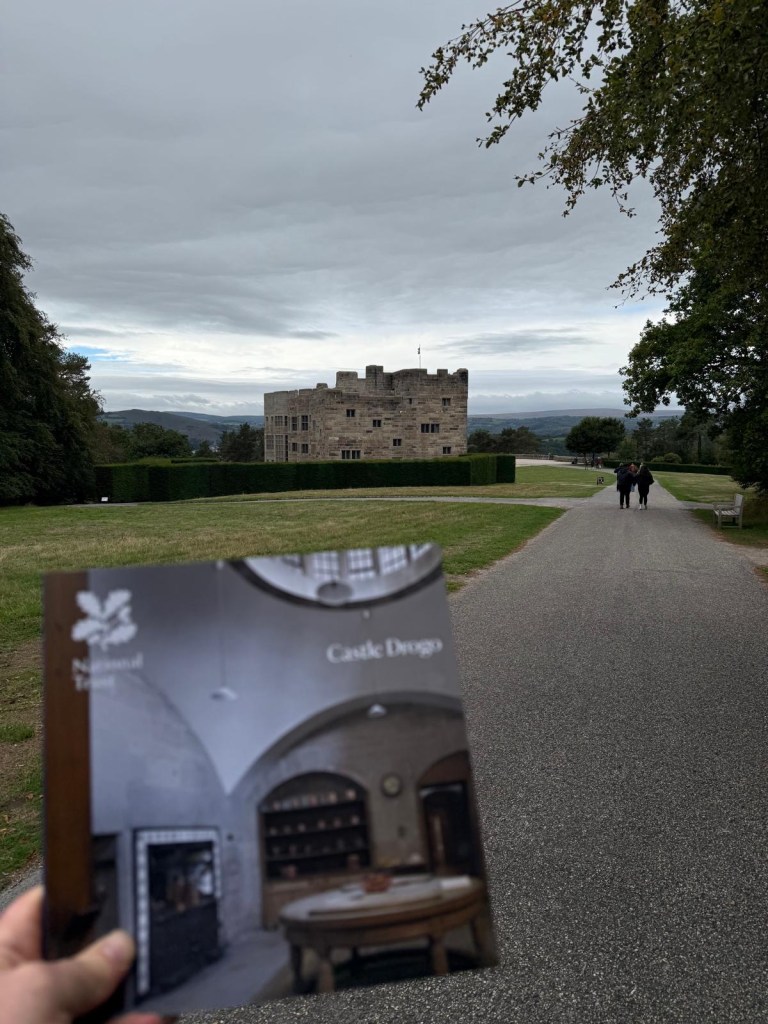
Once we’d had our caffeine fix, we continued towards Castle Drogo, a National Trust property on the edge of Dartmoor. Unlike many of the castles we usually visit, Castle Drogo is relatively modern, having been built during the twentieth century. Its imposing design certainly makes it look older, though, and it was an interesting contrast to the medieval ruins we’d be exploring over the following fortnight. Dogs aren’t permitted inside the castle itself, but there are dog-friendly outdoor areas, which is useful to know if you’re planning a visit with four-legged companions.
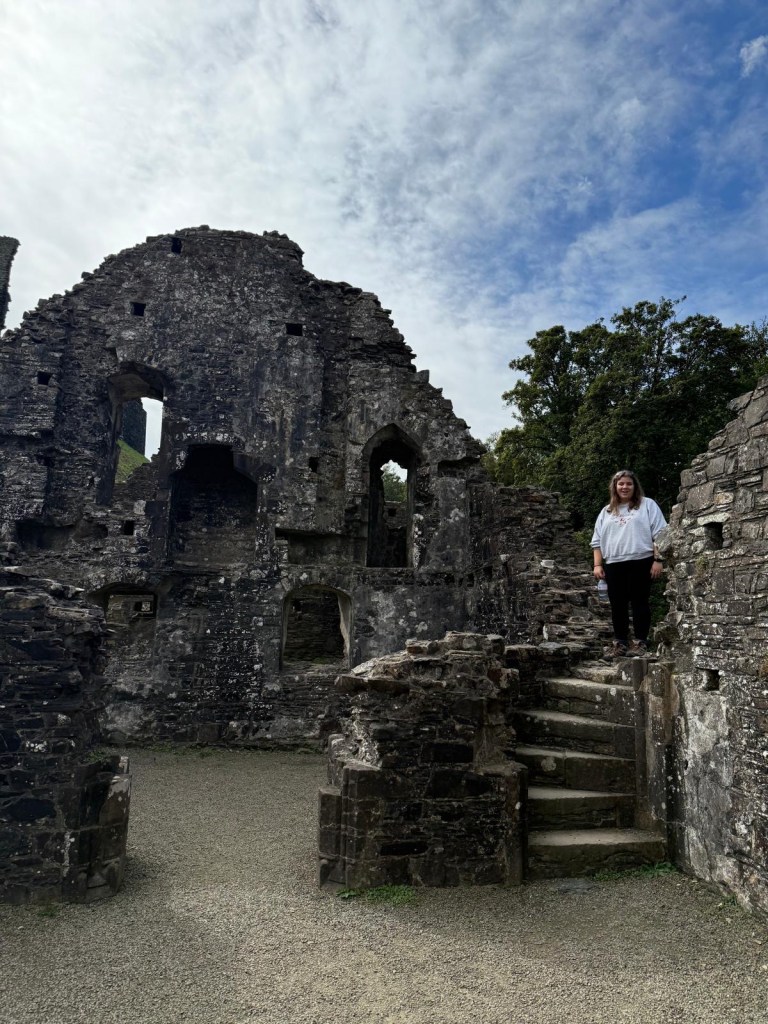
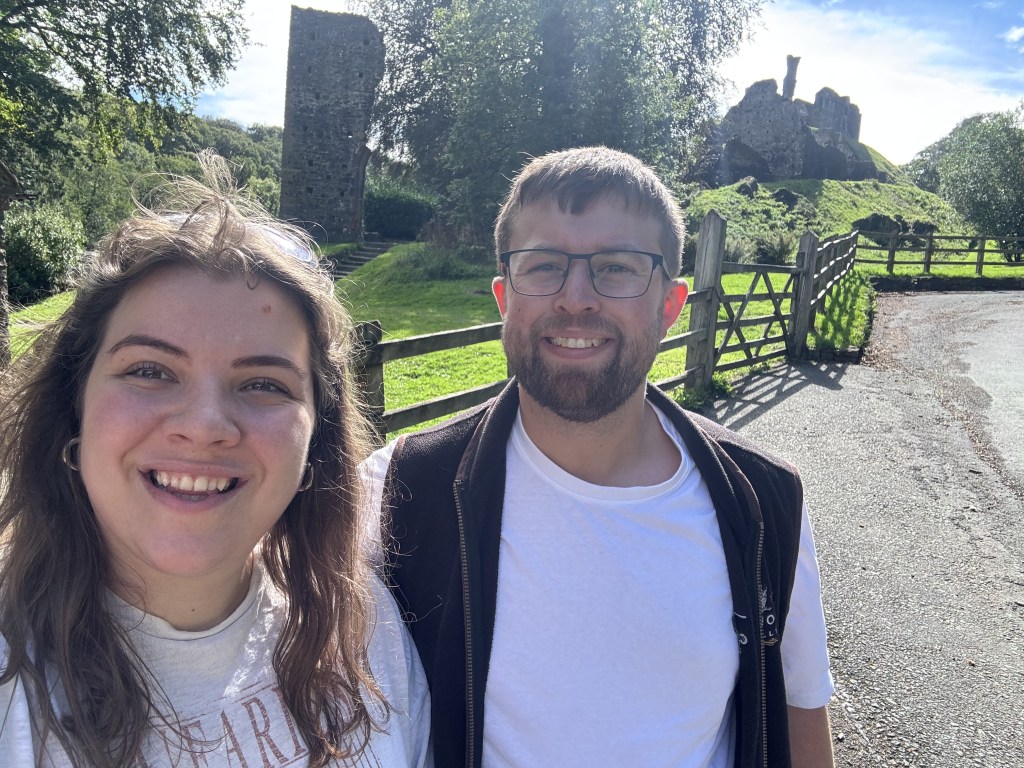
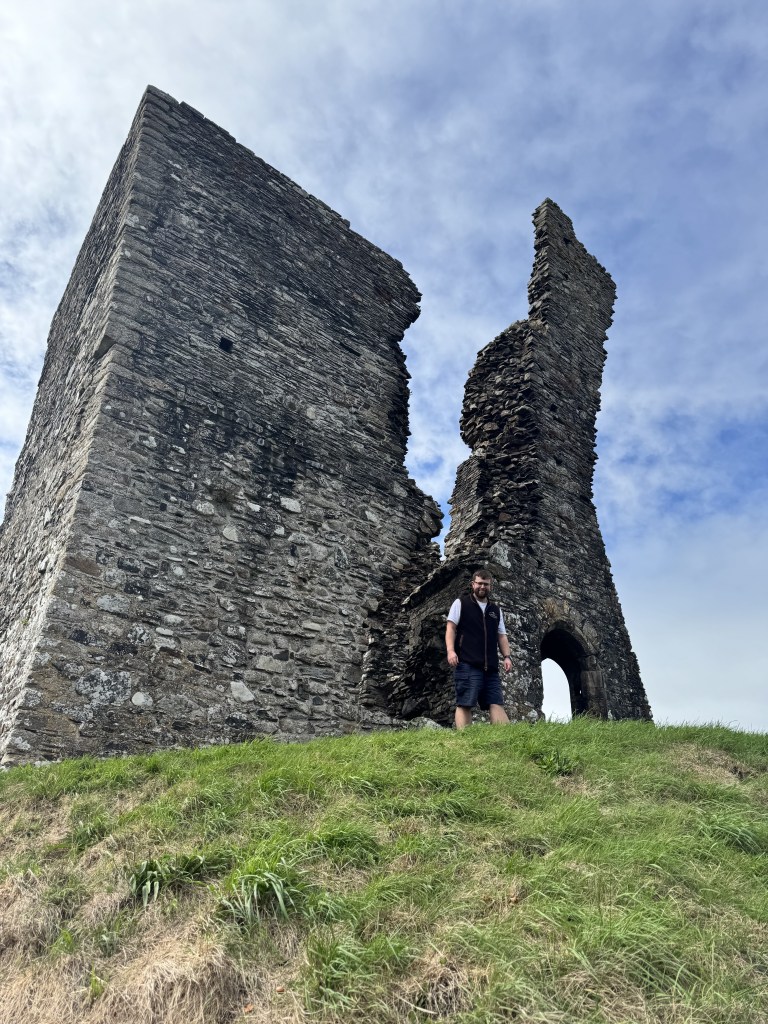
Our next stop was Okehampton Castle, an English Heritage site surrounded by beautiful countryside. The remains are wonderfully atmospheric, and there’s something rather special about exploring a ruined castle where the landscape has become such a big part of the experience. We spent some time wandering around before making the final stretch of our journey towards Launceston, which was only about twenty minutes away.
Before arriving at our accommodation, we found a nearby Tesco and stocked up on food and essentials for the week. Once we’d unpacked, we decided to head out for dinner at The Eagle House Hotel, which was conveniently where Mum and Dad would be staying when they joined us the following week.
The food was perfectly fine, although I wouldn’t necessarily describe it as one of our most memorable meals of the holiday. The view from the balcony, however, was absolutely incredible. Looking out across the surrounding countryside was a lovely introduction to Launceston and a rather nice way to end our first day.
Day 2: Falling in Love with Tintagel and Exploring Boscastle
Our first full day in Cornwall brought some fairly typical British weather, with plenty of wind and rain. Fortunately, we’d planned to visit Tintagel Castle, and if there’s anywhere that can still look spectacular in miserable weather, it’s Tintagel.
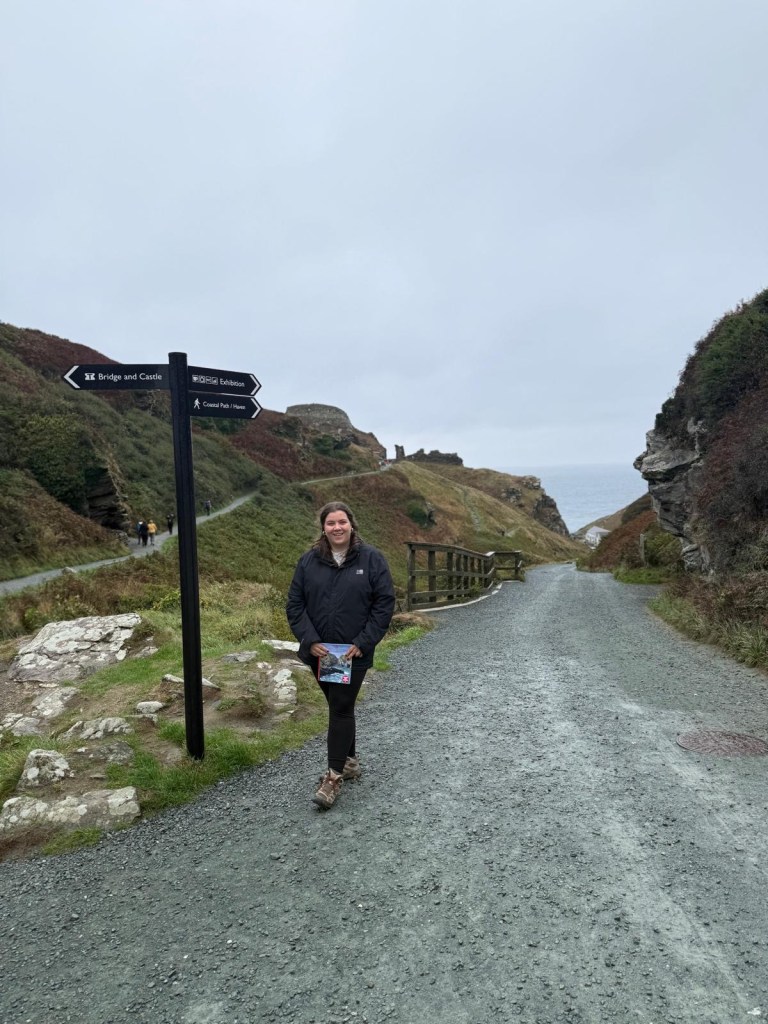
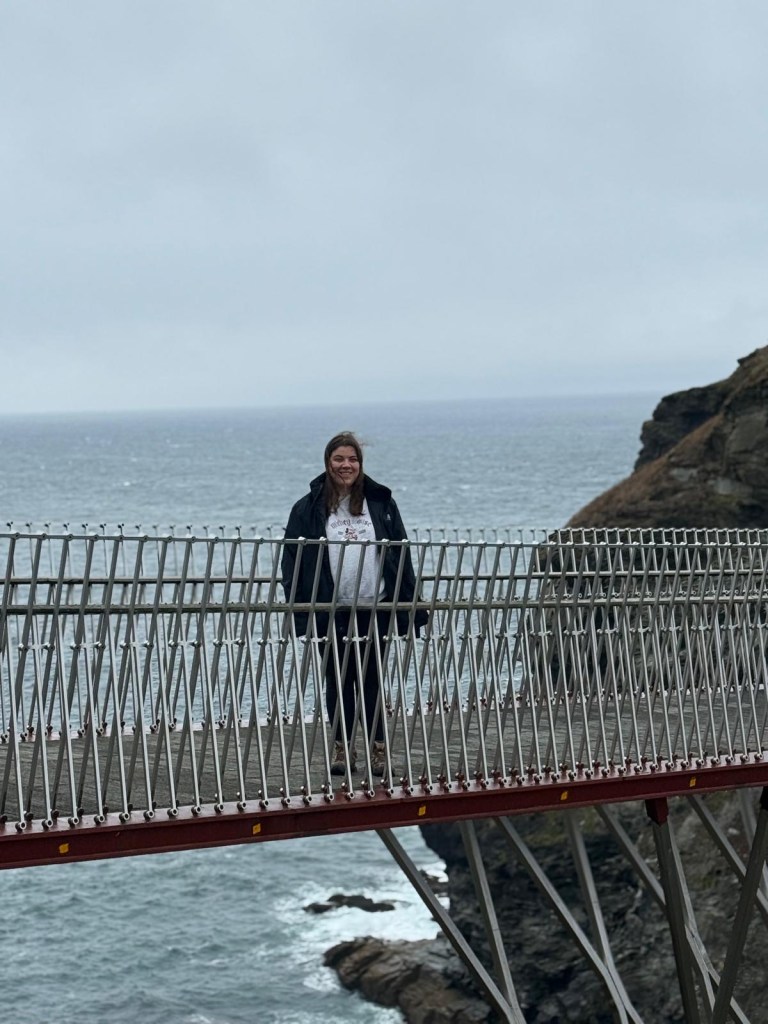
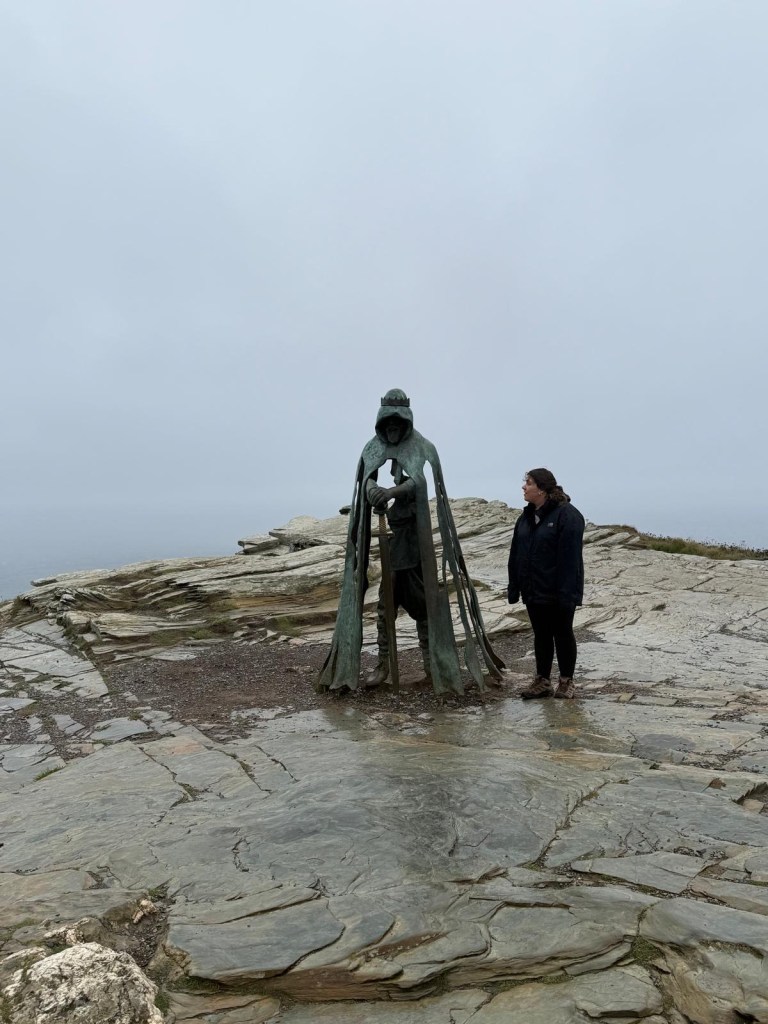
I wasn’t entirely sure what to expect before visiting. Unlike a traditional castle with grand rooms, towering walls and turrets, Tintagel is a collection of ruins scattered across a dramatic coastal landscape. Much of the appeal lies in the setting itself, with the remains of the castle overlooking the Atlantic Ocean and steep cliffs dropping away towards the water below. But within minutes of arriving, we were completely captivated.
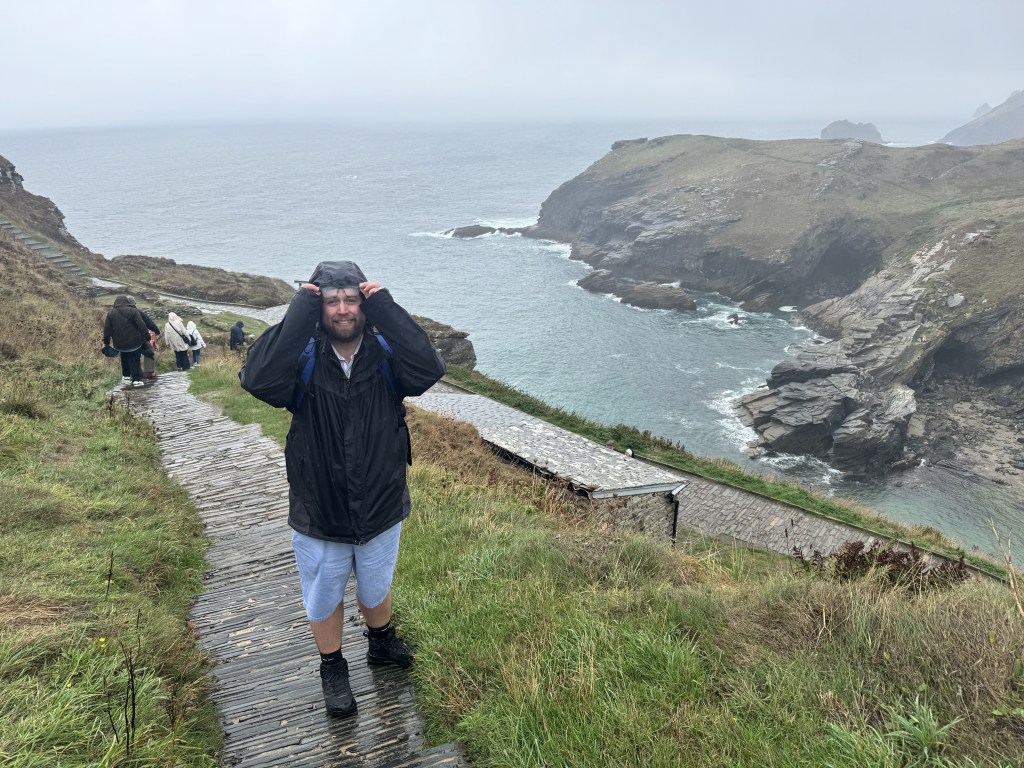
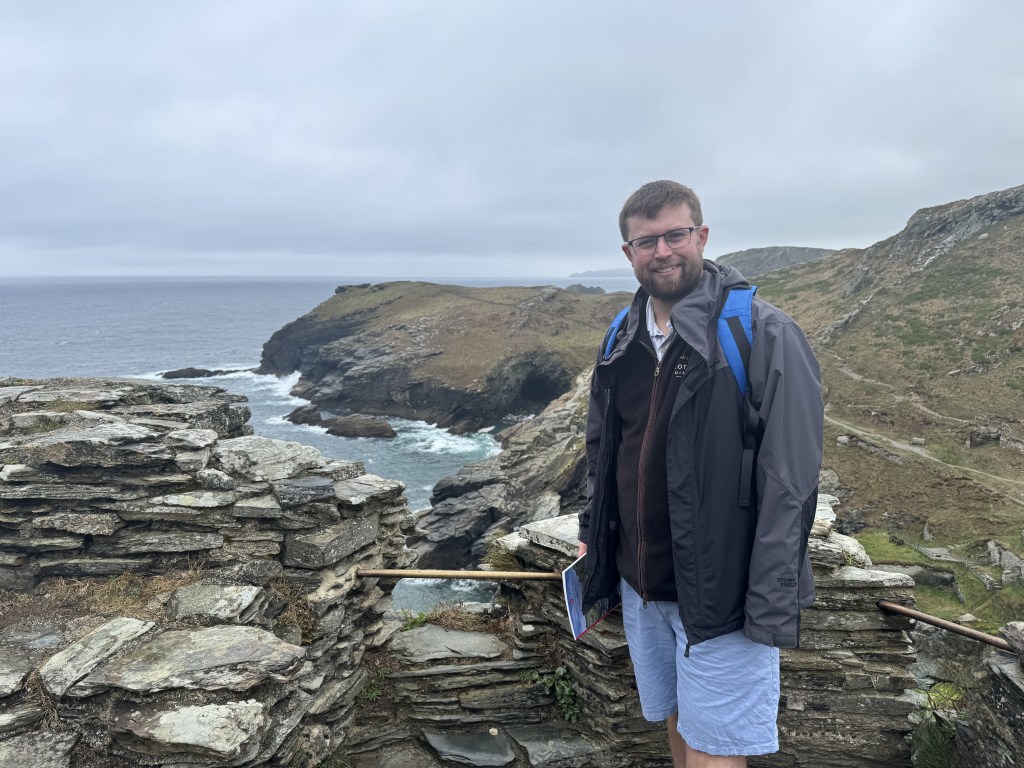
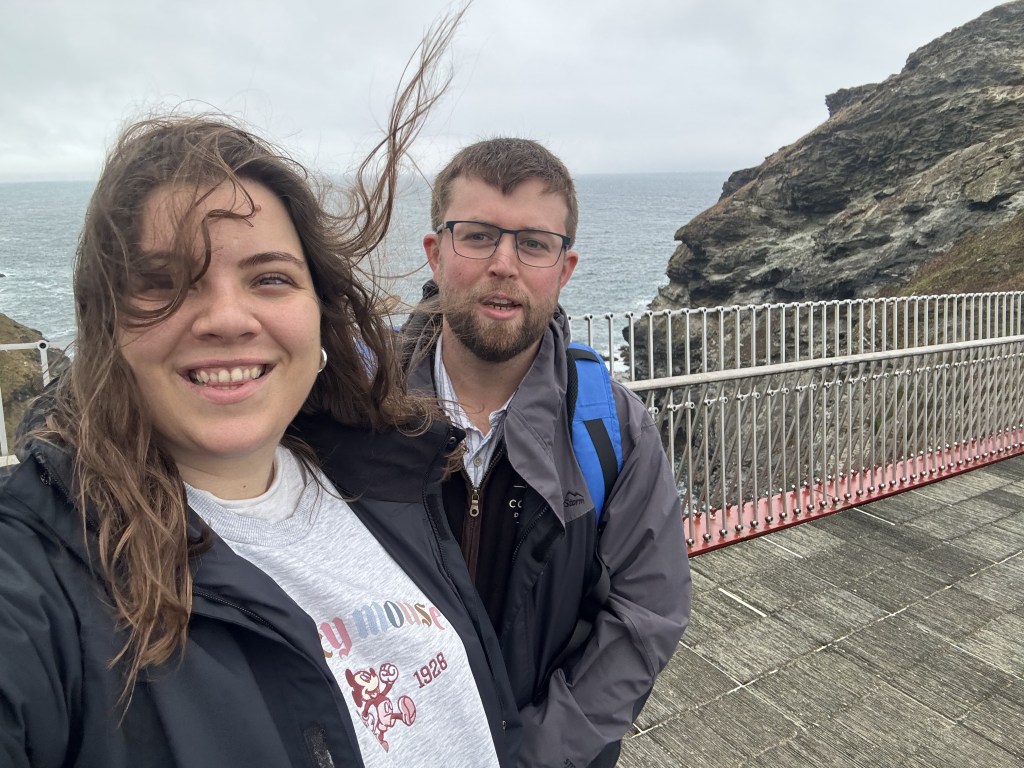
There’s something incredibly atmospheric about Tintagel, particularly when the wind is blowing and the sea is crashing against the cliffs. Perhaps it’s the combination of history, Arthurian legends and the natural landscape, but it genuinely feels different from anywhere else we’ve visited. Despite the weather, we loved exploring the ruins, taking in the views and imagining what the site must have looked like centuries ago.
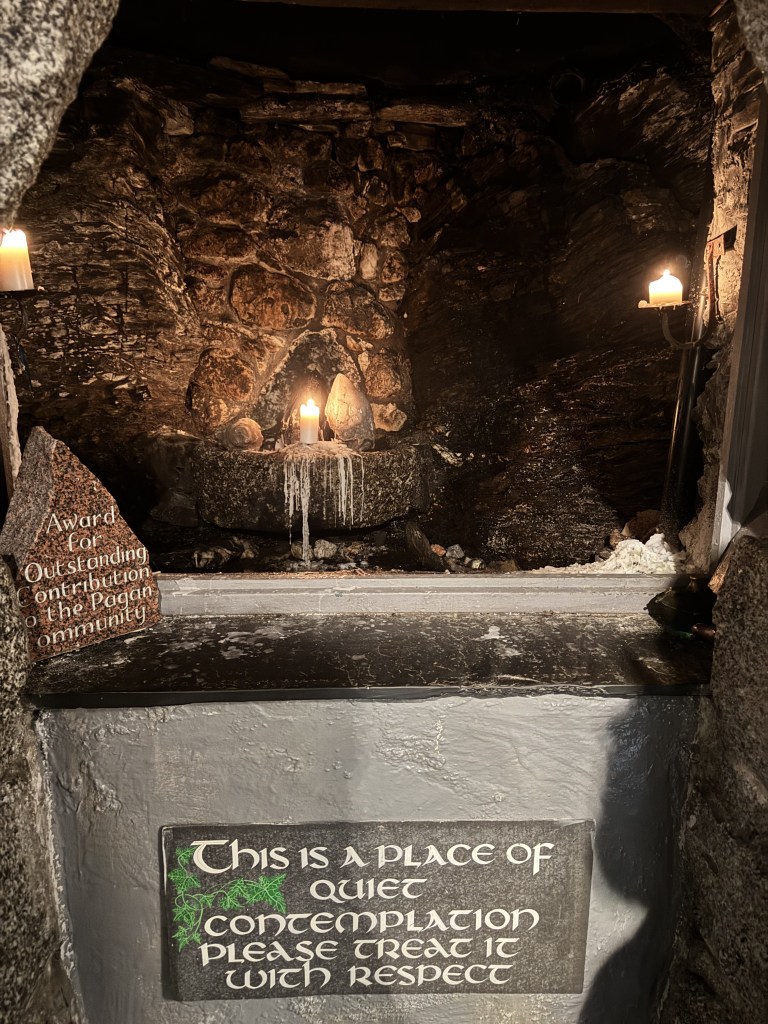
We also managed to time our visit perfectly to explore Merlin’s Cave, which is accessible from the beach when tidal conditions allow. While we were there, we came across a group of people who appeared to be taking part in some sort of spiritual or religious ceremony. We weren’t entirely sure what was happening, but it was quite fascinating to see and certainly added another unusual element to the visit.
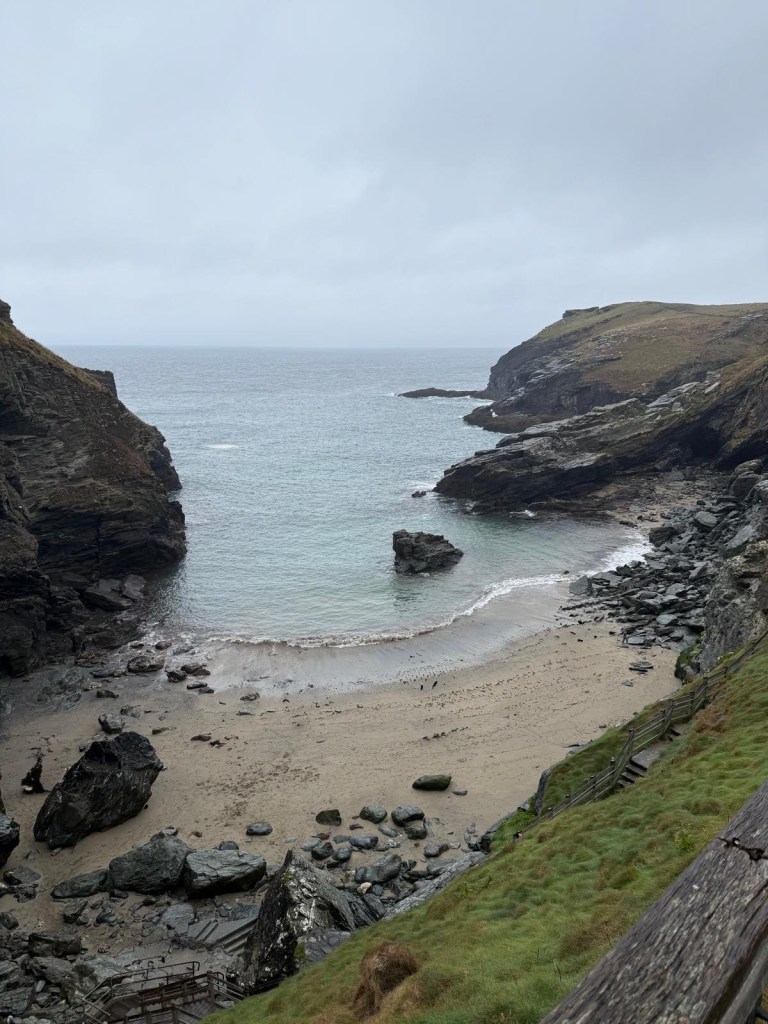
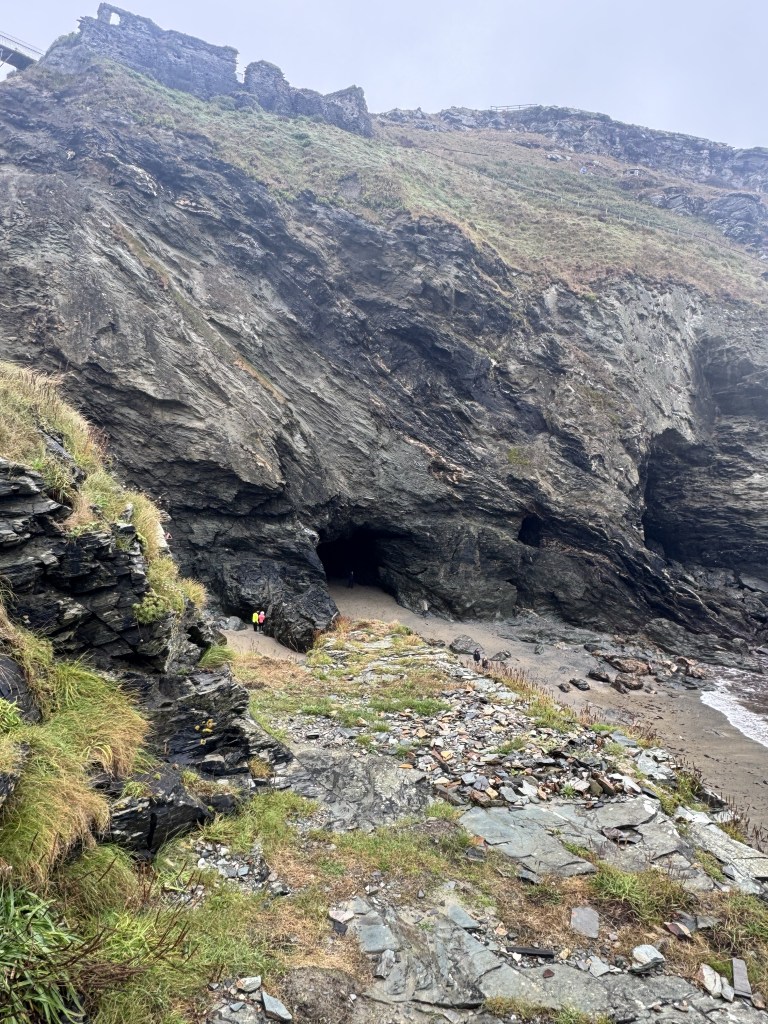
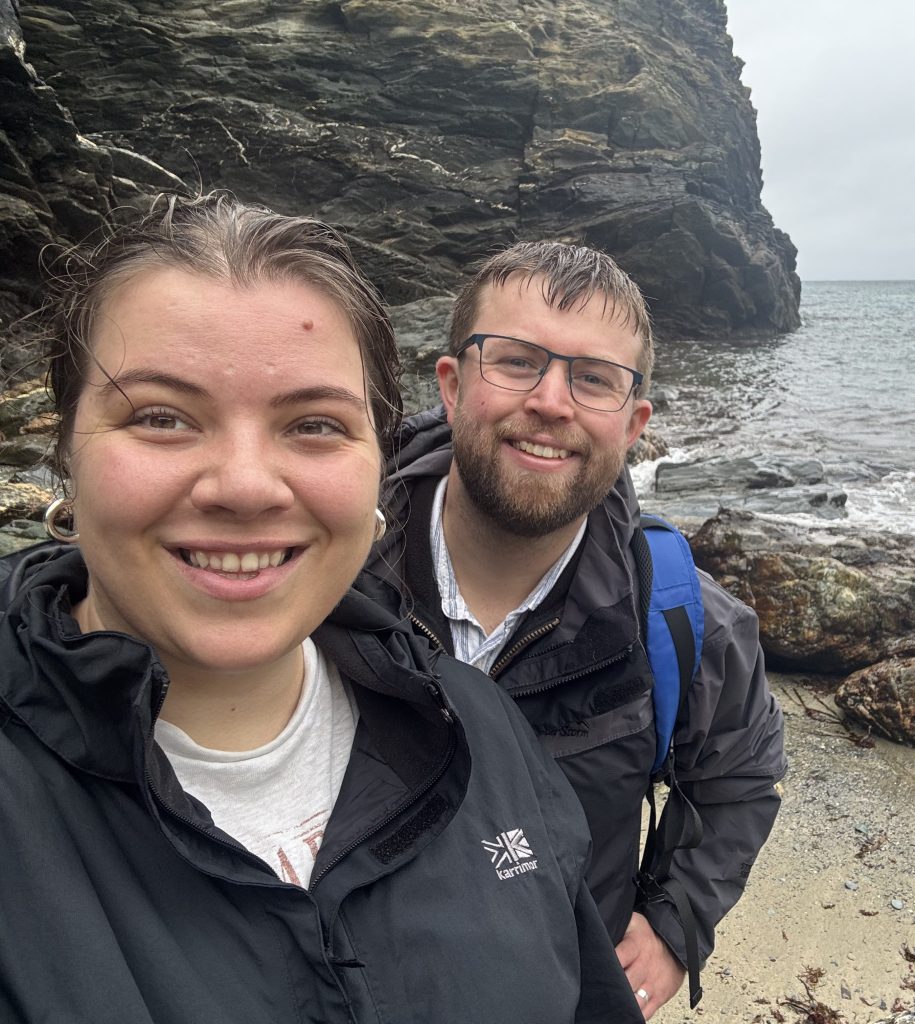
What wasn’t quite so magical was the walk back up from the beach. My goodness, it’s steep! If you’re planning to explore Merlin’s Cave, I’d definitely recommend wearing sensible footwear and preparing yourself for the climb afterwards. It’s absolutely worth doing, but I don’t think my legs were particularly impressed.
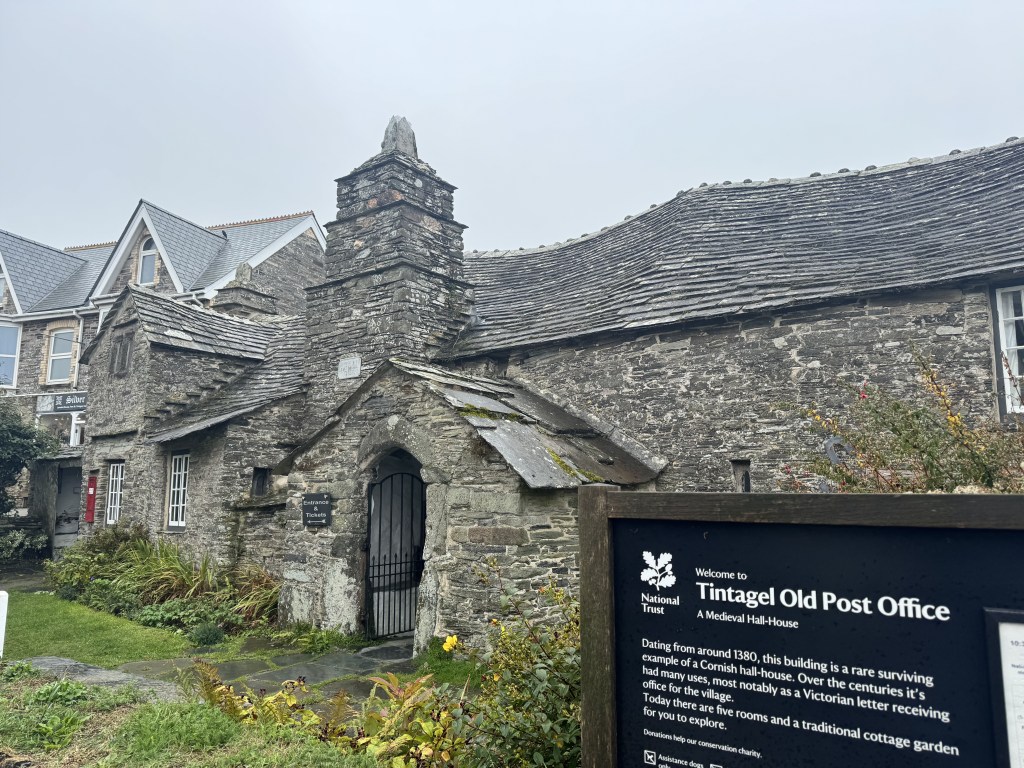
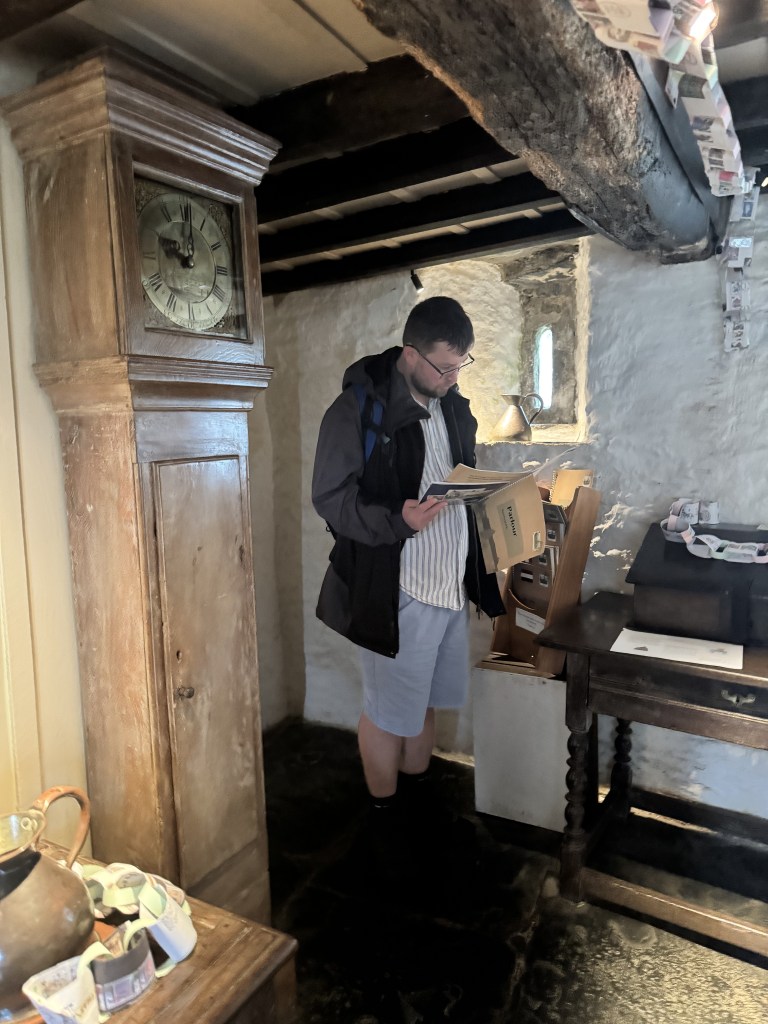
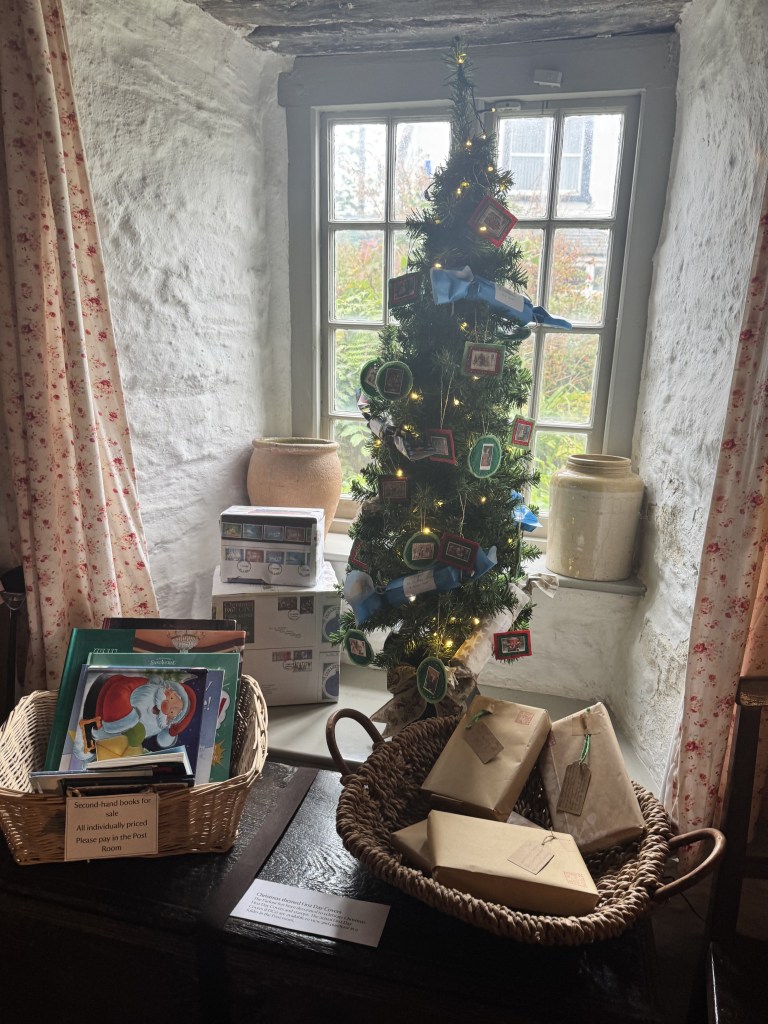
After Tintagel, we visited Tintagel Old Post Office, a charming medieval building managed by the National Trust. It’s a lovely little property with plenty of character, although it’s not somewhere you’d necessarily spend a huge amount of time. I was particularly glad we had our National Trust membership, as I’m not sure I would have felt quite the same about paying separately for such a short visit. One room, however, was an instant favourite of mine because it’s decorated for Christmas throughout the year. Naturally, I was delighted!
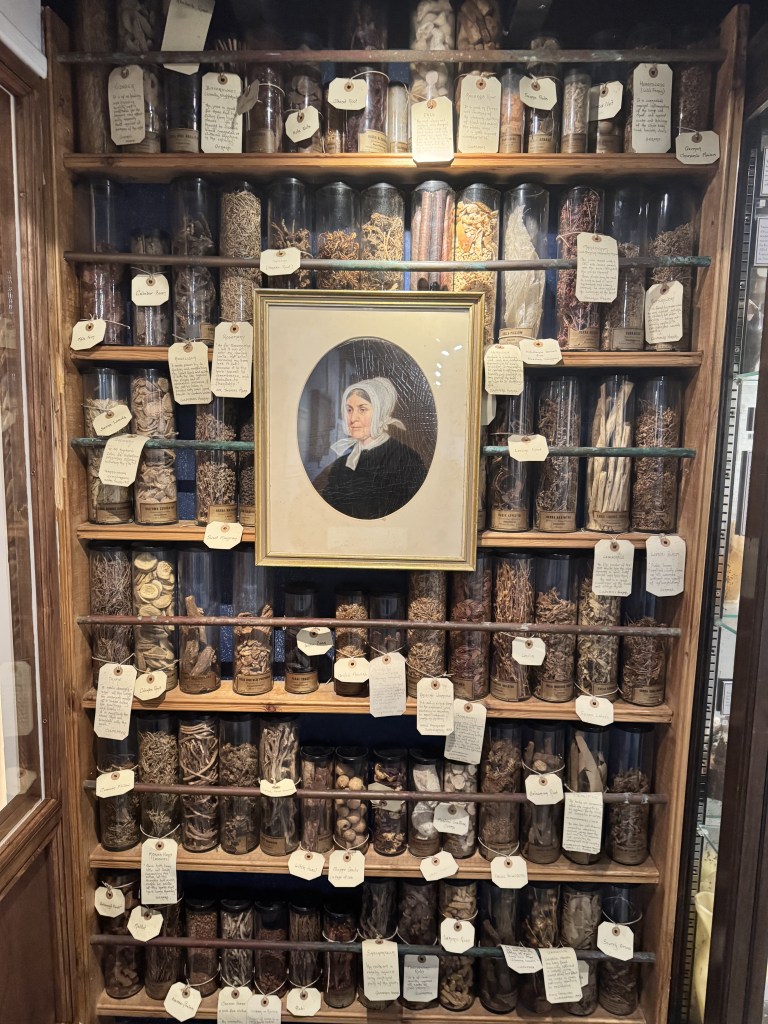
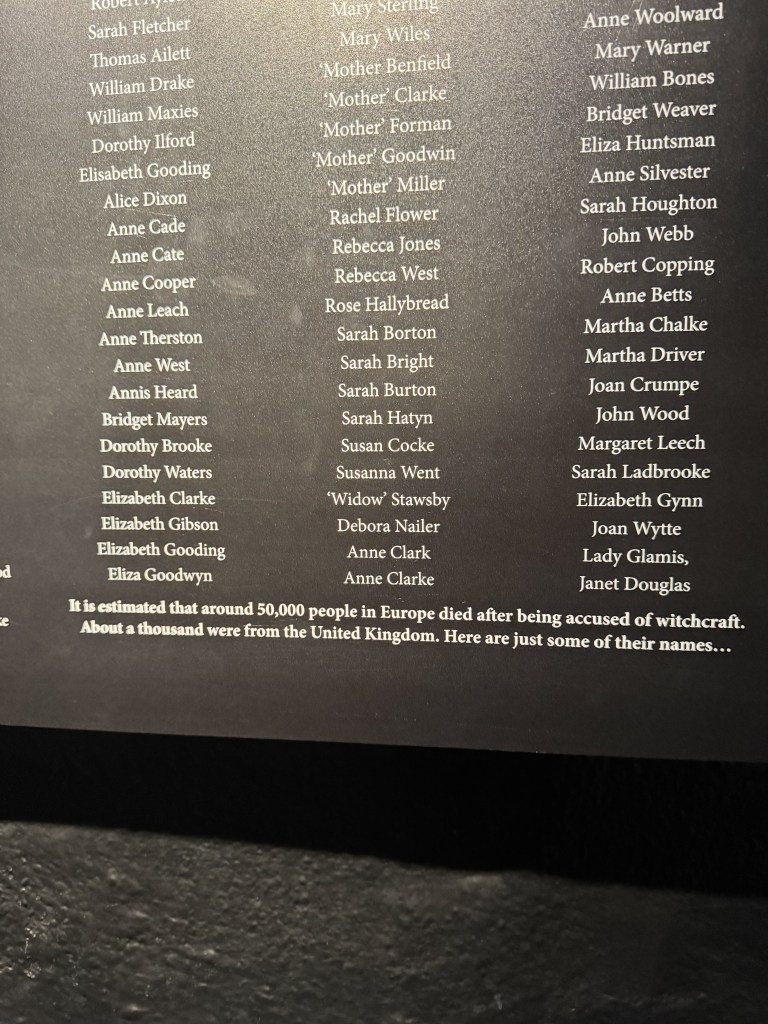
From there, we continued to Boscastle, a picturesque harbour village that was considerably busier than we’d expected. We visited the Museum of Witchcraft and Magic, which was certainly something a little different from our usual historic attractions. The museum has an intriguing collection, and the village itself is lovely to wander around, although I don’t think we’d necessarily spend a whole day there unless we were planning a longer coastal walk.
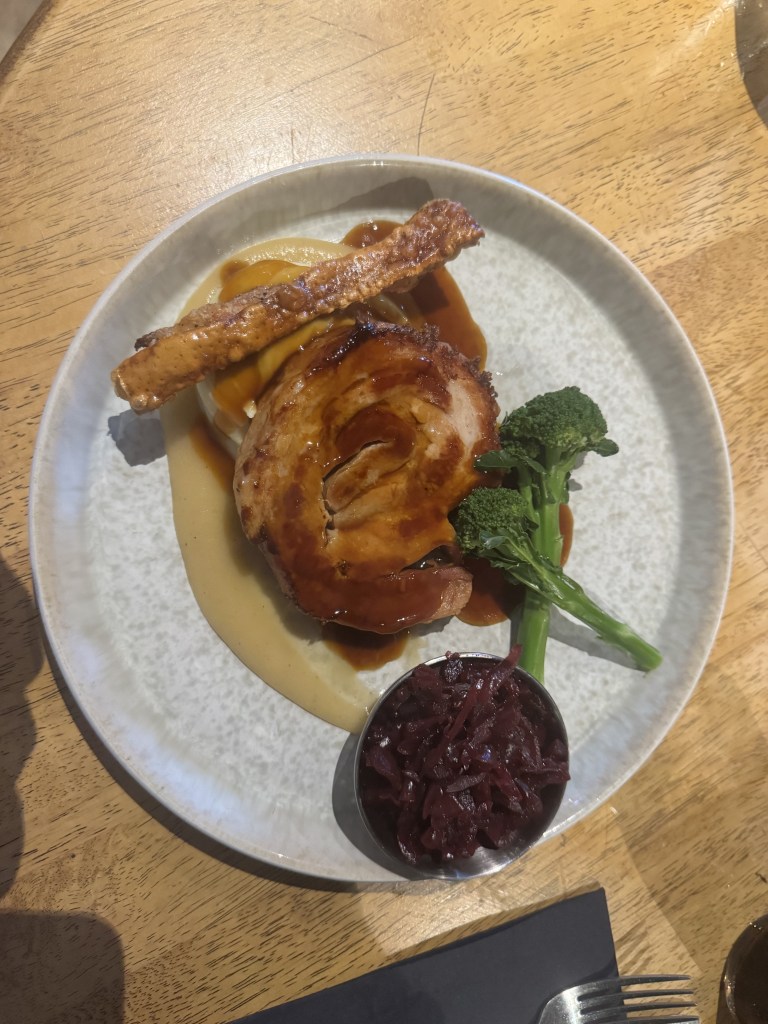
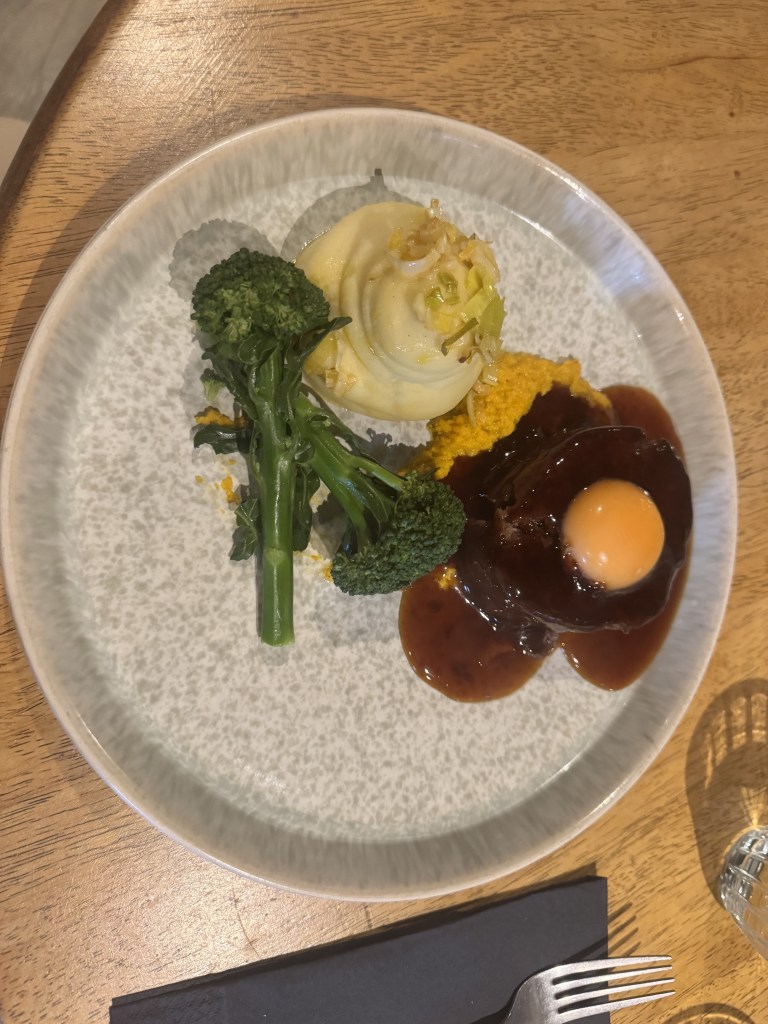
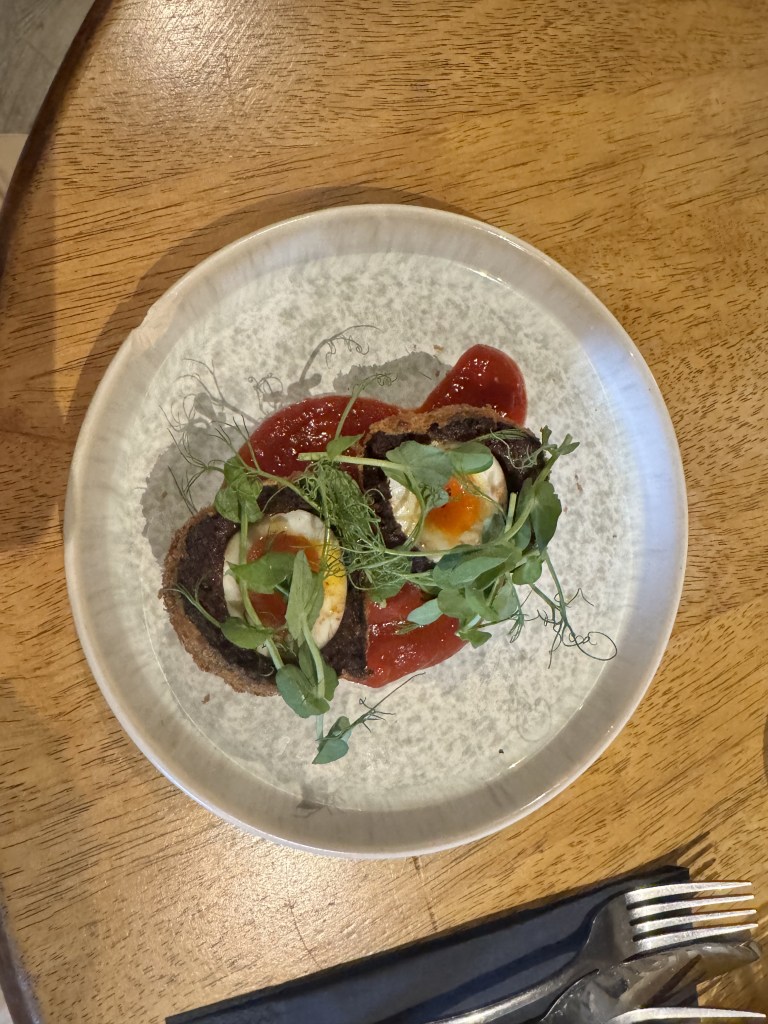
That evening, we headed to The Springer Spaniel for dinner. I started with Marmite prawns, which were absolutely delicious, while Luke opted for a Scotch egg. For our main courses, we enjoyed pork and beef brisket. The food was very good, although the restaurant itself was a little chilly and the car park was rather small.
We actually considered returning the following week with Mum, Dad and the dogs, but when we called to book, we were advised that it would probably be too busy for Eddie, who’s nervous around unfamiliar people. We’d spotted a corner table during our visit that we thought might work well, but the restaurant wasn’t comfortable with the arrangement. Eddie is generally perfectly happy if he’s given his own space and nobody tries to stare at him or stroke him. Unfortunately, not everyone appreciates that some dogs would rather be left alone!
Day 3: Trerice, Fistral Beach and a Birthday Spa Experience
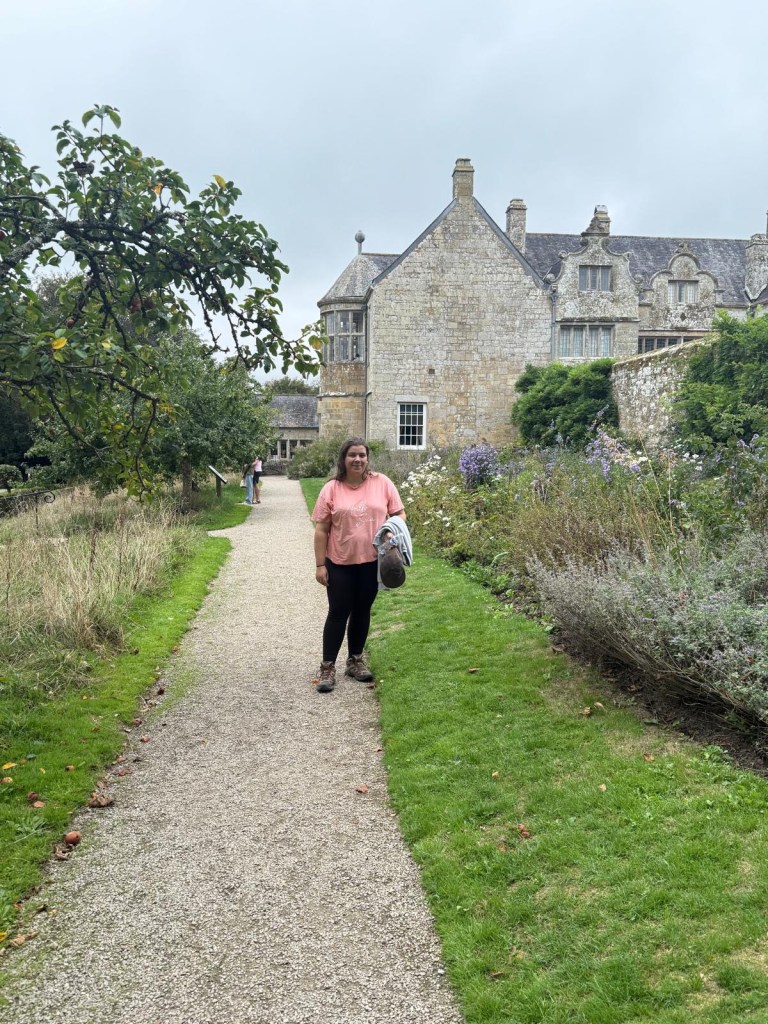
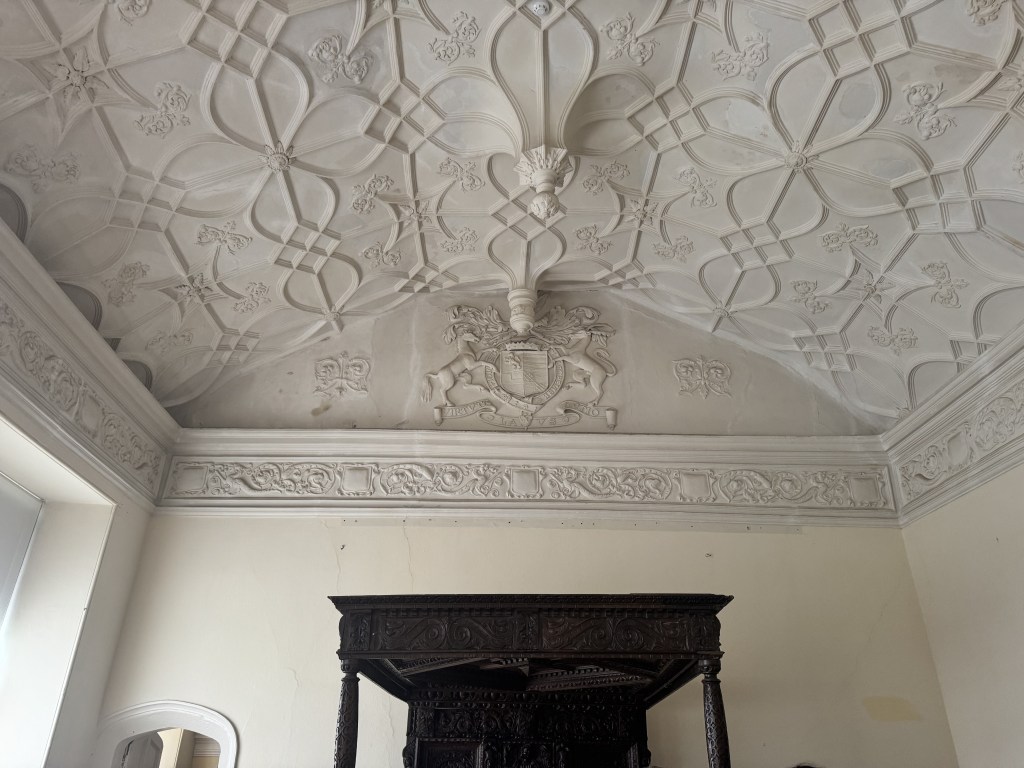
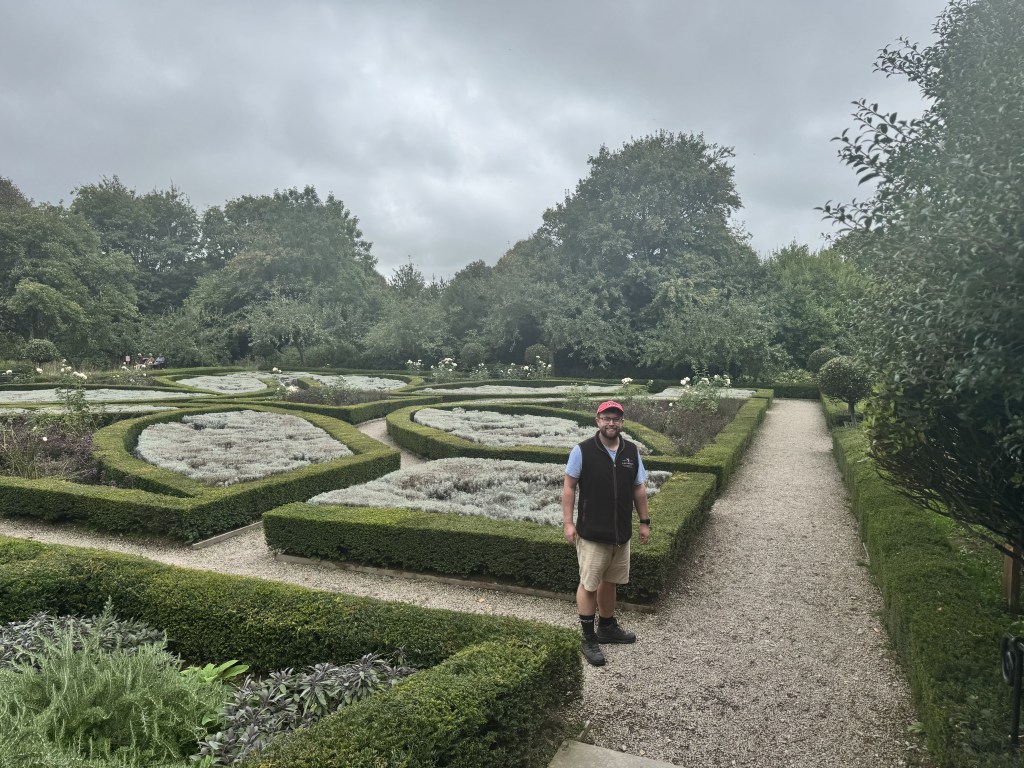
We started our third day with a visit to Trerice, a beautiful Elizabethan manor house managed by the National Trust. After spending the previous day exploring Tintagel’s windswept ruins, it was lovely to experience a completely different period of history. Trerice has a wonderful sense of character, and we enjoyed taking our time looking around before heading towards the coast.
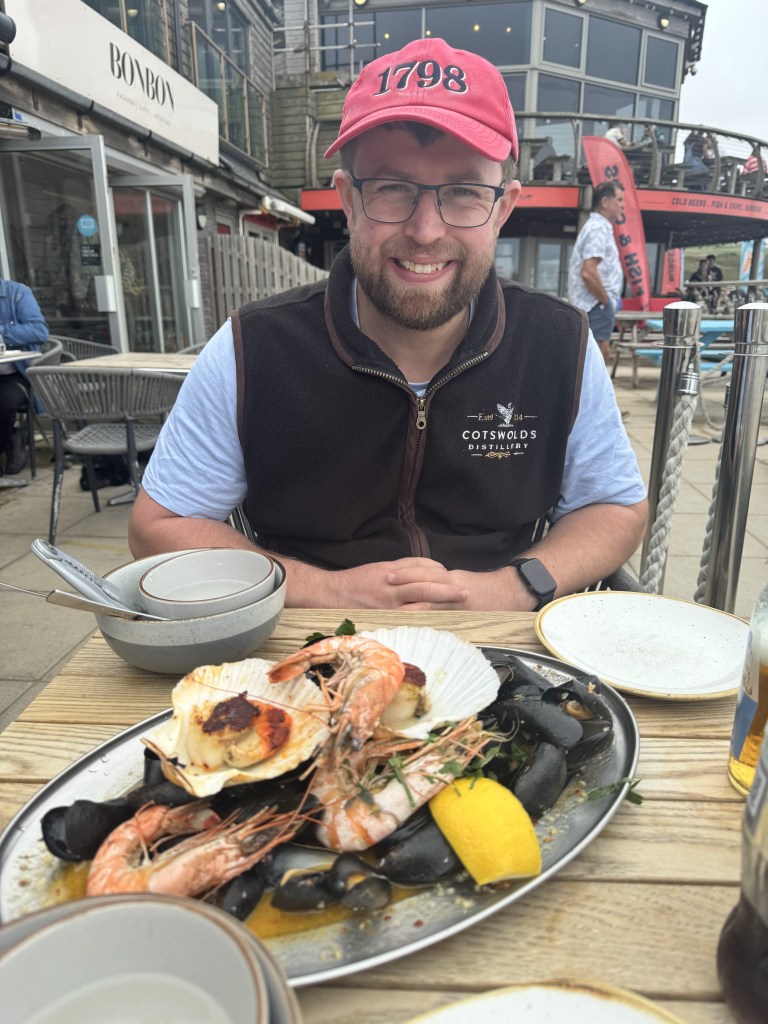
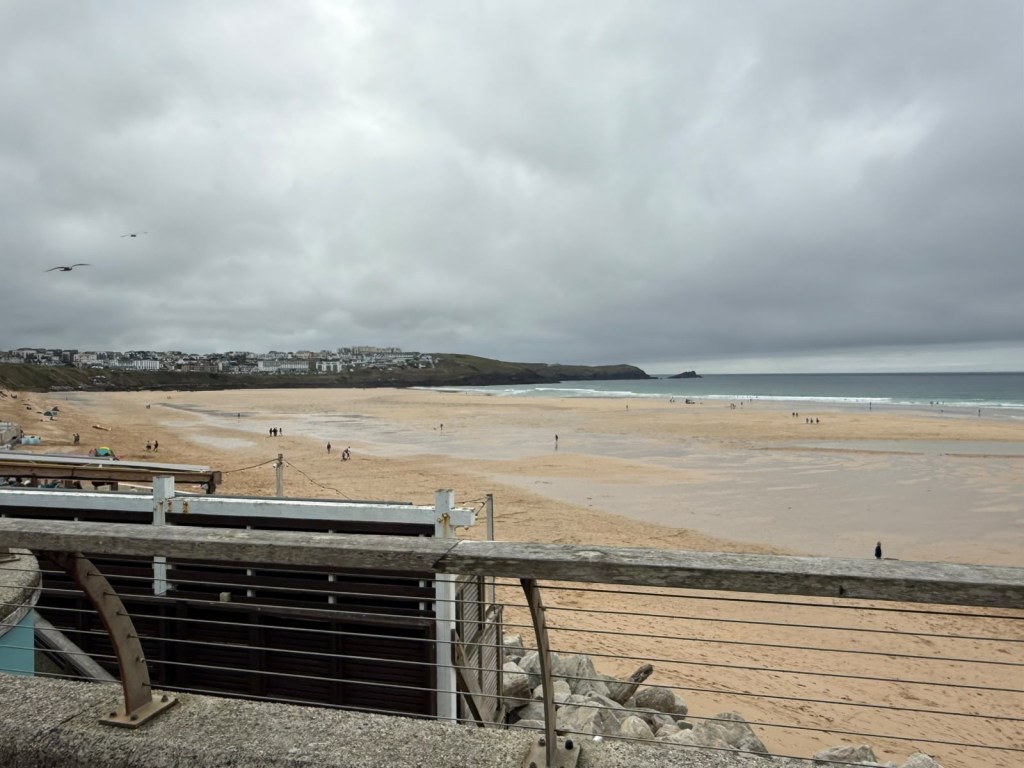
Our next destination was Fistral Beach in Newquay, where we had several hours to spare before an evening Luke had arranged as a birthday treat. We decided to start with lunch at The Fish House, and the seafood was fantastic. Given how much seafood we ended up eating during the holiday, this was a pretty good indication of what was to come!
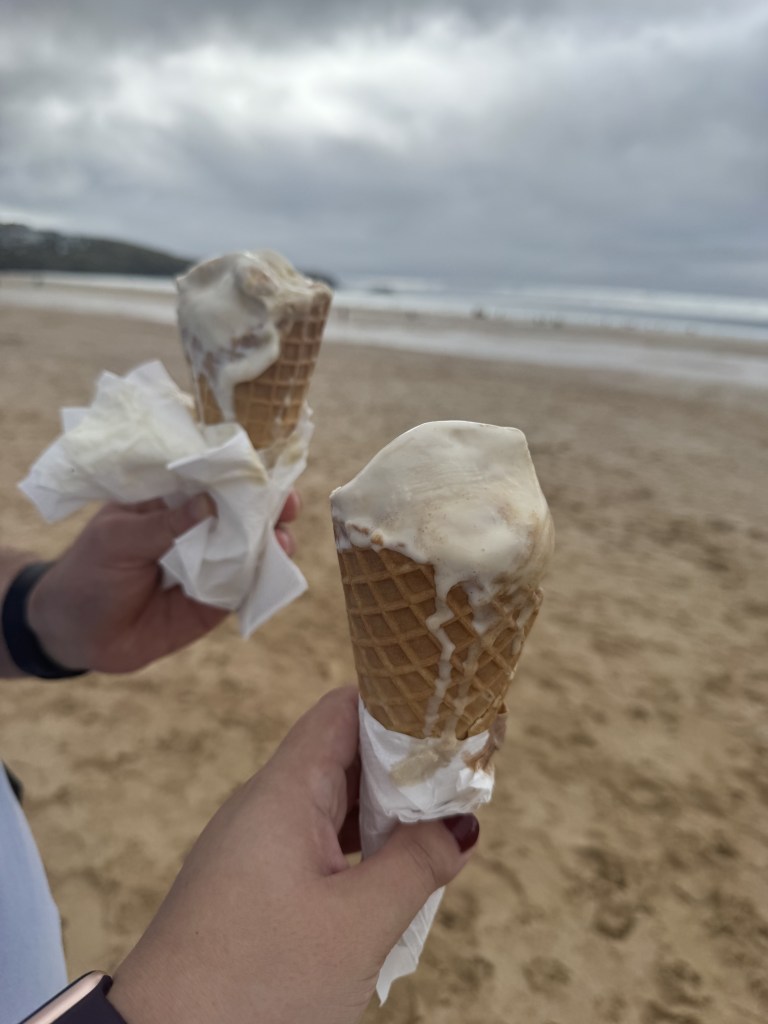
Afterwards, I decided that an ice cream would be a good idea, although I was slightly disappointed by the flavours on offer. Sometimes, all I want is a simple chocolate ice cream. Not rocky road, chocolate fudge, or something with twenty different ingredients mixed into it. Just chocolate. Apparently, that’s too much to ask these days! I settled for something else, only to have a seagull attempt to steal it. Fortunately, I managed to keep hold of my ice cream, which I considered a small victory.
We spent some time relaxing on the beach, enjoying the views and watching the surfers, before heading to Fistral Spa for our twilight spa experience. Luke had booked the spa and dinner as a birthday treat, so we were both looking forward to a relaxing evening after a few busy days of exploring.
Unfortunately, the spa itself was probably our biggest disappointment of the holiday. Rather than the peaceful experience we’d imagined, the facilities felt fairly cramped, with a swimming pool, sauna, steam room and hot tub. There was also a relaxation room upstairs, but reaching it involved walking up several flights of stairs in your robe. If you wanted a drink, you then had to return downstairs to the bar, where you found yourself mingling with other hotel guests, still in your robe. It all felt a little awkward and not particularly relaxing.
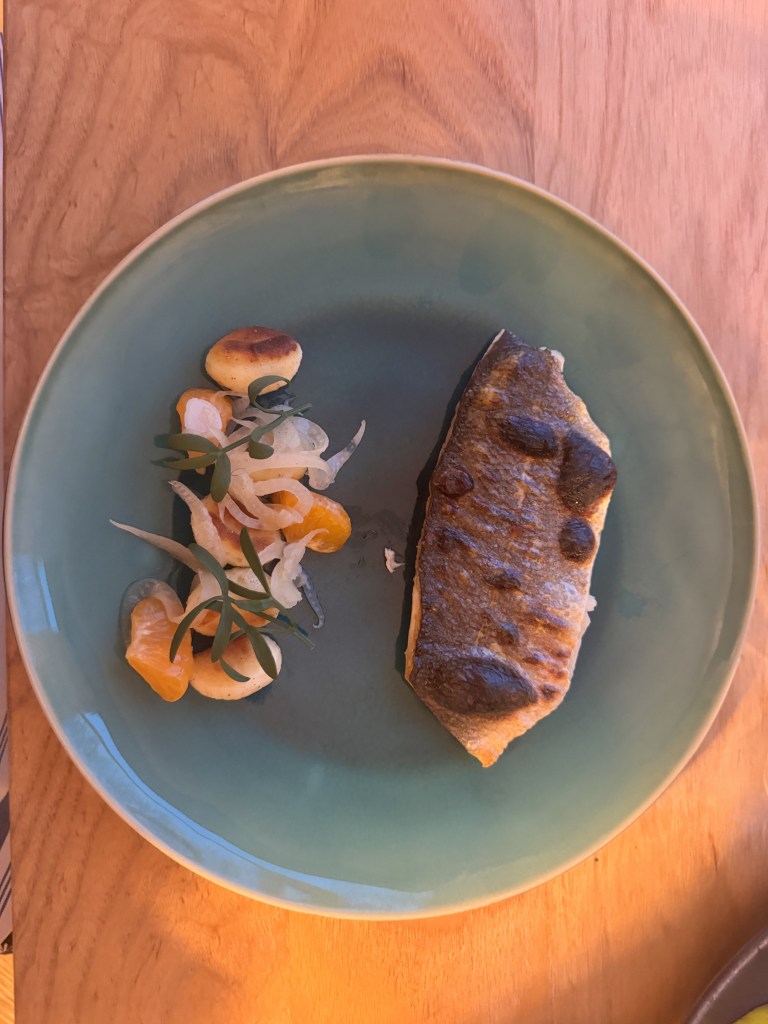
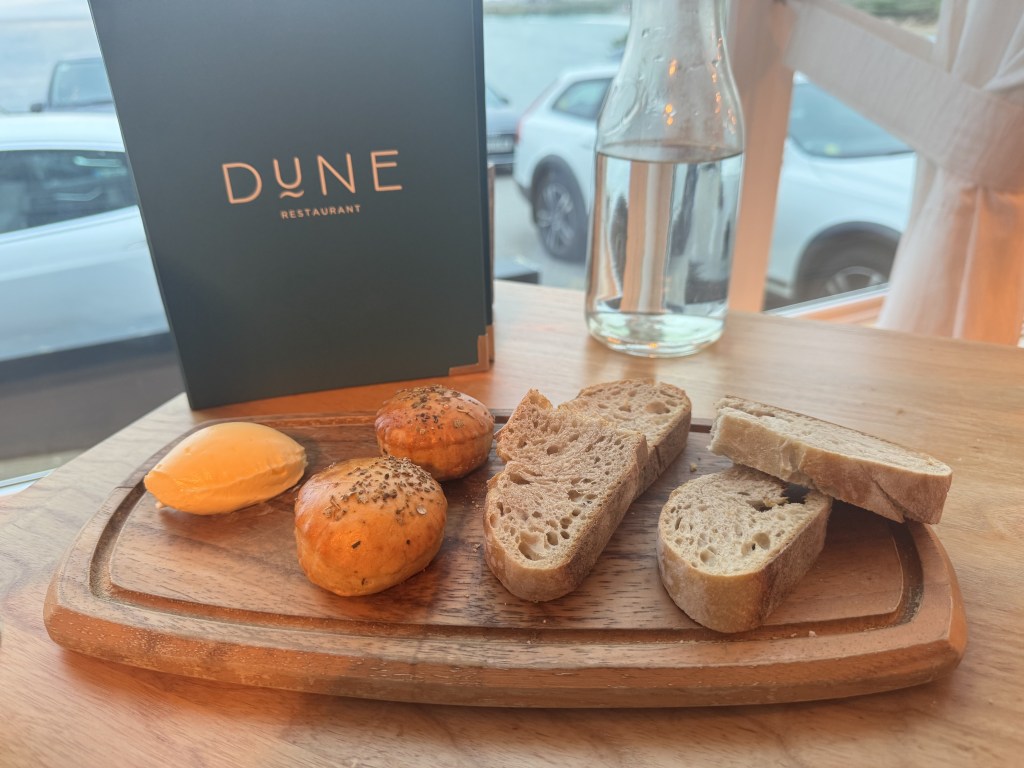
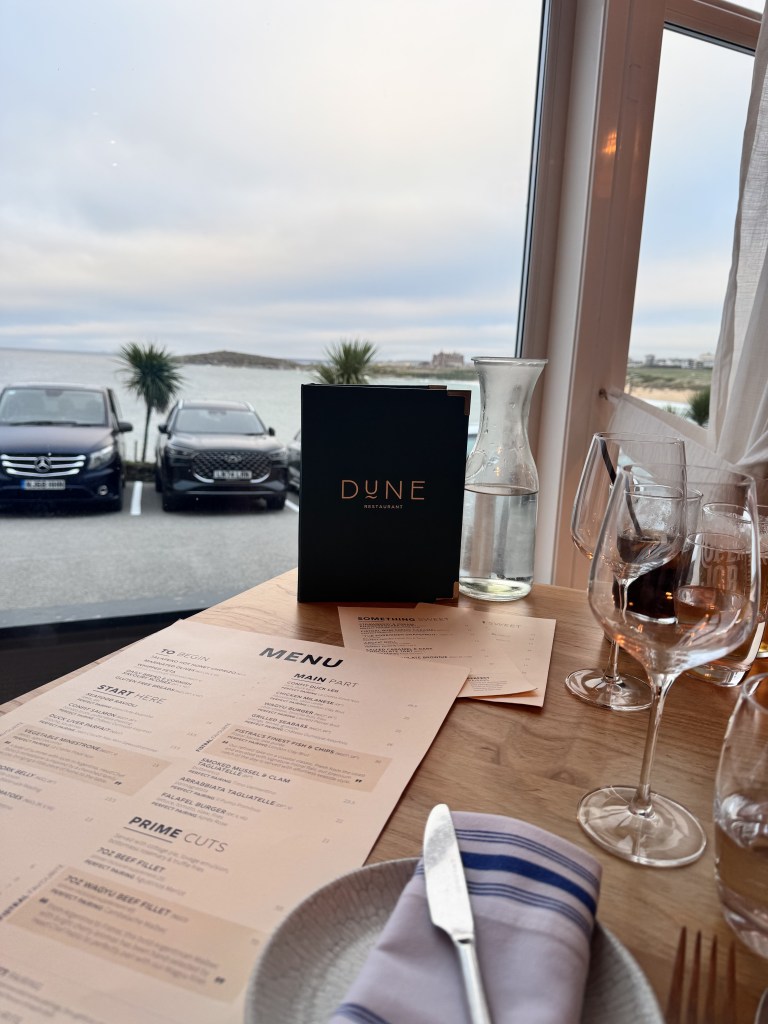
After about an hour and a half, we’d had enough and decided to head to the bar for a drink before dinner. Thankfully, this is where the evening took a considerable turn for the better. The cocktails were absolutely delicious, and the food was incredible. Dinner genuinely saved the experience, and we ended up having a lovely evening despite the underwhelming spa facilities.
Would we return for another spa experience? Probably not. But I’d happily go back for the food and cocktails!
Day 4: Prehistoric Cornwall, Land’s End and St Michael’s Mount
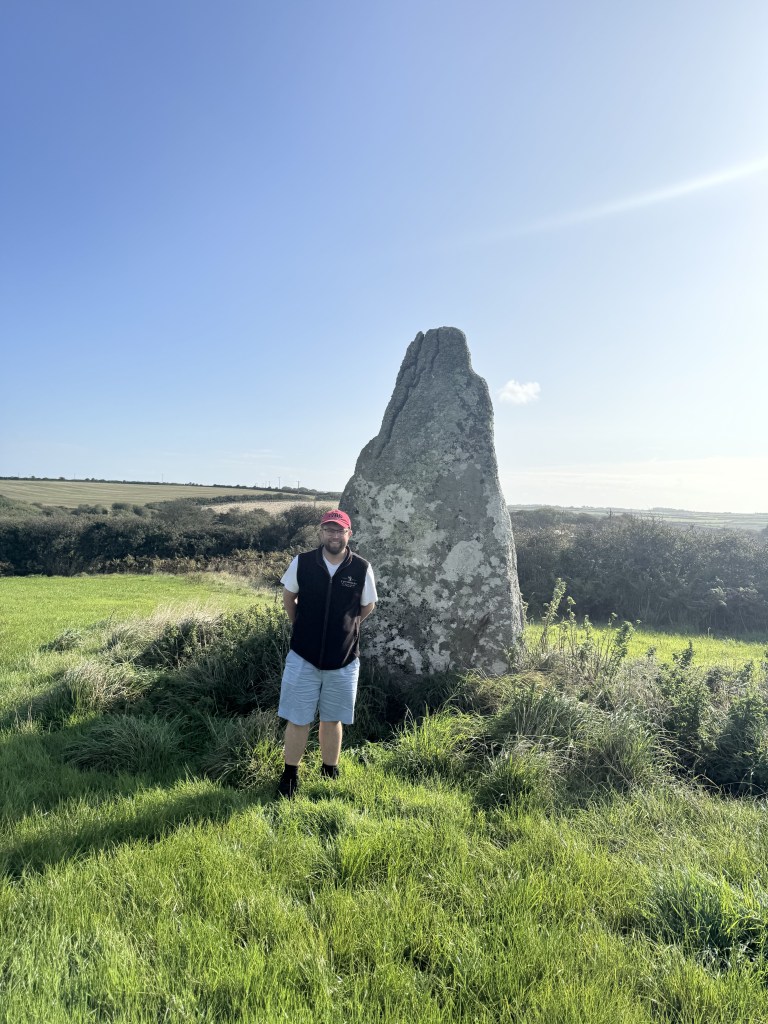
Our fourth day was another ambitious one, with plans to explore the far west of Cornwall. We were driving towards Land’s End when we spotted something rather unusual in a field: a huge standing stone. There was a convenient place to pull over, so naturally, we decided to investigate rather than drive past.
The stone turned out to be The Blind Fiddler, an impressive prehistoric monument associated with local folklore. Cornwall is full of ancient sites like this, and I love that you can sometimes stumble across something with thousands of years of history simply by taking a slightly different route or keeping an eye on the landscape.
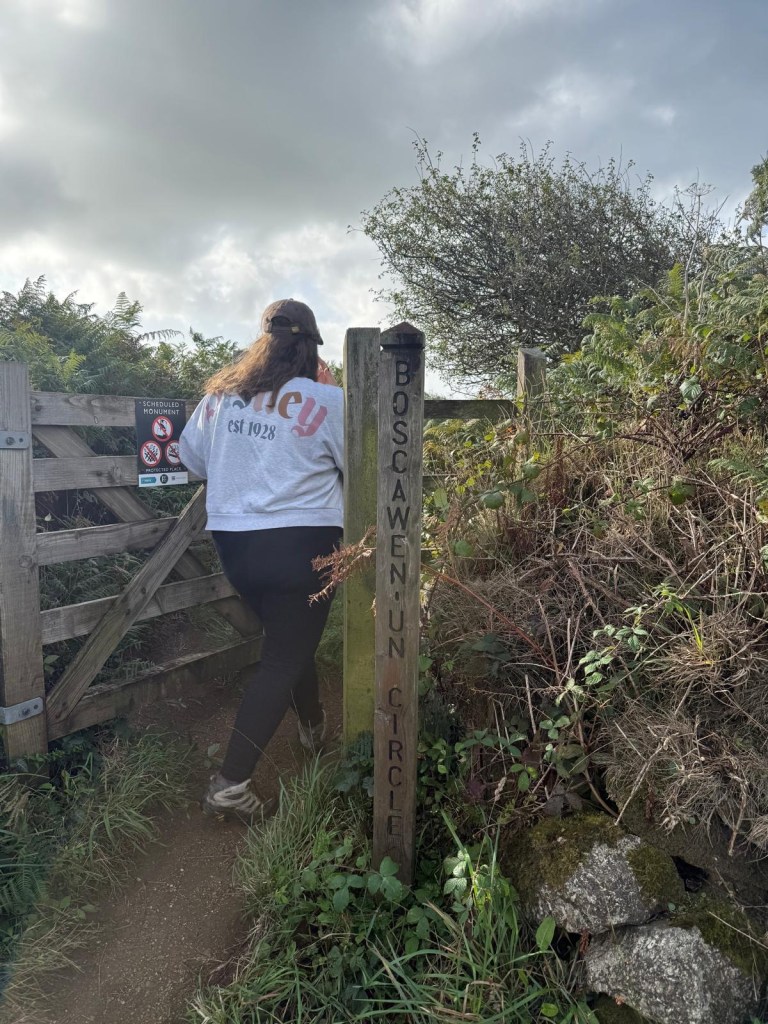
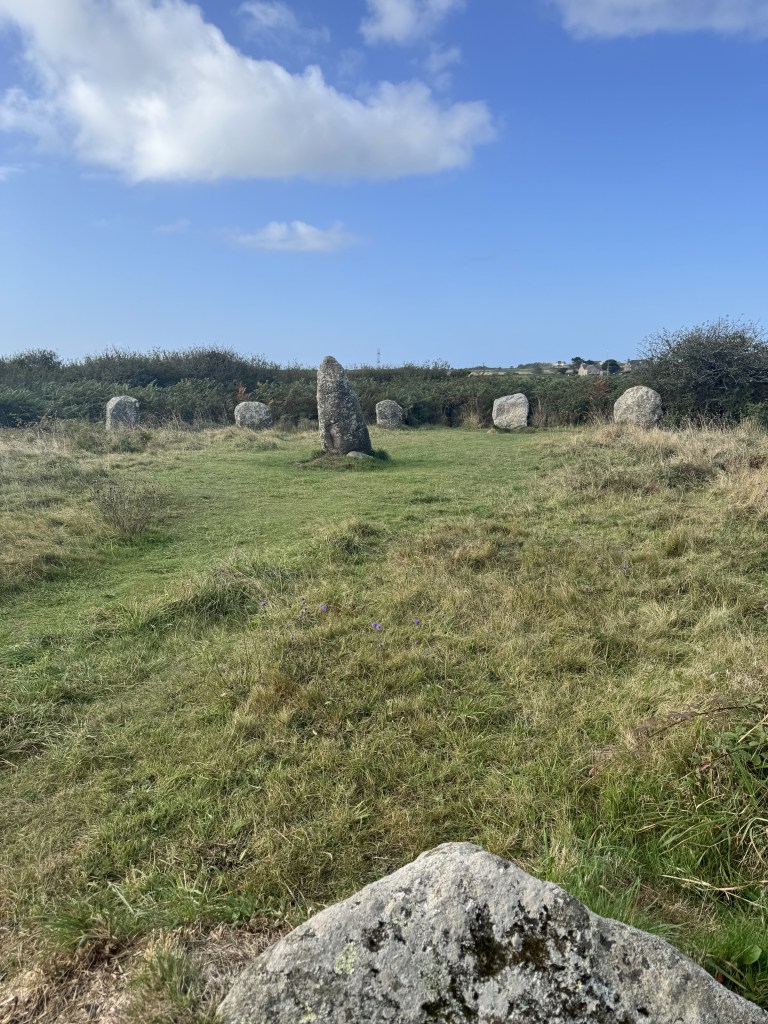
We continued to Boscawen-ûn Stone Circle, which involved a walk of around ten minutes from the road. The setting was wonderfully peaceful, and it was fascinating to explore another of Cornwall’s prehistoric monuments. There’s something quite special about standing among stones that have occupied the landscape for thousands of years, particularly when you’re surrounded by open countryside.
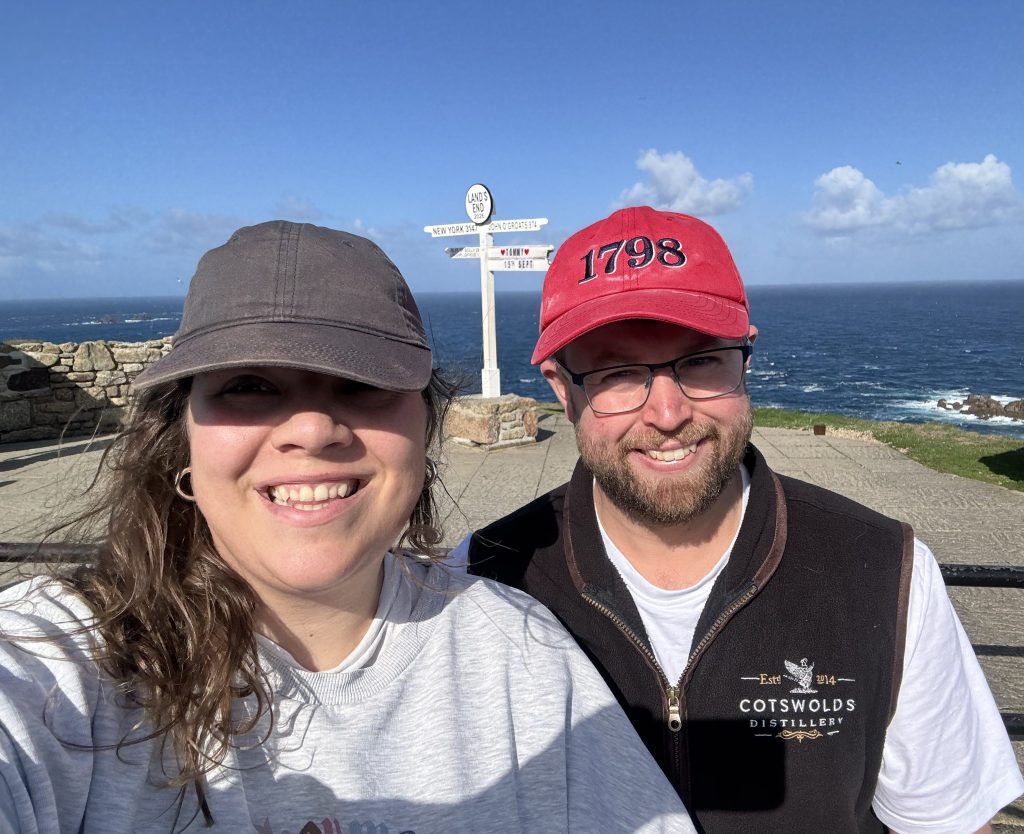
Our next stop was Land’s End, although I have to admit this was one of the more disappointing parts of the holiday. The scenery itself is beautiful, with dramatic cliffs and wonderful views out to sea, but we were surprised by how commercialised everything felt. The parking was expensive, particularly as we were only planning a relatively short visit, and we were rather shocked to discover that an official photograph beside the famous Land’s End sign cost £10.99.
Needless to say, we took a selfie instead!
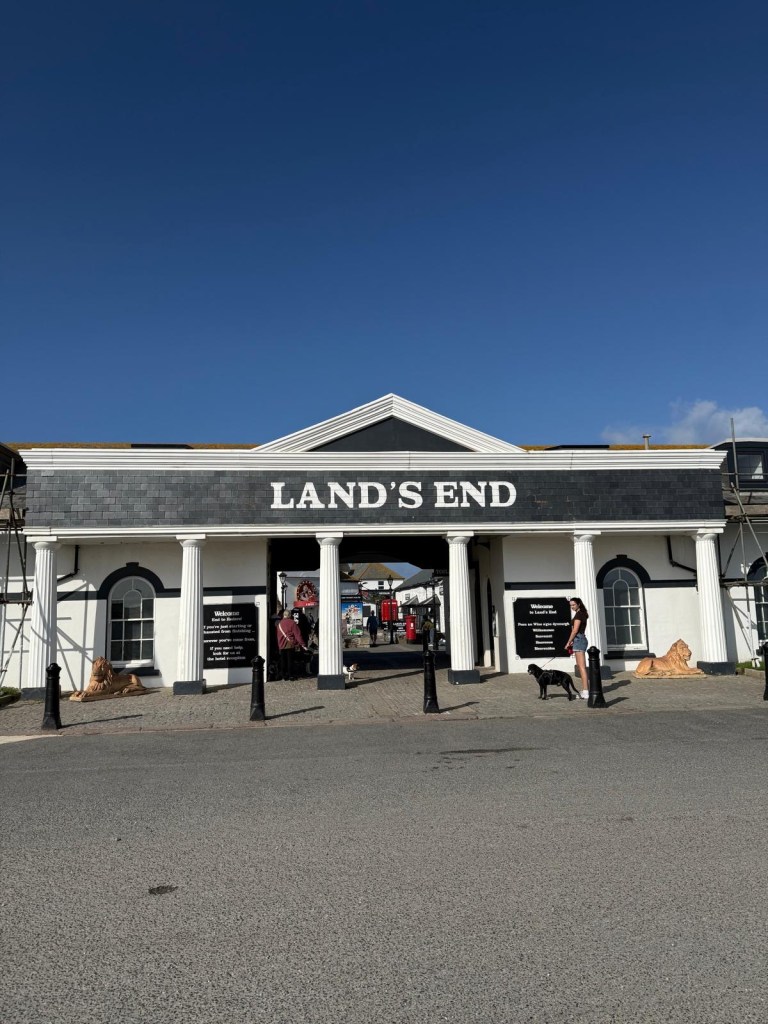
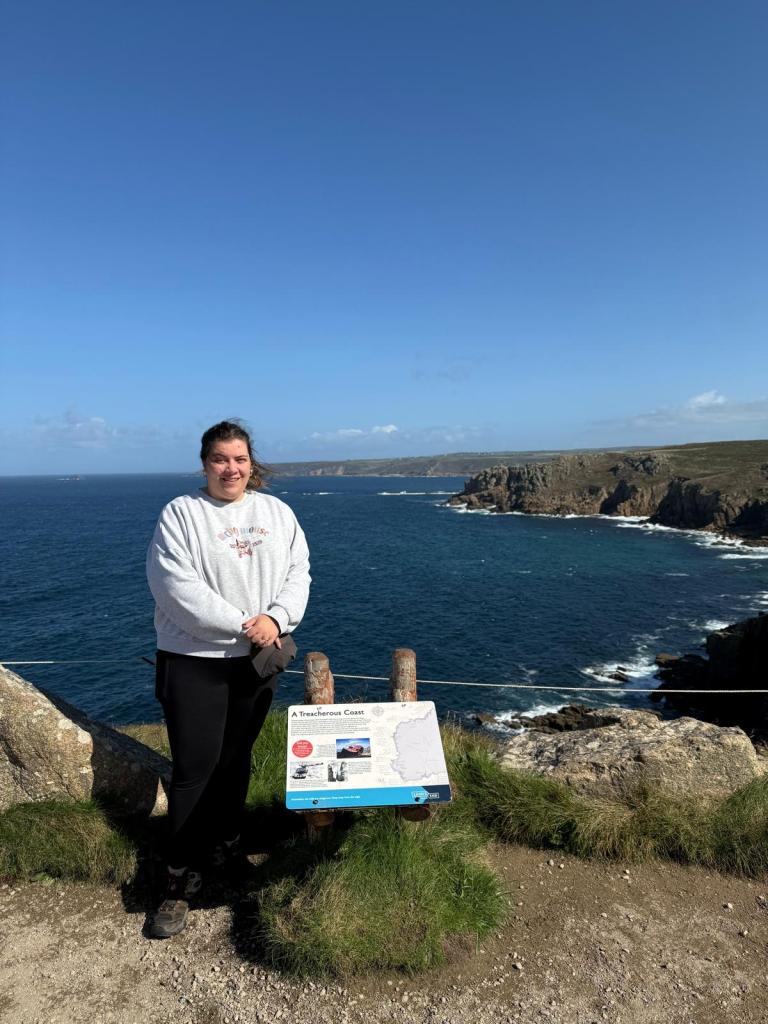
Because the parking arrangements meant paying for the day rather than just the hour or so we’d originally planned, we decided to make more of our visit. We stopped at the hotel for a tea and coffee, wandered around the viewpoints and had a look at the miniature village. The latter was an interesting little attraction, although I felt it could have been better maintained or developed.
We’d also hoped to visit the Minack Theatre while we were in the area, but unfortunately, we arrived too late for the entry slot we’d wanted and hadn’t booked tickets in advance. Missing it by around fifteen minutes was frustrating, particularly as it’s somewhere I’d been keen to see. At least it gives us a good excuse to return to Cornwall in the future.
Fortunately, our next destination more than made up for the disappointment: St Michael’s Mount.
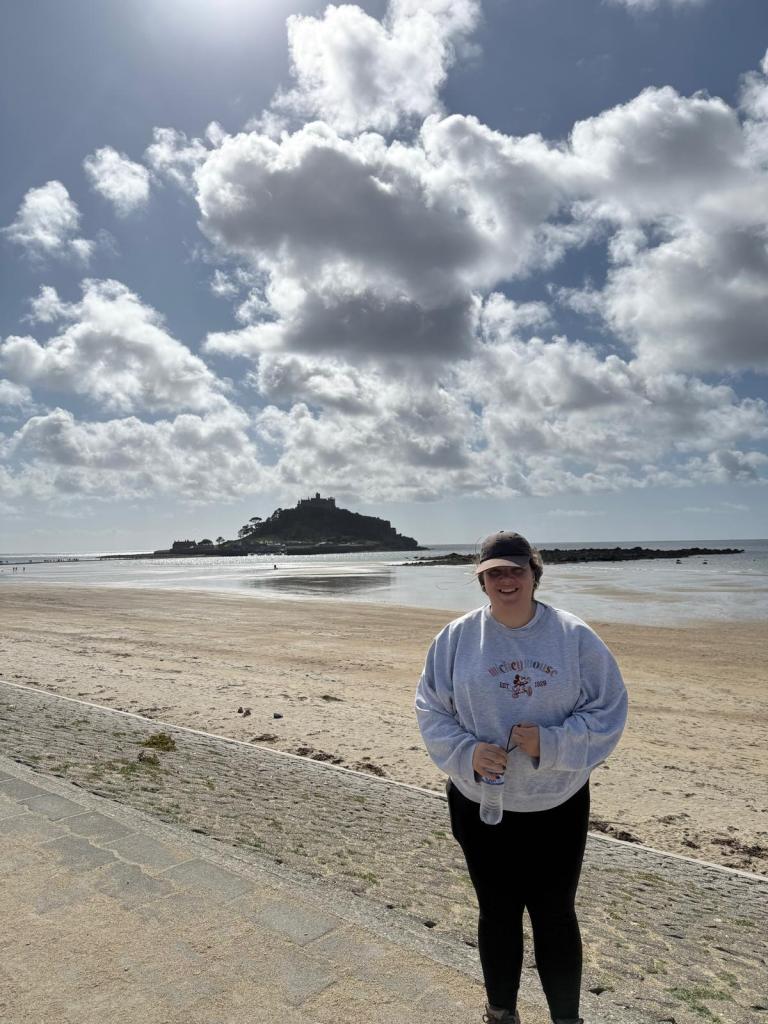
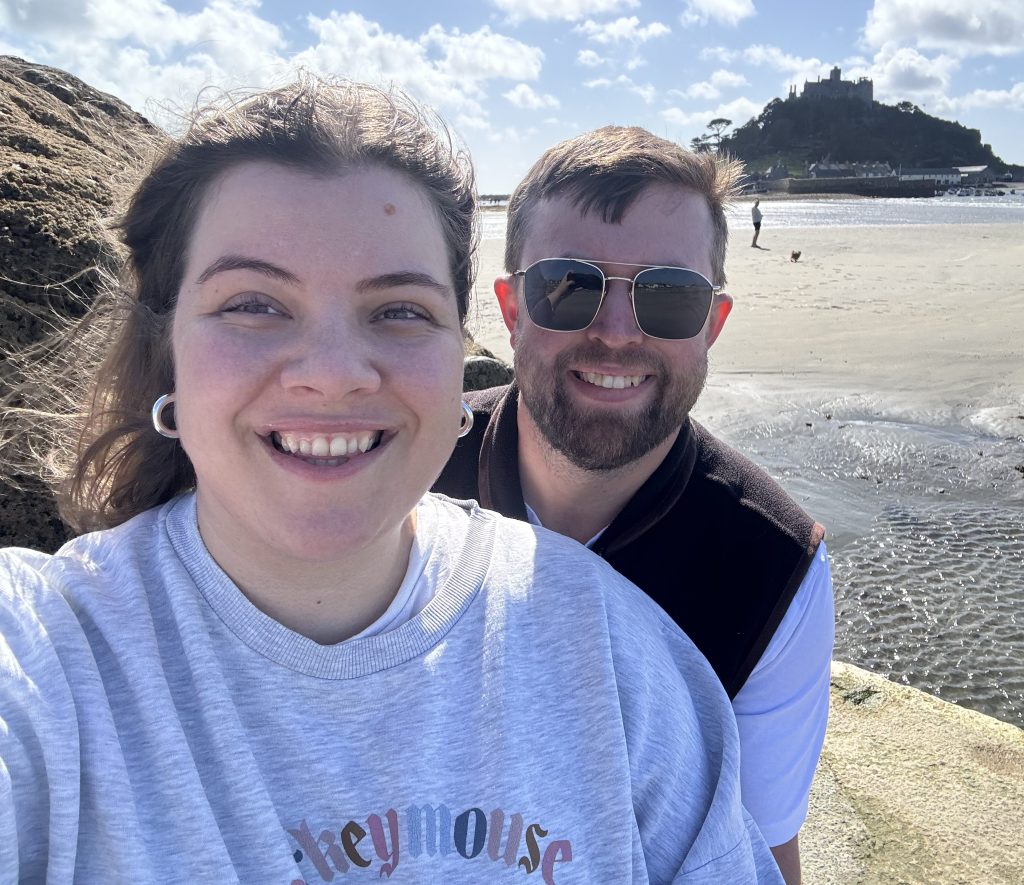
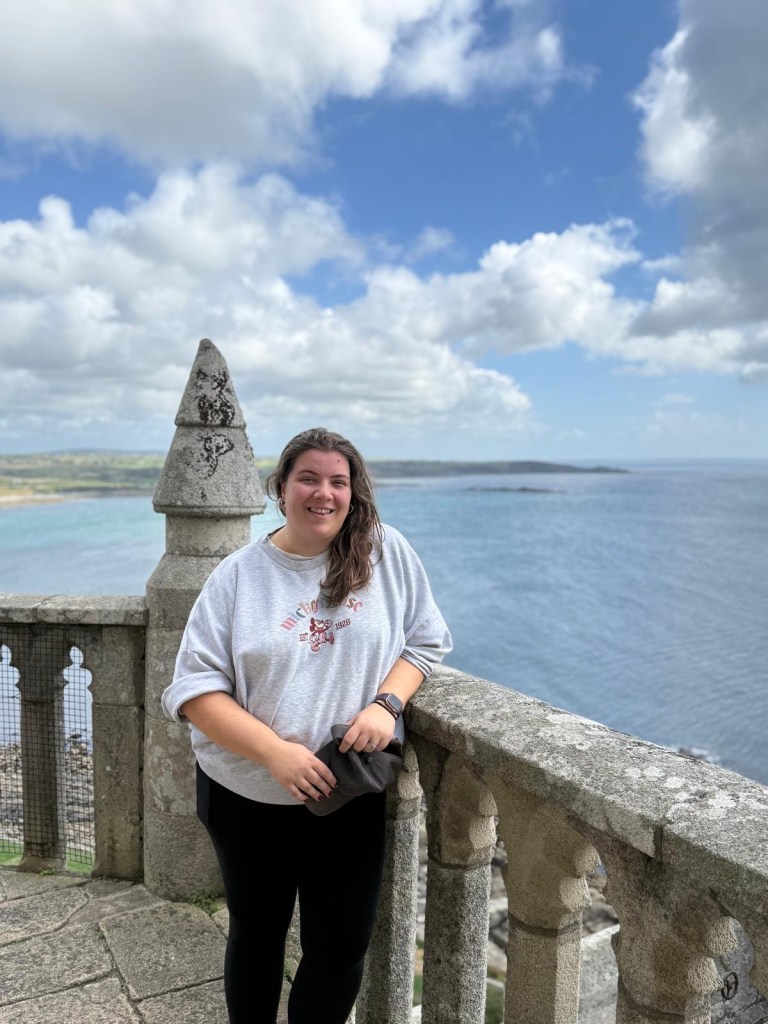
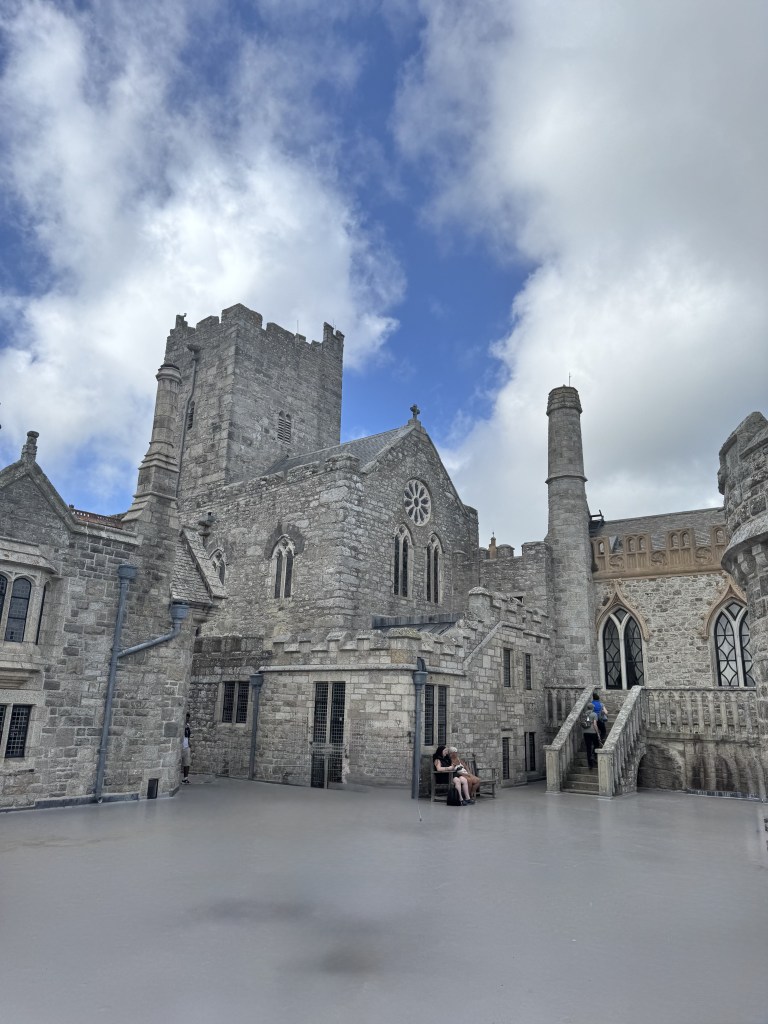
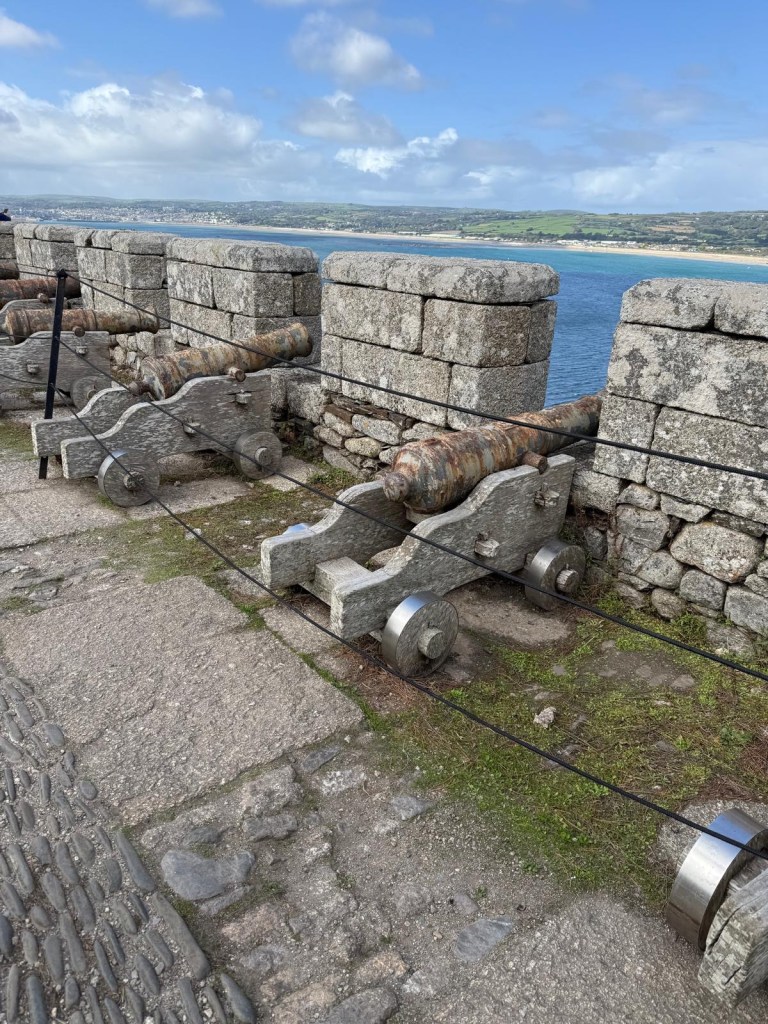
I’d been looking forward to visiting the island, and it certainly didn’t disappoint. Walking across the causeway towards the castle is a memorable experience in itself, with the historic buildings rising above the water and the surrounding coastline providing a fantastic backdrop. It was incredibly busy, but we still absolutely loved it.
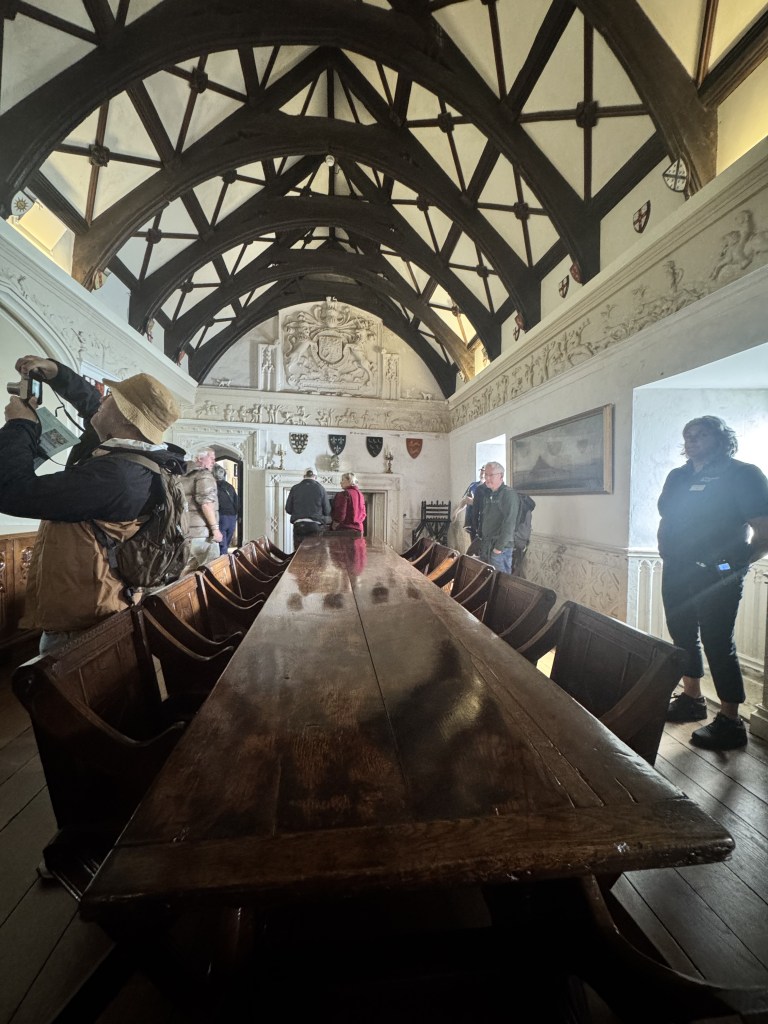
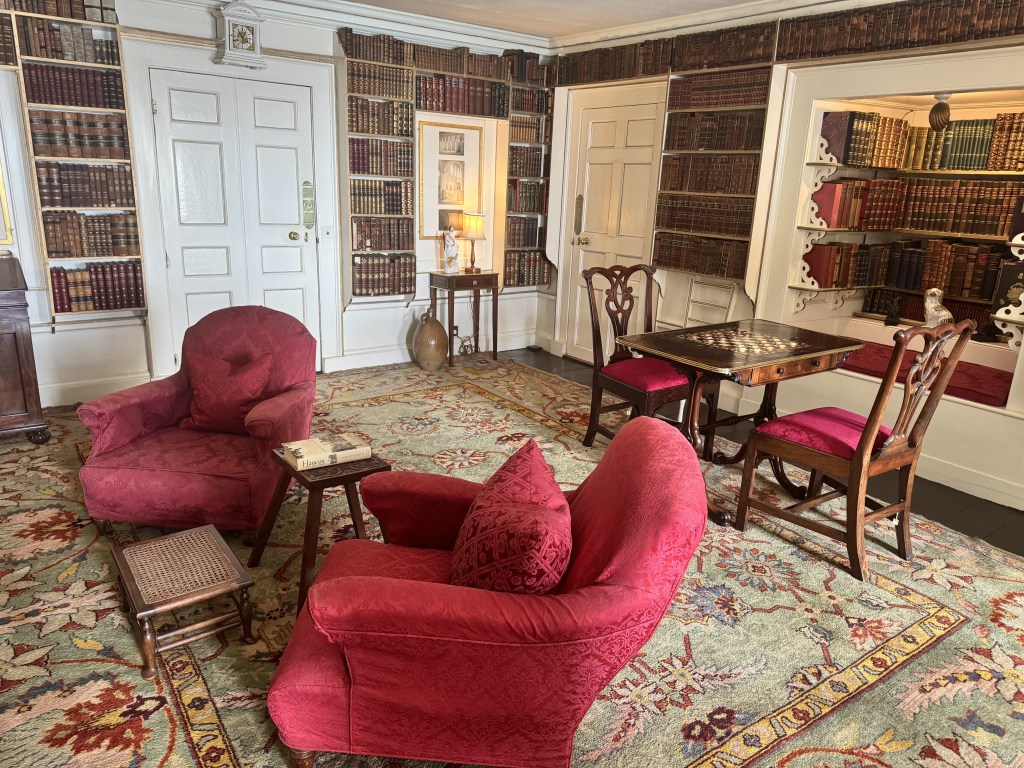
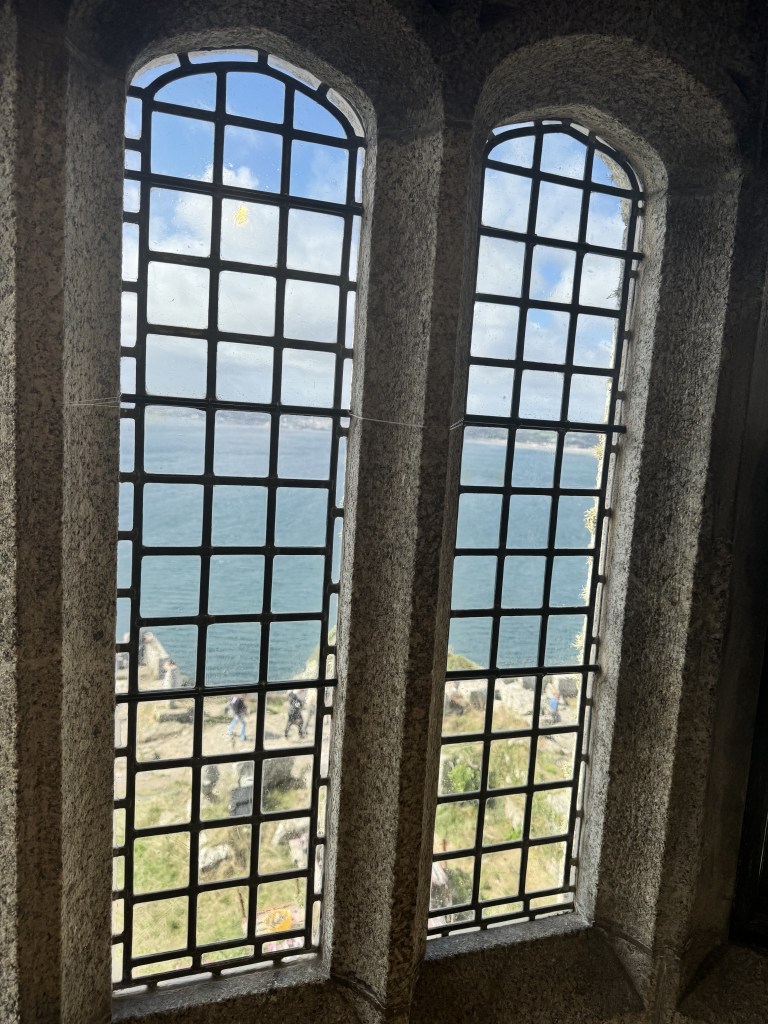
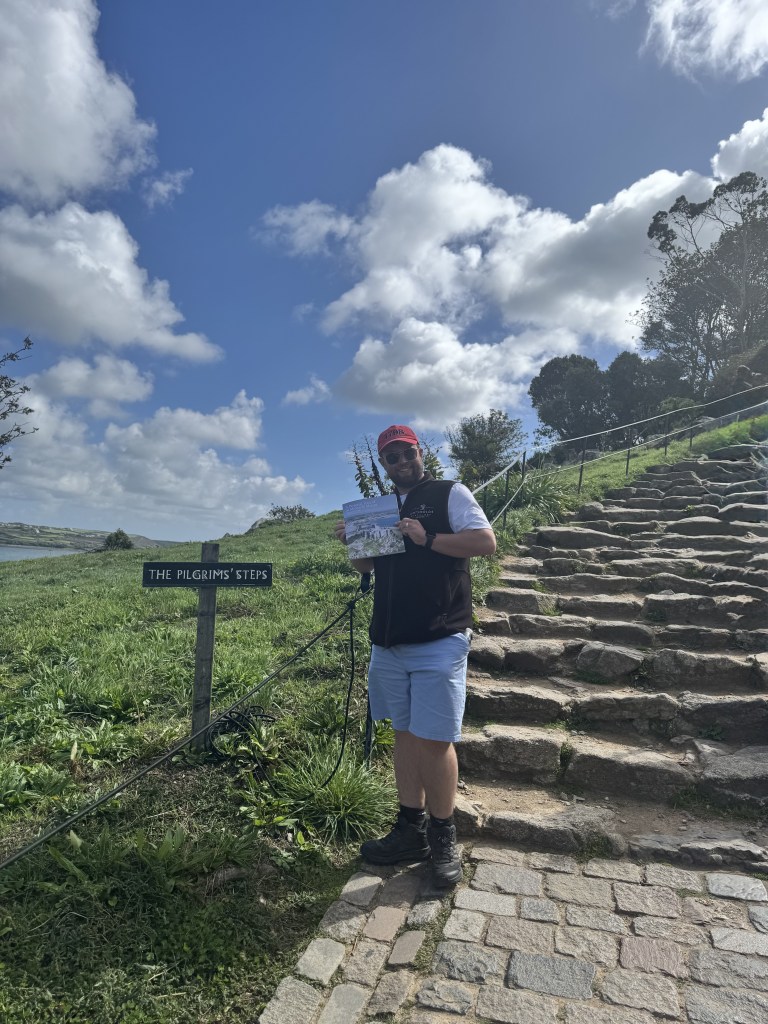
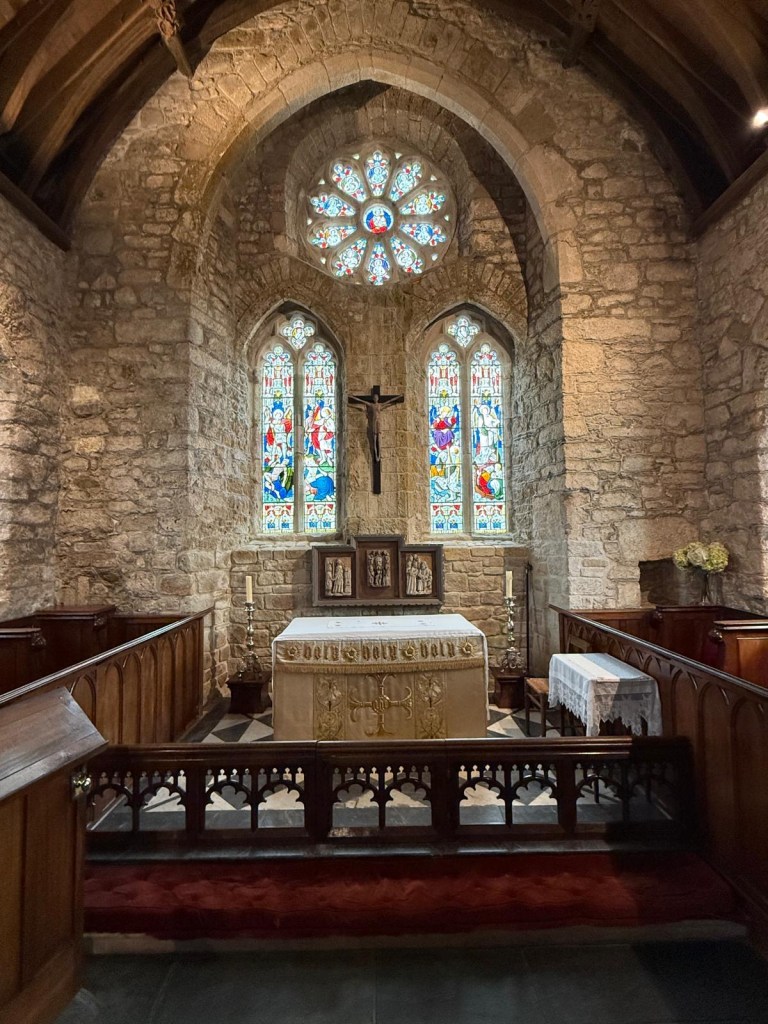
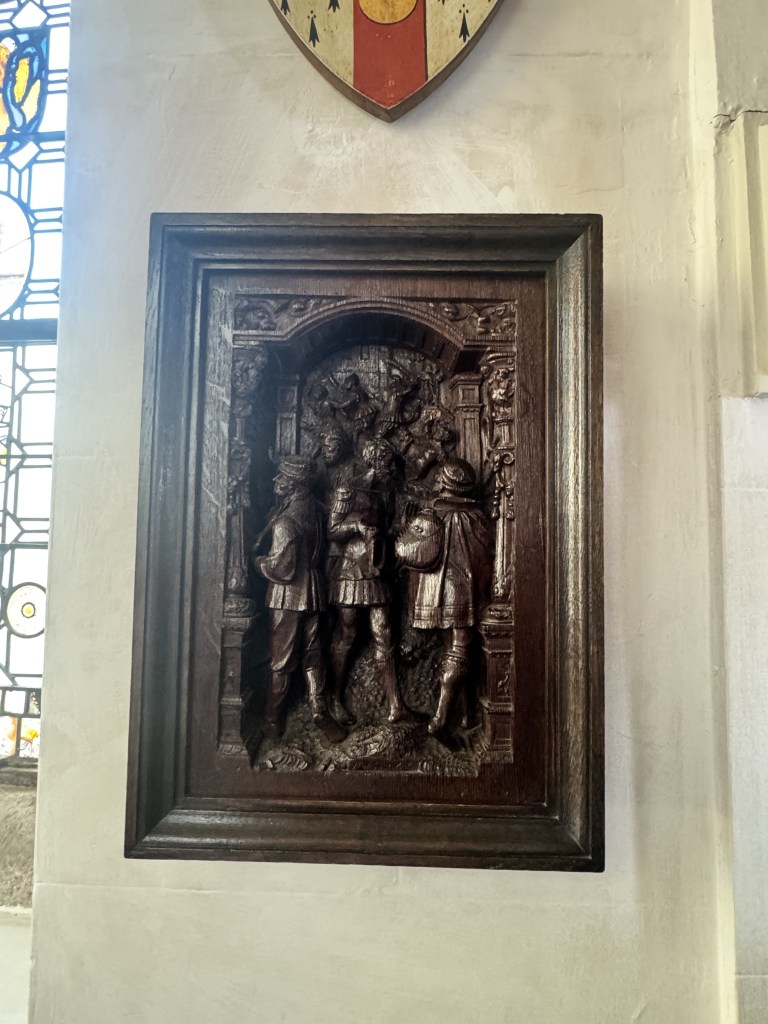
The climb to the castle is quite challenging, especially after a full day of walking, but the views are worth the effort. The church was particularly beautiful and one of my favourite parts of the visit. Despite the crowds, St Michael’s Mount ended up being one of our highlights of the holiday and somewhere I’d happily recommend.
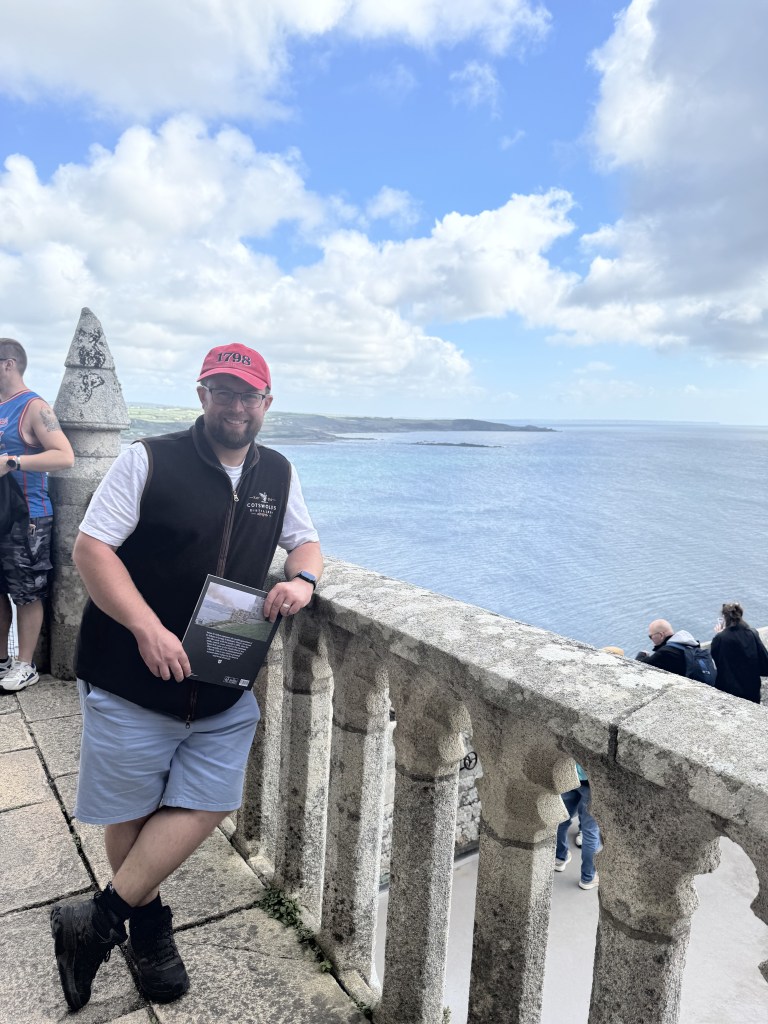
Also you can buy your ticket and guide book in advance and get a little discount! I don’t think it was much, but every little helps! And the book was very useful, with lots of information. Luke and I always get a guide book whenever we visit somewhere new. We just need to find a decent bookcase so we can start showing off our guidebook collection!
Day 5: St Just in Roseland, Pendennis Castle and St Mawes
We started our fifth day with a visit to Pendennis Castle, an English Heritage property overlooking the Fal Estuary. Pendennis has an extensive military history, with fortifications that developed over several centuries, and there was certainly plenty to explore. I’ll admit that military history isn’t necessarily my favourite subject, so while I found the castle interesting, it wasn’t one of the places that completely captured my imagination. That said, I particularly enjoyed exploring the Half Moon Battery, and I’m glad we included Pendennis in our itinerary.
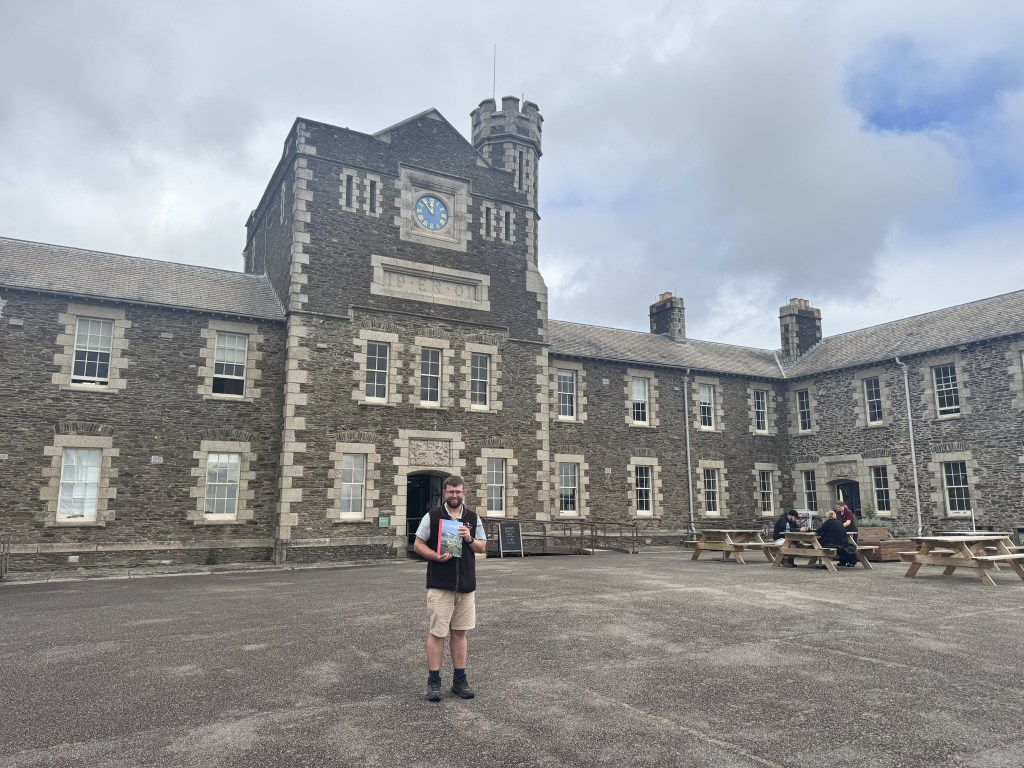
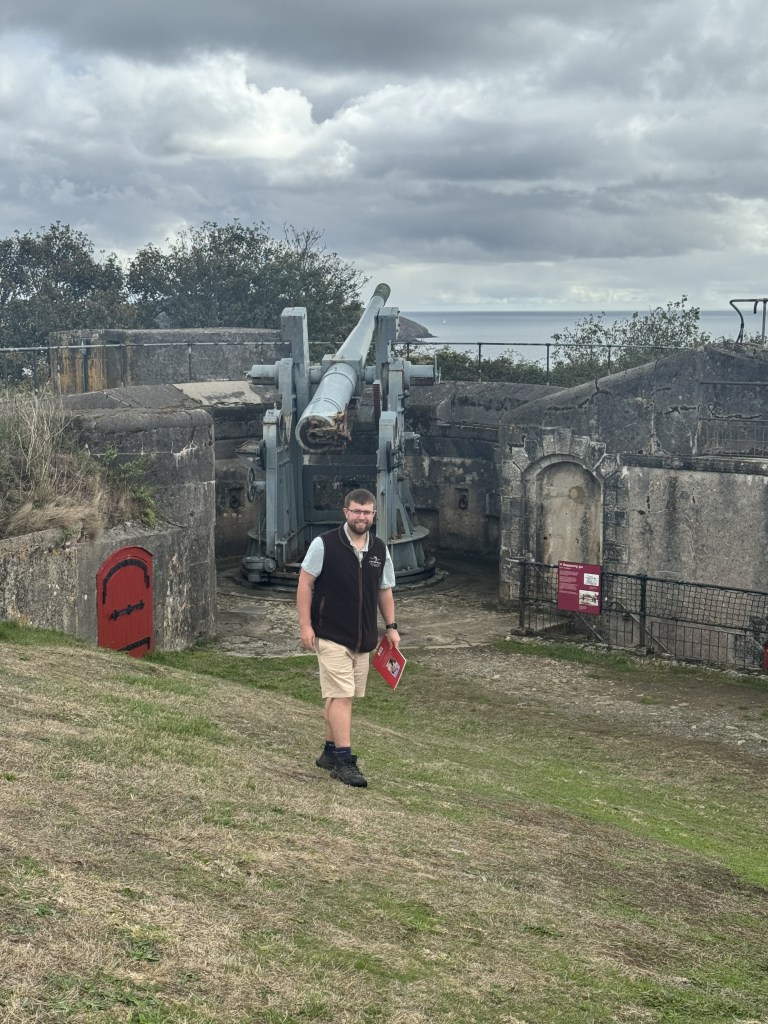
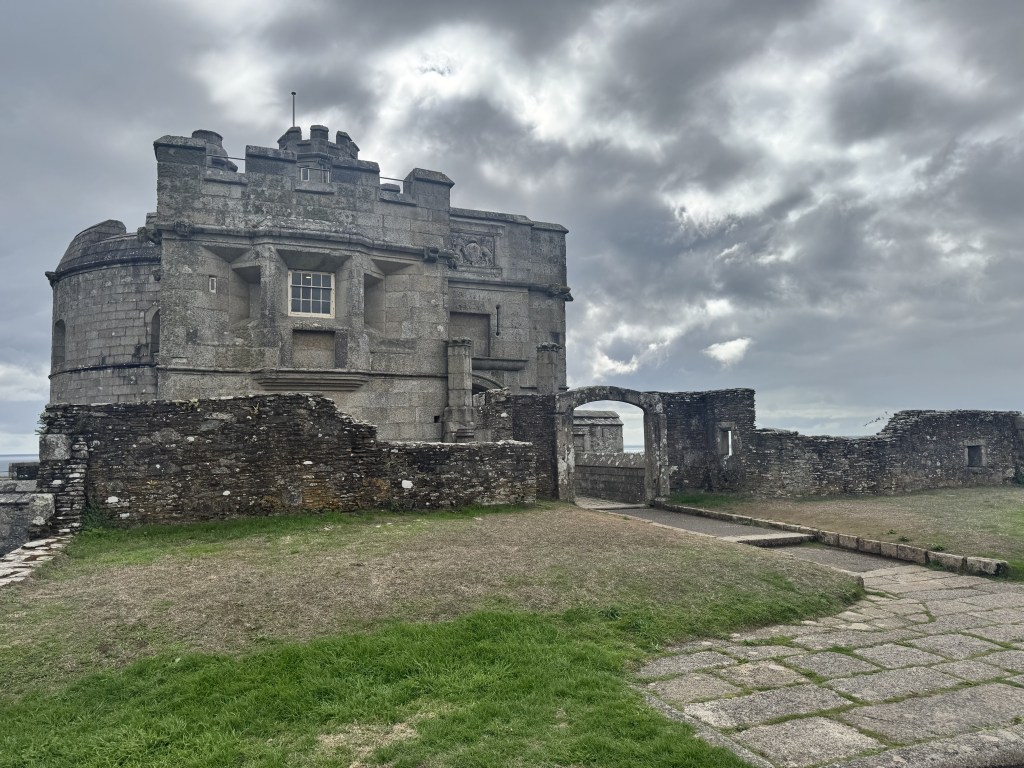
From there, we headed to St Just in Roseland Church, a beautiful little church set within wonderfully picturesque surroundings. It’s one of those places where the setting is just as important as the building itself, and we thoroughly enjoyed spending some time wandering around and appreciating the peaceful atmosphere. This was a great little stop, and we got the timing perfect as we were ready for a bit of lunch at this point. I don’t have many photos of this church, but it was a really lovely find.
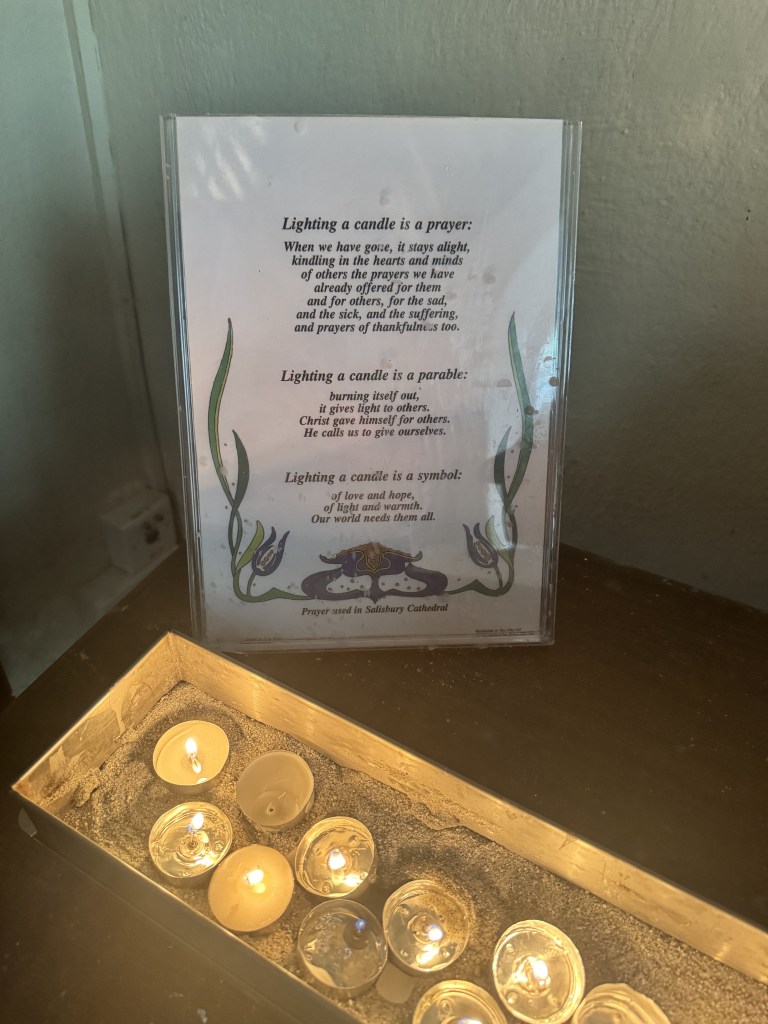
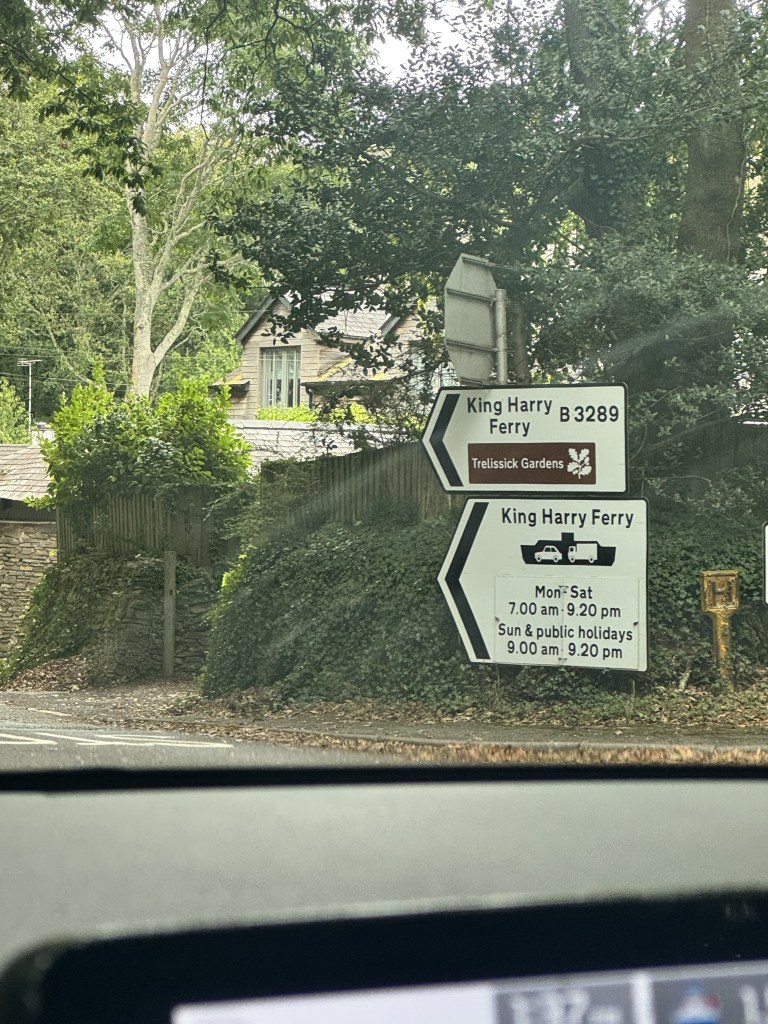
Afterwards, we caught the boat across to St Mawes, which was a lovely experience in itself. I think this was about £8 to cross over (single-fare). There’s something rather nice about arriving somewhere by water rather than driving, especially when you’re surrounded by such beautiful coastal scenery. We then visited St Mawes Castle, another English Heritage property, and I have to say I found this one considerably more interesting.
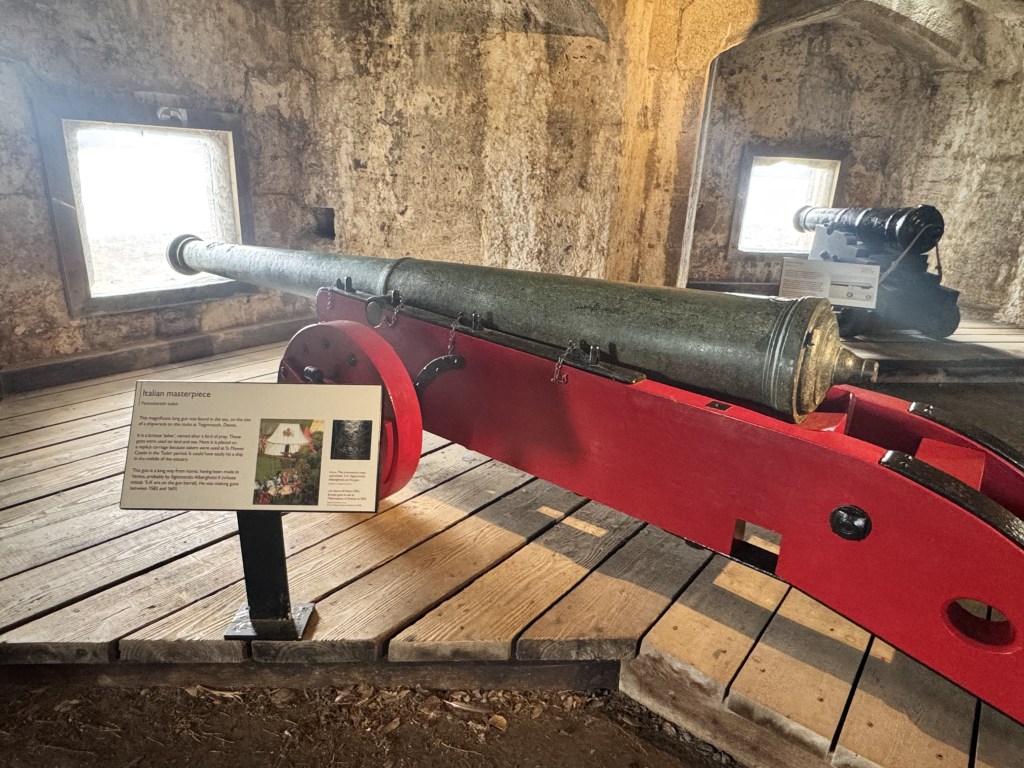
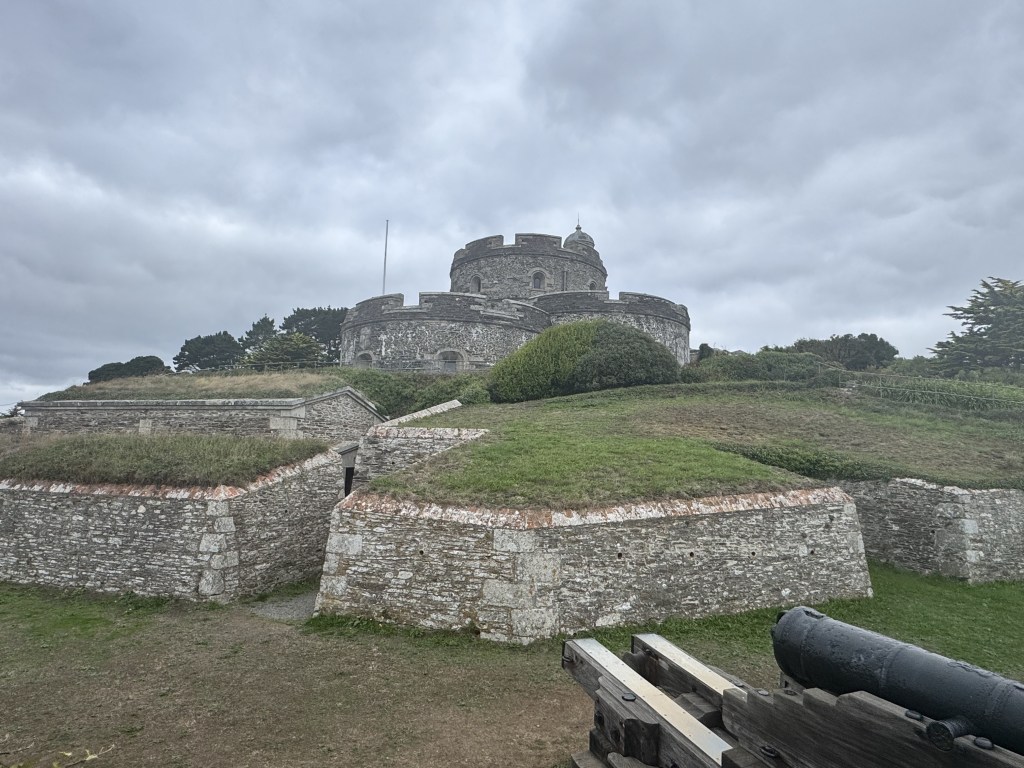
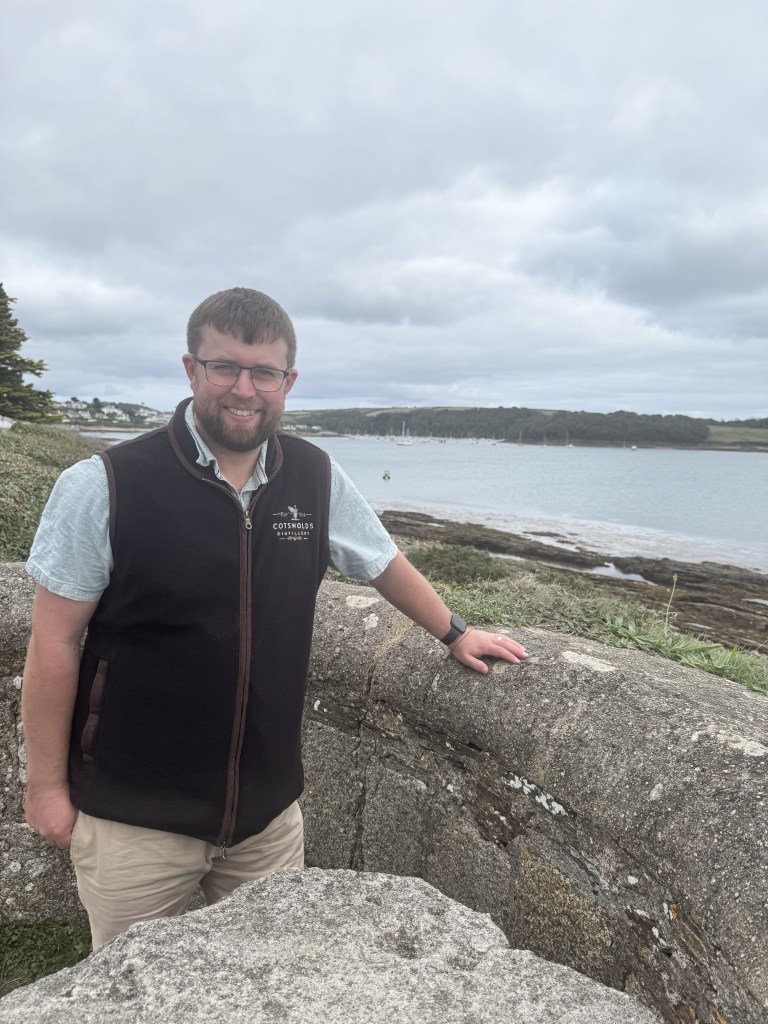
Although St Mawes also has a military history, its design, layout and coastal position really appealed to me. We enjoyed exploring the different areas of the castle and taking in the views before wandering down towards the harbour. St Mawes itself is a lovely place, and I’d happily spend more time there on a future visit.
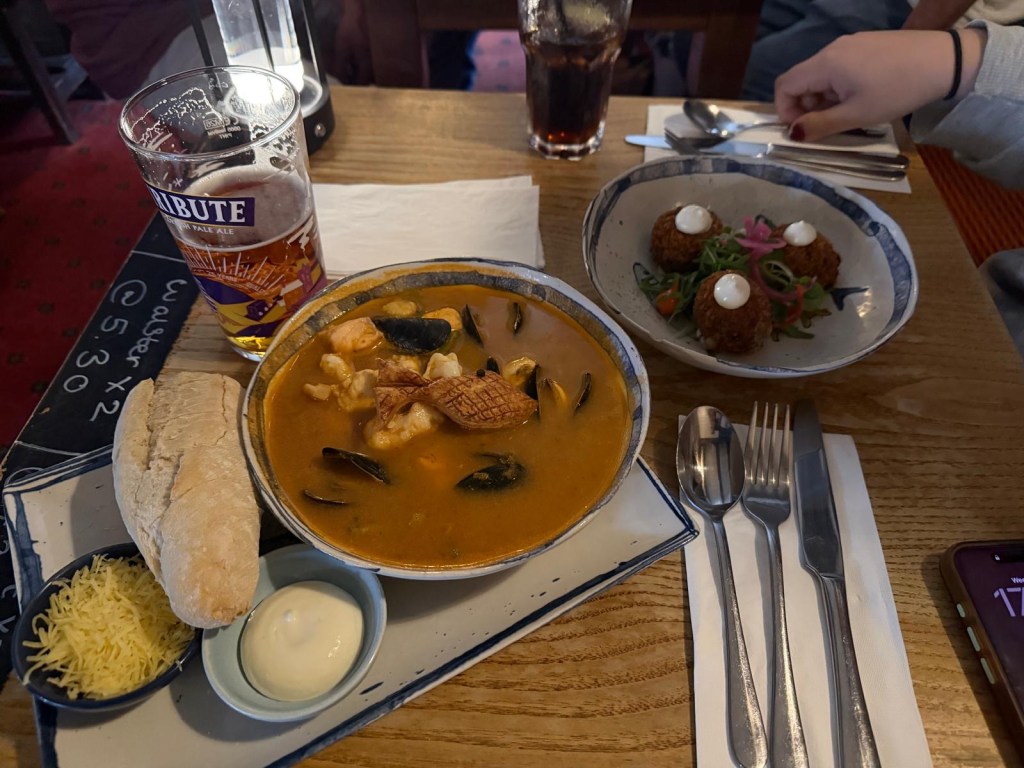
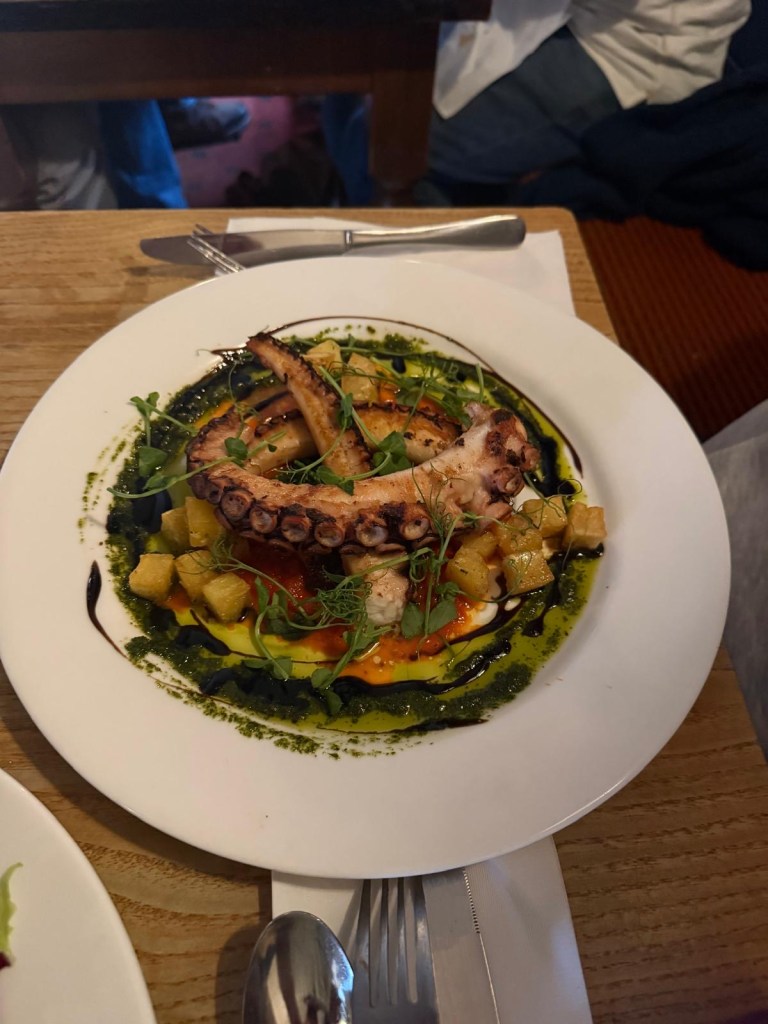
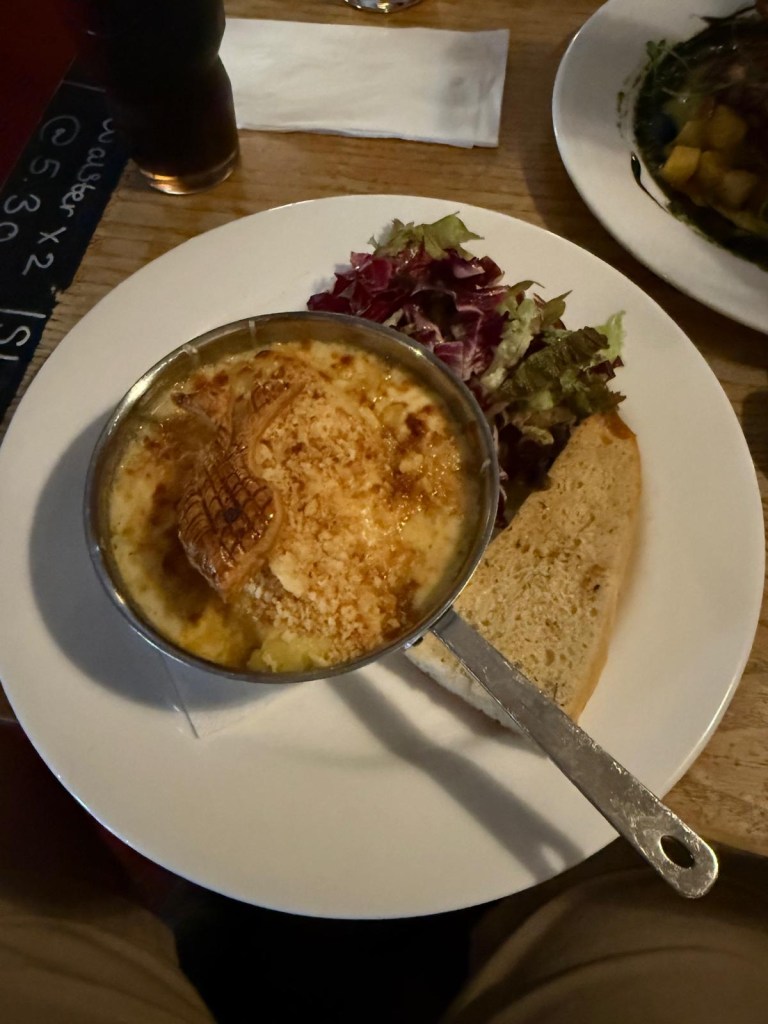
That evening, we headed to The Plume of Feathers for dinner, and what a fantastic meal it turned out to be. The seafood soup was absolutely delicious, and I decided to try octopus, which was incredible. Luke opted for fish pie and thoroughly enjoyed it too. It was easily one of our favourite meals of the holiday, so much so that we were already thinking about returning when Mum and Dad arrived.
Day 6: St Ives and the Wonderful Chysauster Ancient Village
Our sixth day began with a trip to St Ives, somewhere we’d been looking forward to exploring. We decided to park higher up and catch the bus down into the town, which seemed like a sensible way to avoid the busy streets and limited parking closer to the harbour.
St Ives was every bit as picturesque as we’d hoped, with its beautiful harbour, narrow streets and lovely coastal views. It was also incredibly busy, even in September, although that didn’t stop us enjoying our visit. Luke had been there more than ten years earlier, so we took the opportunity to recreate an old photograph, which was a lovely little moment.
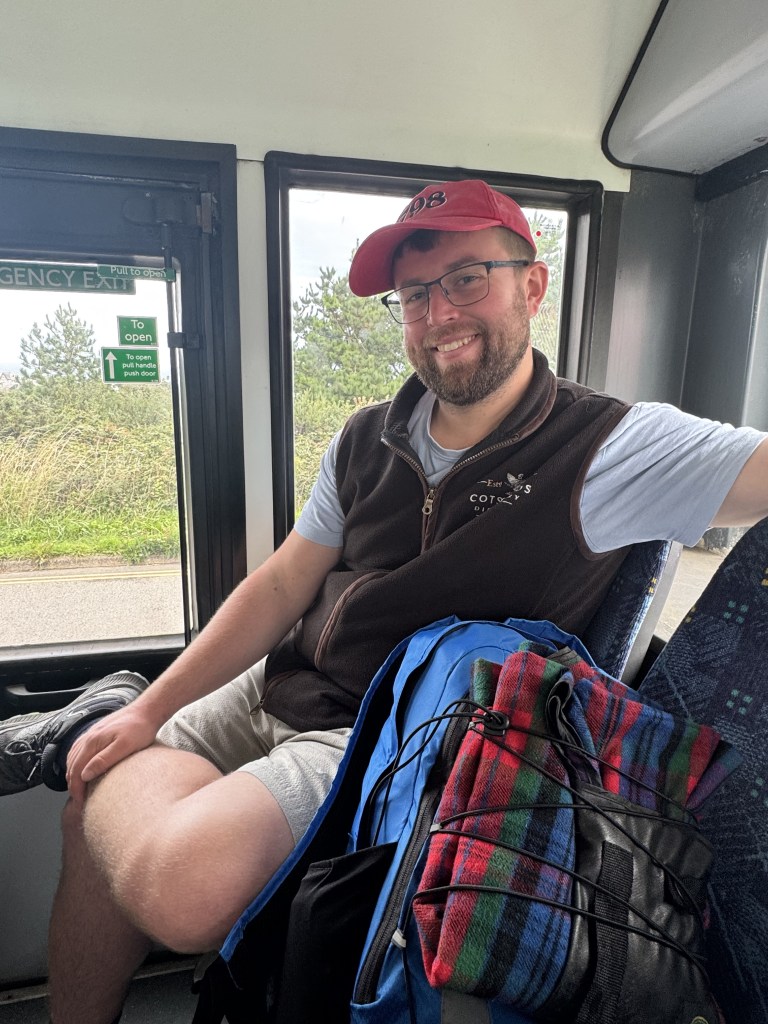
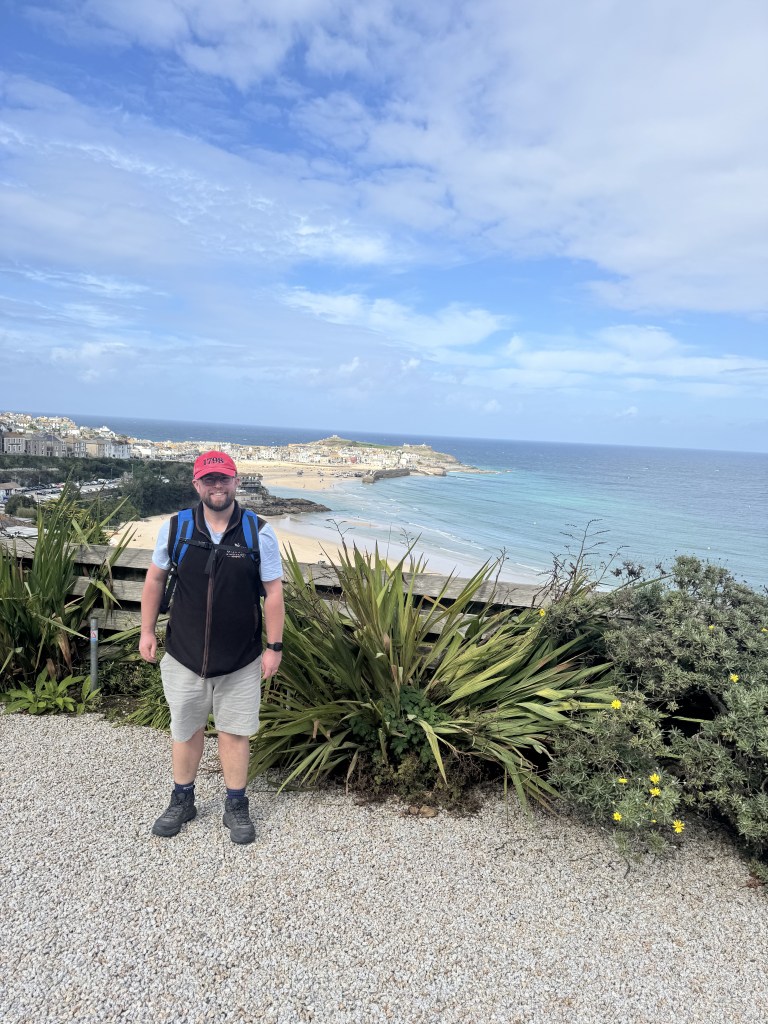
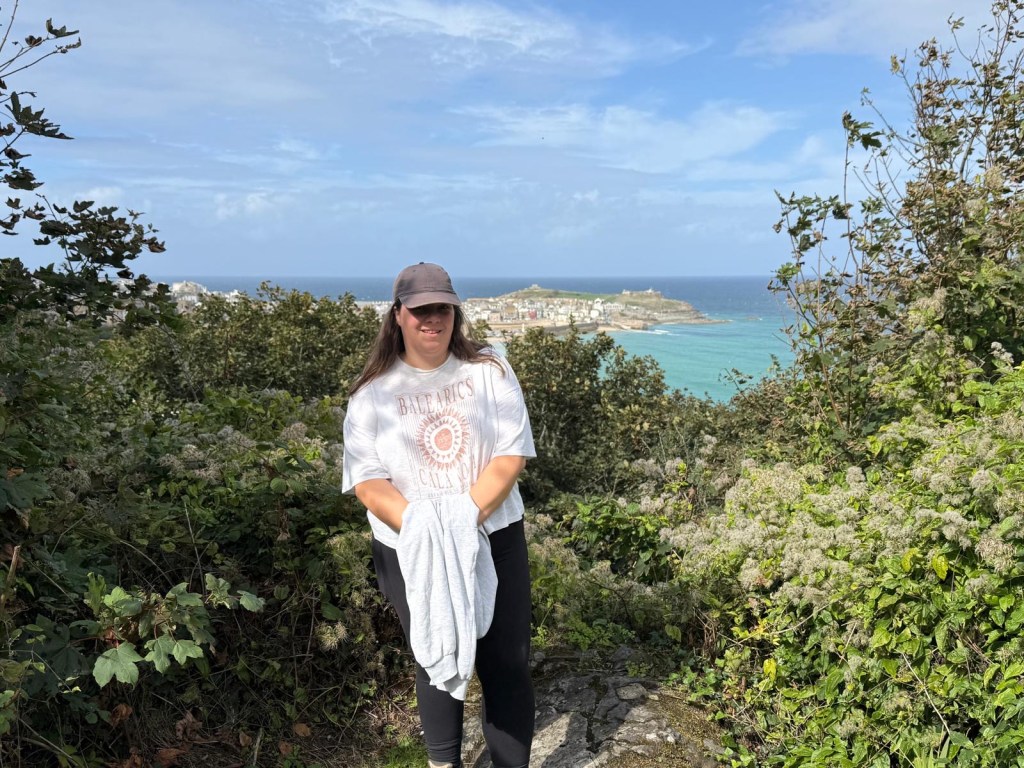
We’d originally planned to catch the bus back up to the car, but for some reason, we decided to walk instead. I’m not entirely sure what possessed us, particularly given how much walking we’d already done that week, but we eventually made it back to the top.
After leaving St Ives, we headed to Chysauster Ancient Village, and I’m so glad we did because this ended up being one of my favourite places of the entire holiday.
Chysauster is the remains of an ancient settlement, with a series of distinctive stone houses spread across the landscape. Unlike some historic sites where much of the original structure has disappeared, there’s still enough here to get a real sense of the settlement and how it might once have functioned.
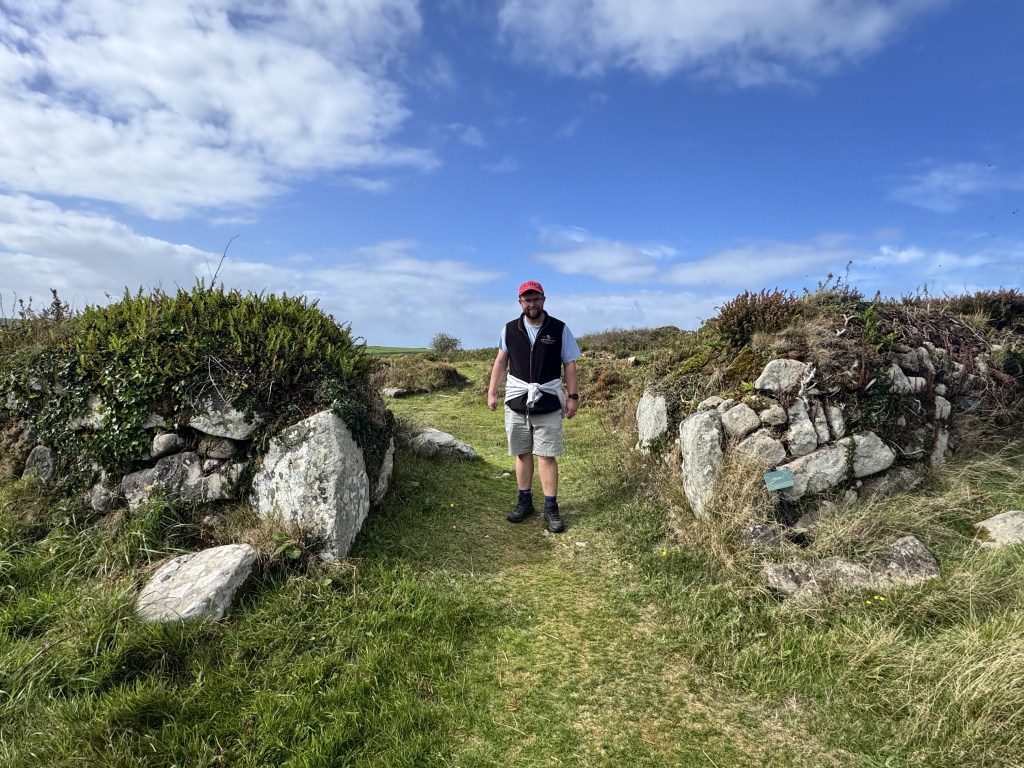
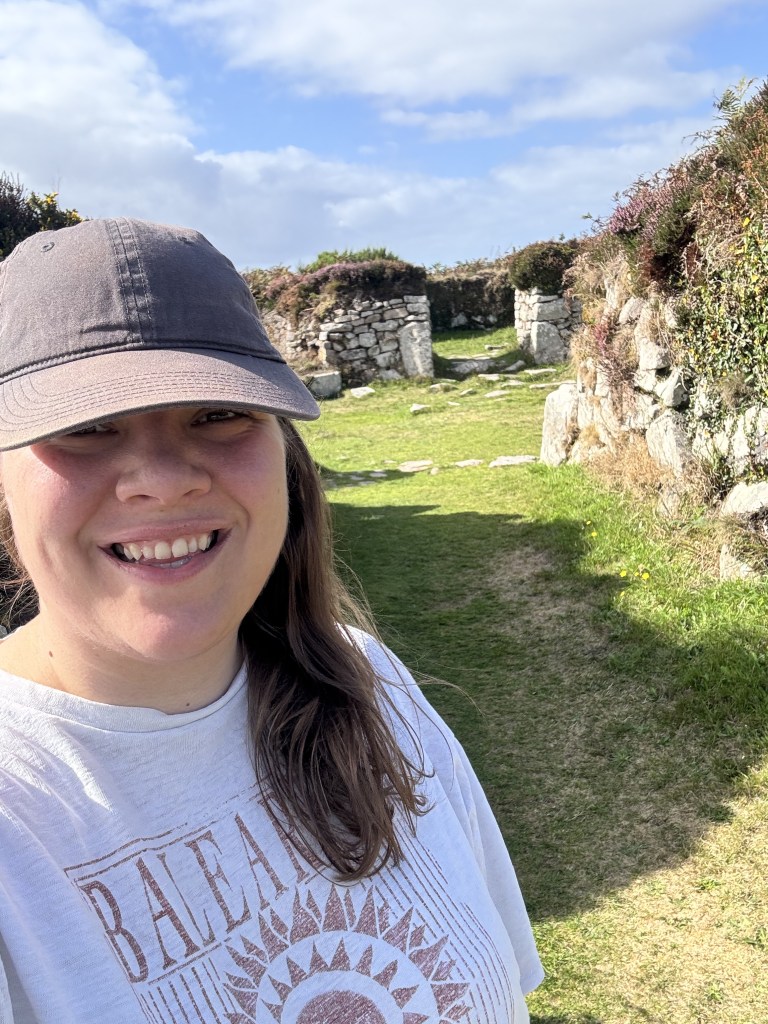
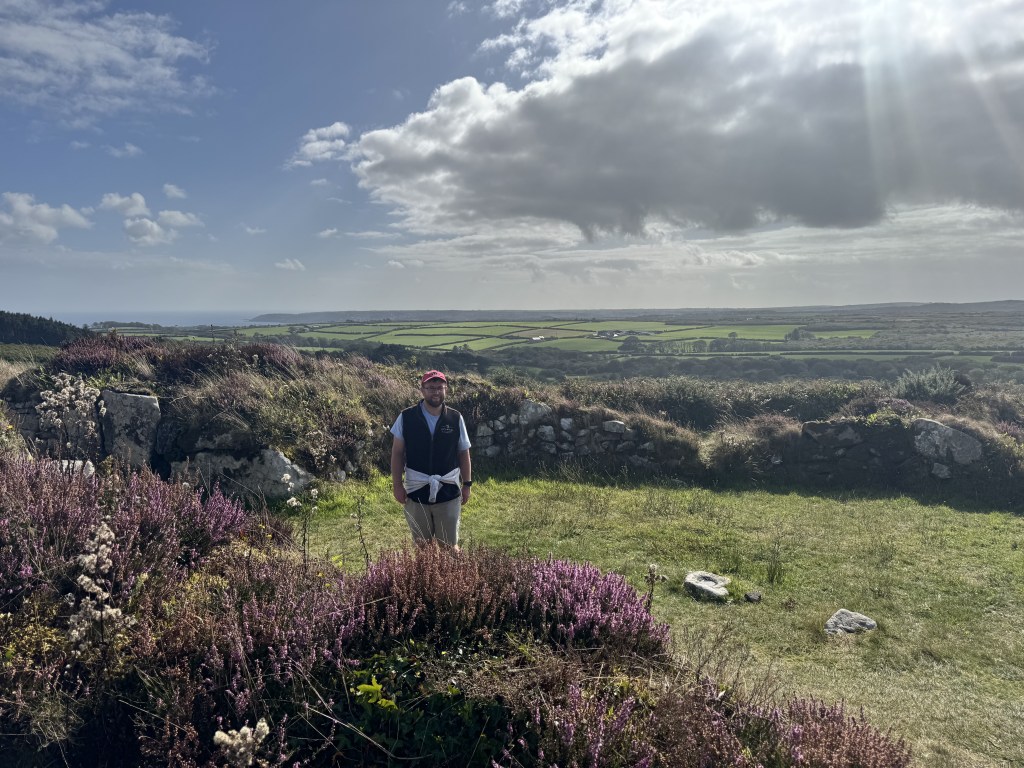
The weather couldn’t have been better. The sun was shining, the heather was in bloom, and the surrounding countryside looked absolutely beautiful. There was something incredibly atmospheric about wandering between the remains of the houses and imagining the people who had lived there centuries ago.
It’s difficult to explain exactly why I loved Chysauster so much, but it was one of those places where everything seemed to come together perfectly. The history, landscape, weather and peaceful atmosphere made it a really memorable visit, and I’d thoroughly recommend it to anyone interested in ancient history.
Day 7: Roche Rock, Castle an Dinas and a Fantastic Dinner in Padstow
We began our seventh day with a visit to Roche Rock, which has to be one of Cornwall’s more unusual historic landmarks. Perched on top of a dramatic rocky outcrop are the remains of a medieval chapel, and it’s quite a sight when you first arrive.
Unfortunately, getting up to the chapel was a different matter. It involved climbing up the rock itself, and whilst google said there was a ladder we decided that admiring the chapel from below was probably the more sensible option. Perhaps not our most adventurous moment, but I’d rather return home with all my limbs intact!
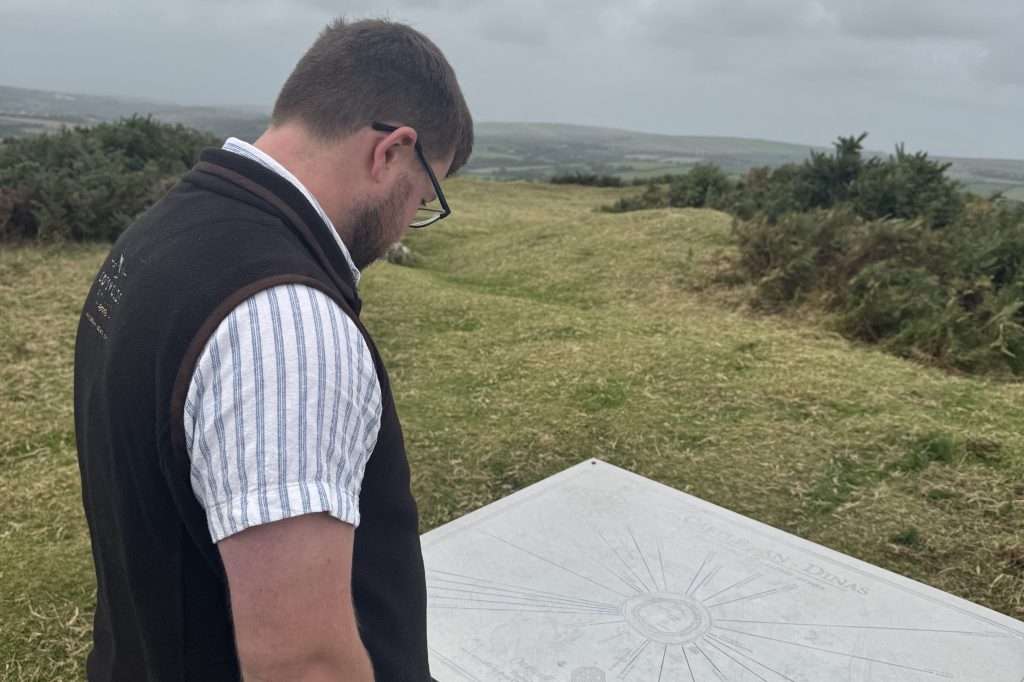
From Roche Rock, we continued to Castle an Dinas, an ancient hillfort with a fascinating history. There’s not a huge amount to see in terms of surviving buildings, so it’s one of those places where you need to use your imagination to appreciate what once stood there. Nevertheless, we enjoyed exploring somewhere with such a long history.
We then headed towards Crantock Beach, hoping to find a cave with poetry carved into the rock. Unfortunately, we’d got our timing wrong with the tide, so we weren’t able to explore it. It’s another example of why checking tidal conditions is so important when planning coastal visits in Cornwall, particularly if you want to explore caves or beaches with restricted access.
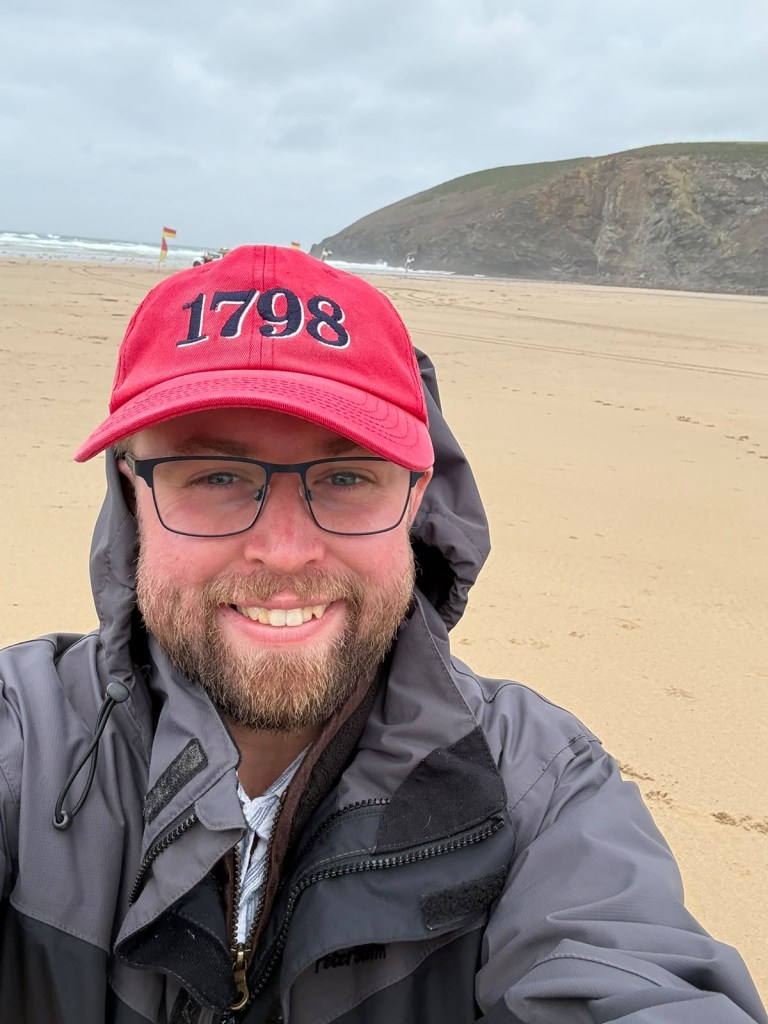
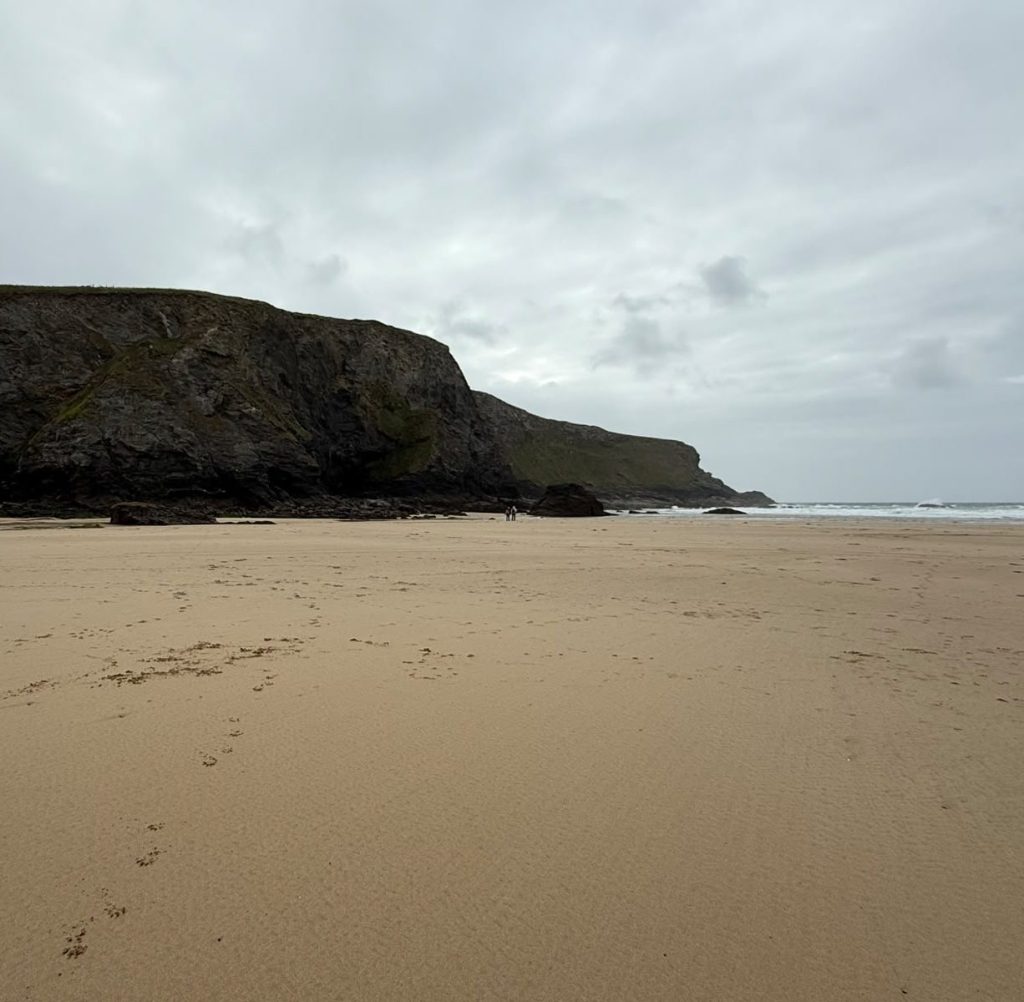
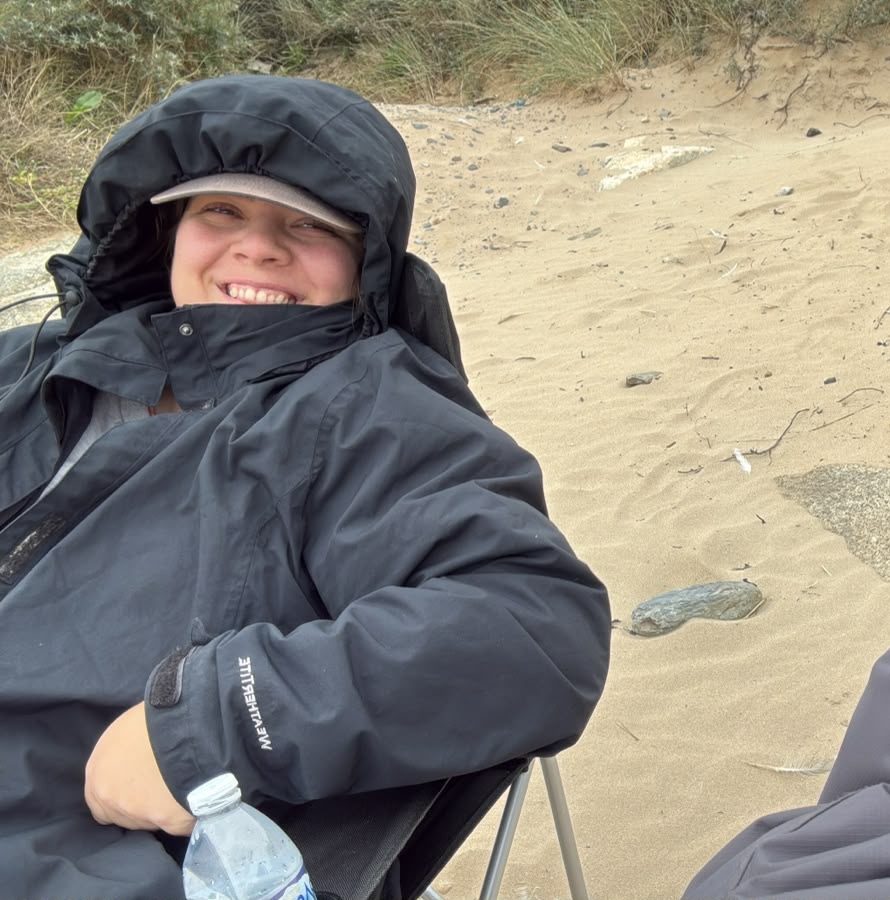
Instead, we continued to Mawgan Porth, where we spent some time sitting on the beach and enjoying the scenery. It was rather chilly, so I was wrapped up against the wind, but it was lovely having the opportunity to sit and appreciate the coastline without rushing off to another attraction.
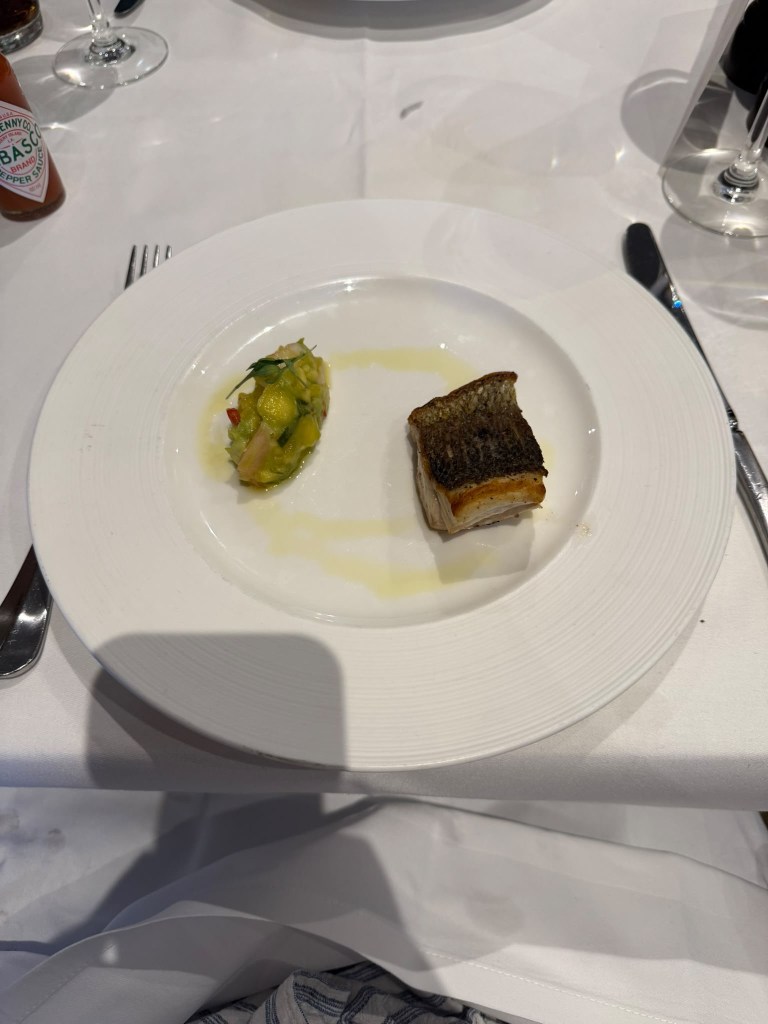
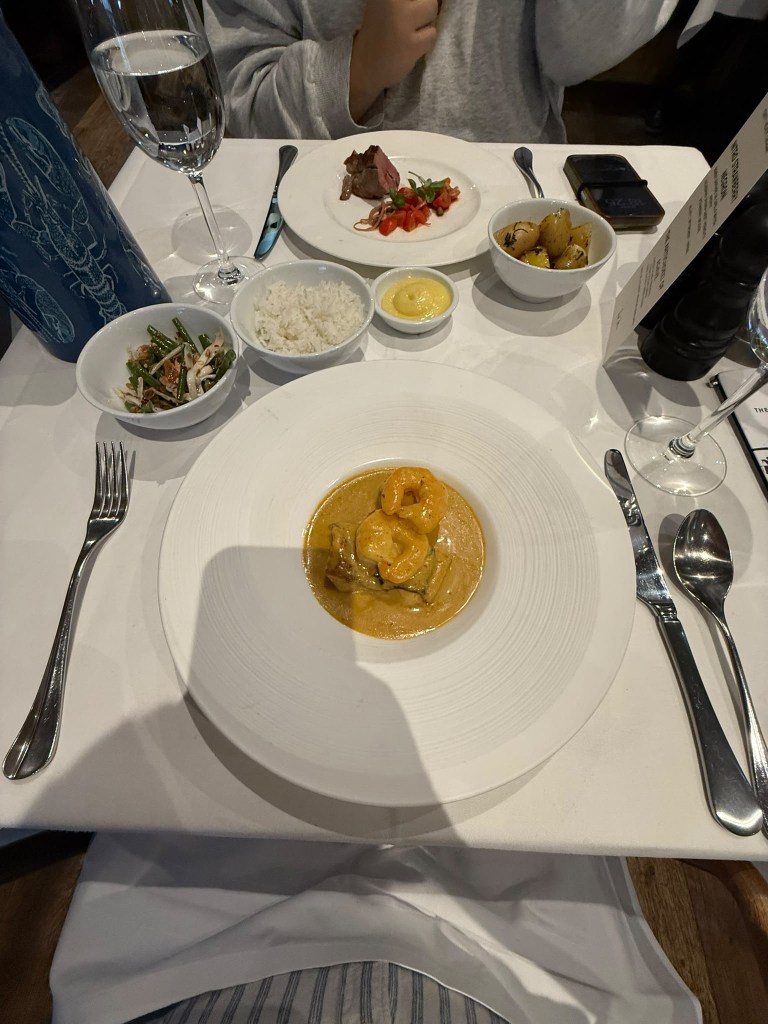
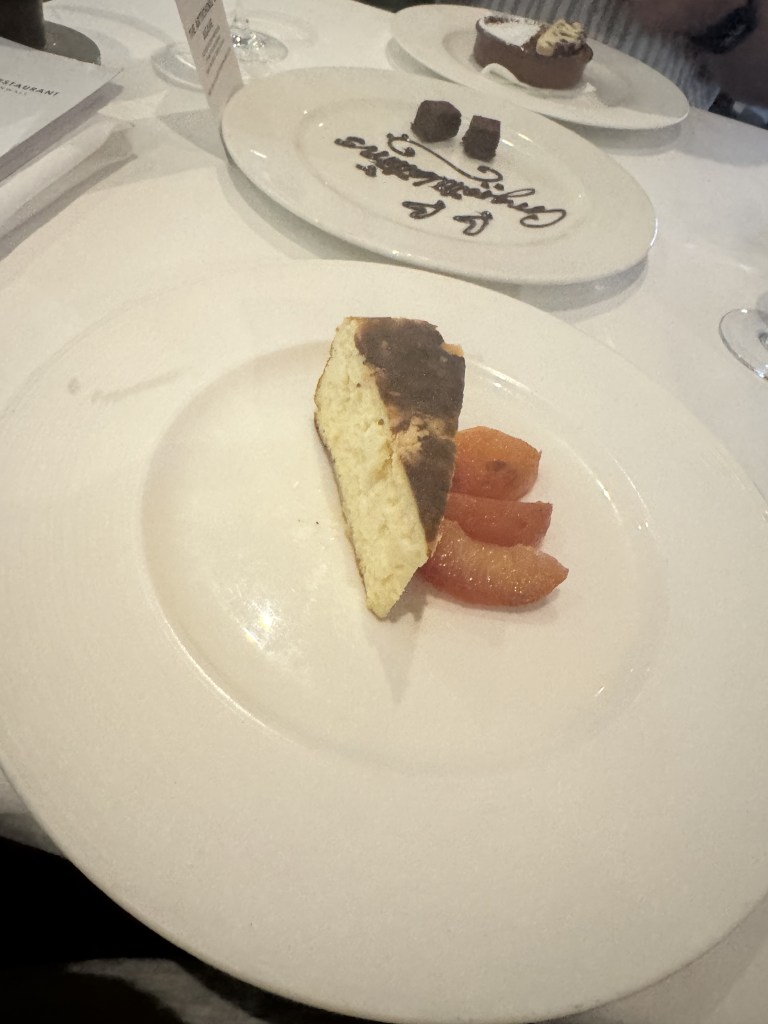
That evening, we had something rather special planned: dinner at Rick Stein’s Seafood Restaurant in Padstow. We decided to have the set menu, which turned out to be a fantastic decision.
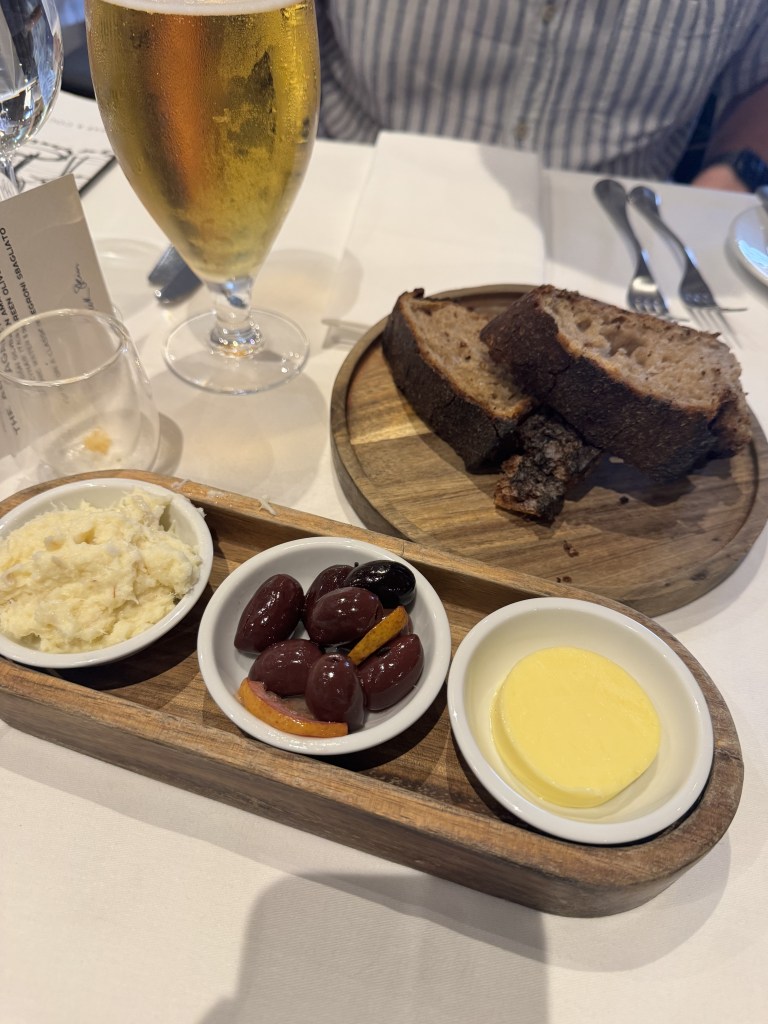
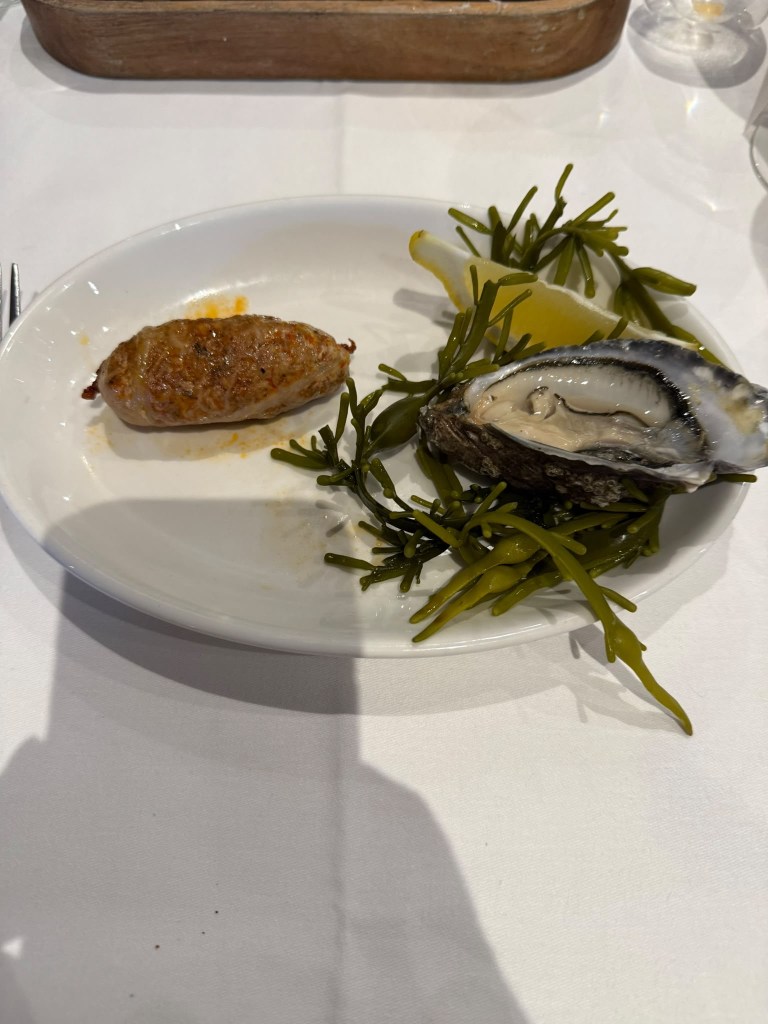
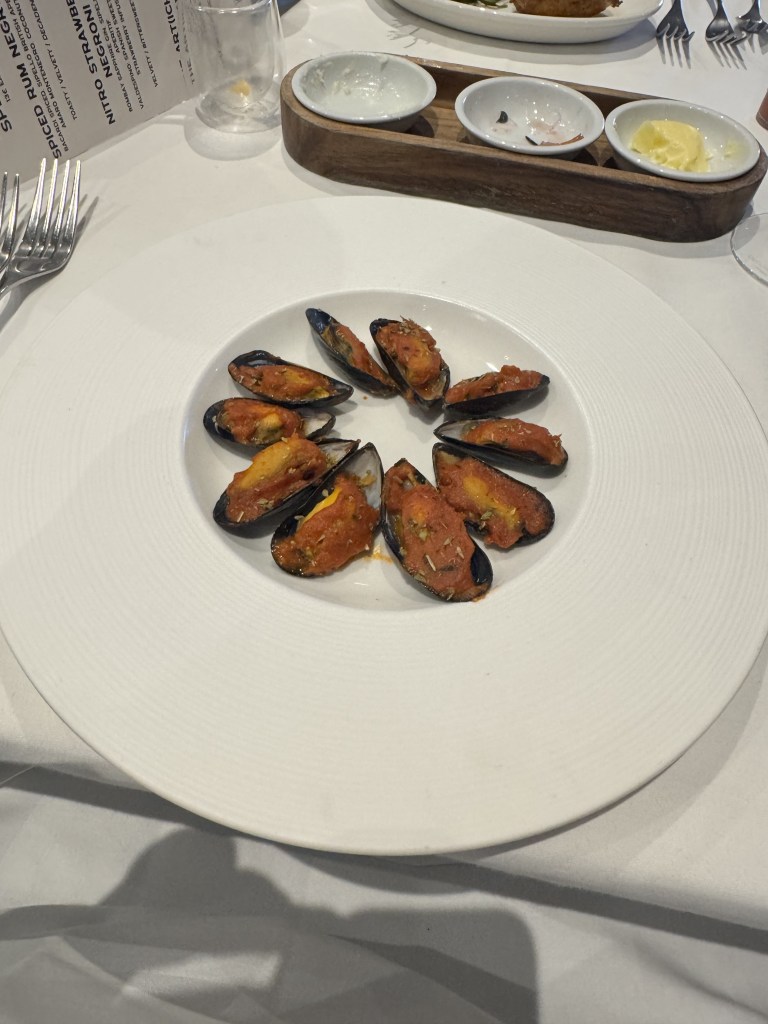
Luke started with oysters, while I opted for mussels. We then enjoyed sea bass for Luke and salmon for me, with the salmon being one of my favourite dishes of the evening. The next course was seafood curry for Luke and lamb for me, both of which were delicious, before finishing with crème brûlée and cheesecake.
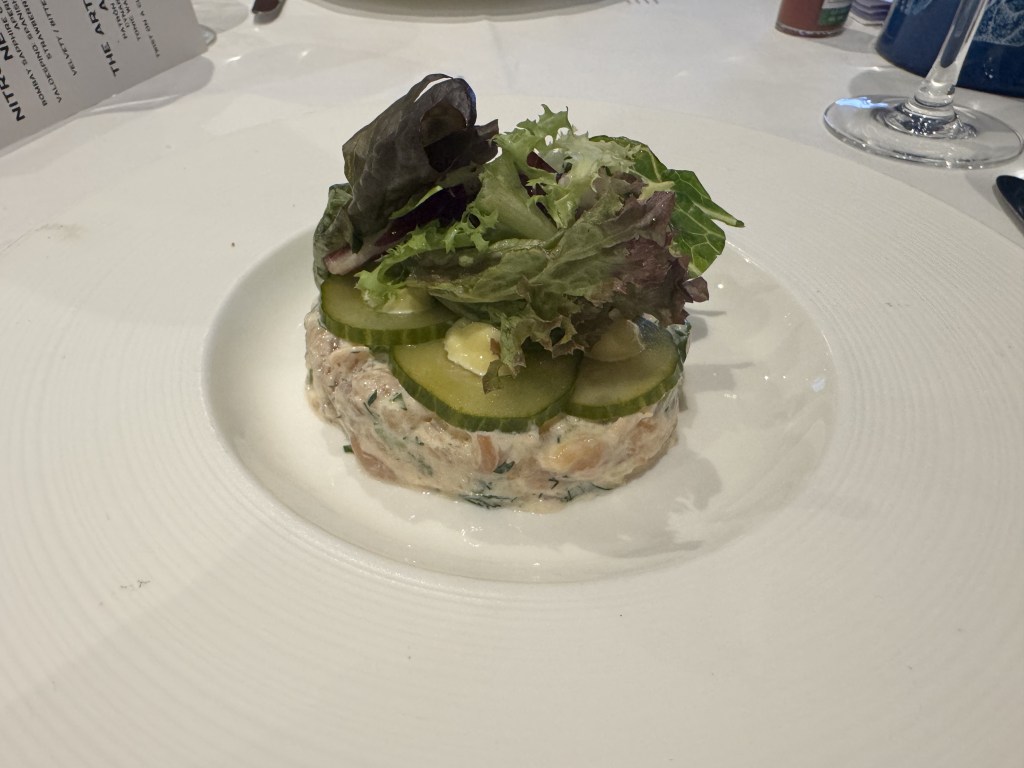
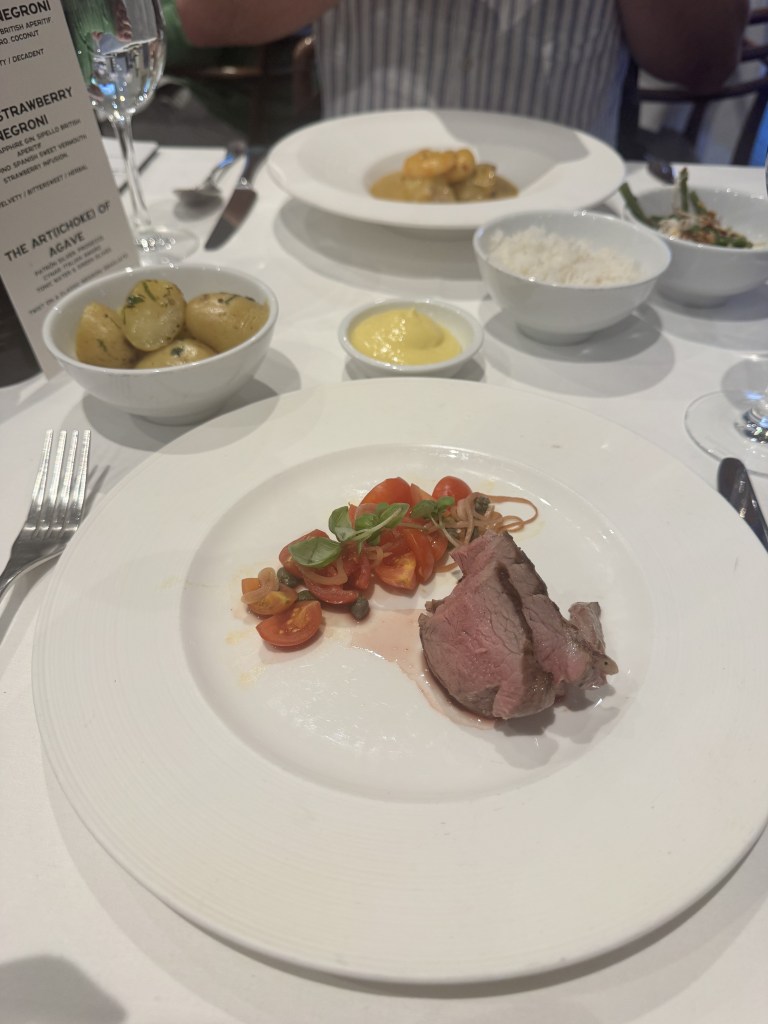
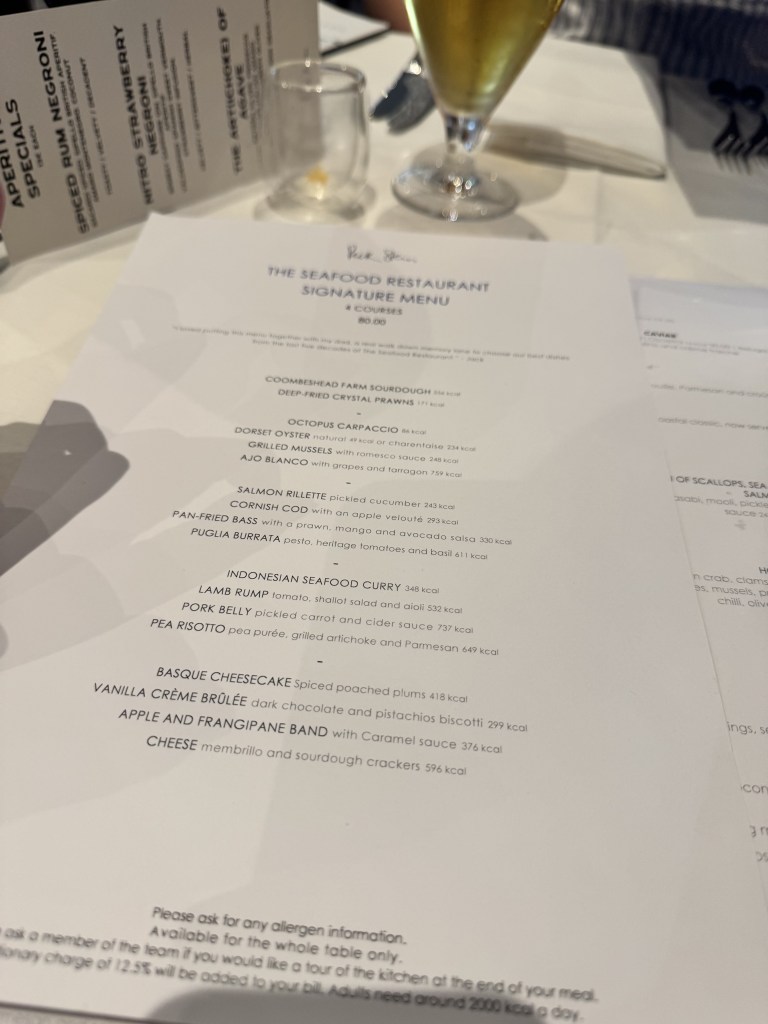
Every course was beautifully prepared, and we had a wonderful evening. It was certainly one of the more memorable dining experiences of our holiday and a lovely way to finish our first week exploring Cornwall.
Day 8: Cotehele, Lanhydrock and the Arrival of Mum and Dad
Our eighth day began with a visit to Cotehele, a National Trust property that I absolutely loved. The historic house has a wonderful atmosphere, and wandering through its rooms really does feel like stepping back in time. I particularly enjoyed the sense of history throughout the building, and it’s somewhere I’d happily return to explore again.
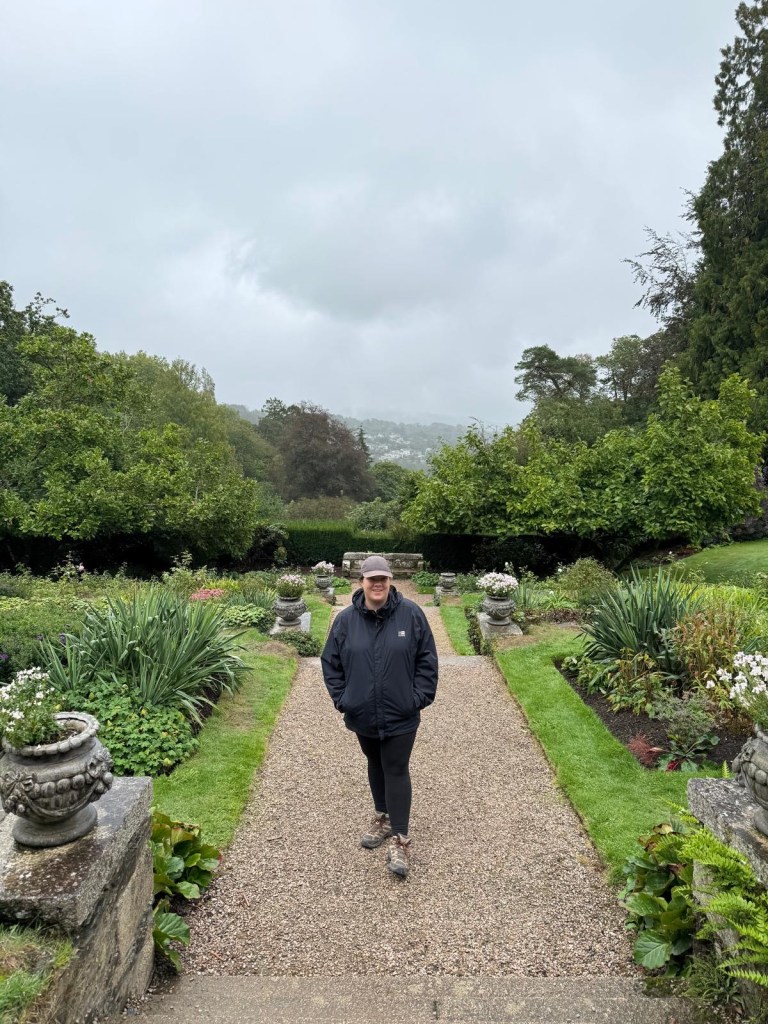
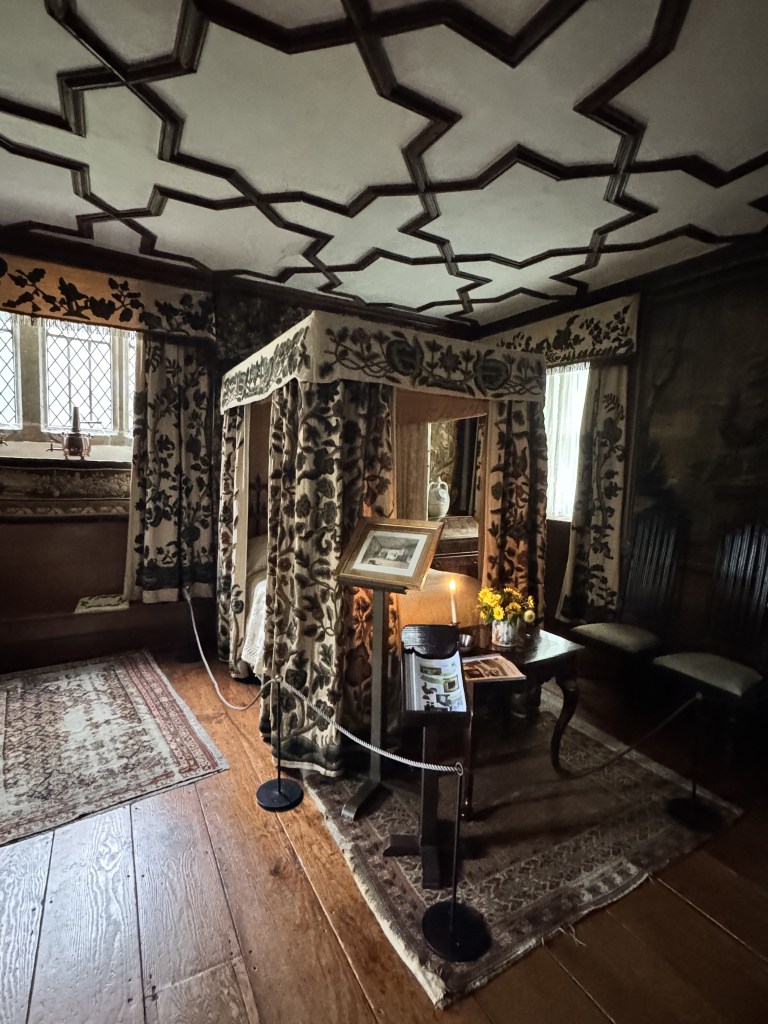
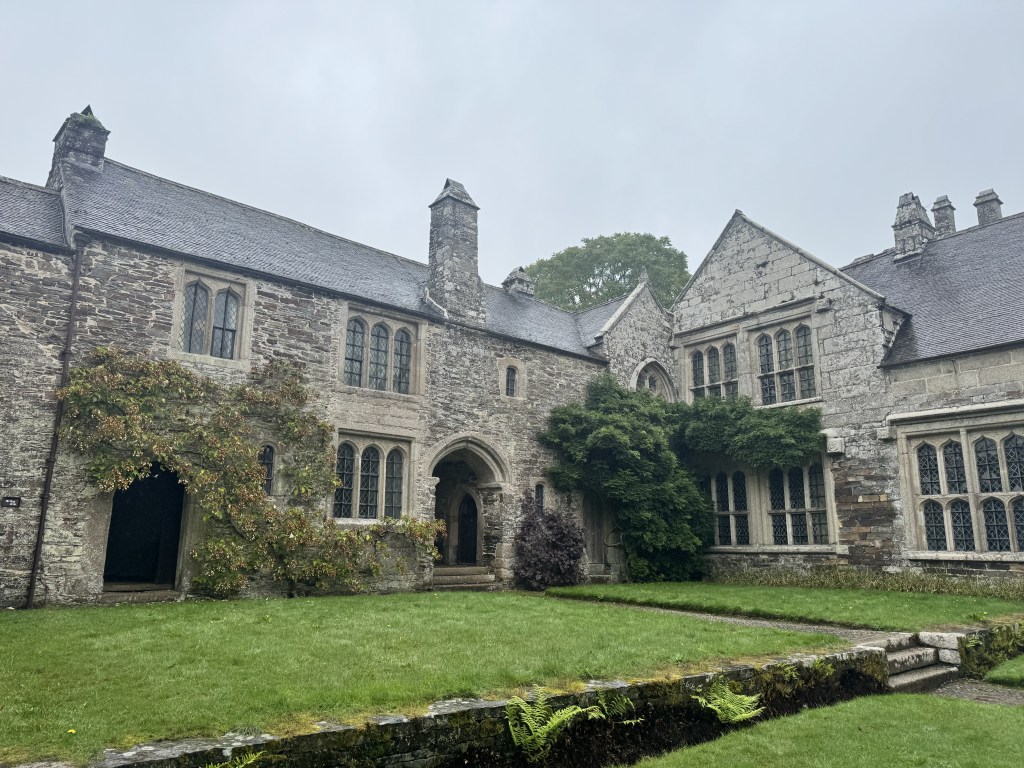
Afterwards, we headed to Lanhydrock, another National Trust property that turned out to be one of the most impressive houses we’d visited during the holiday.
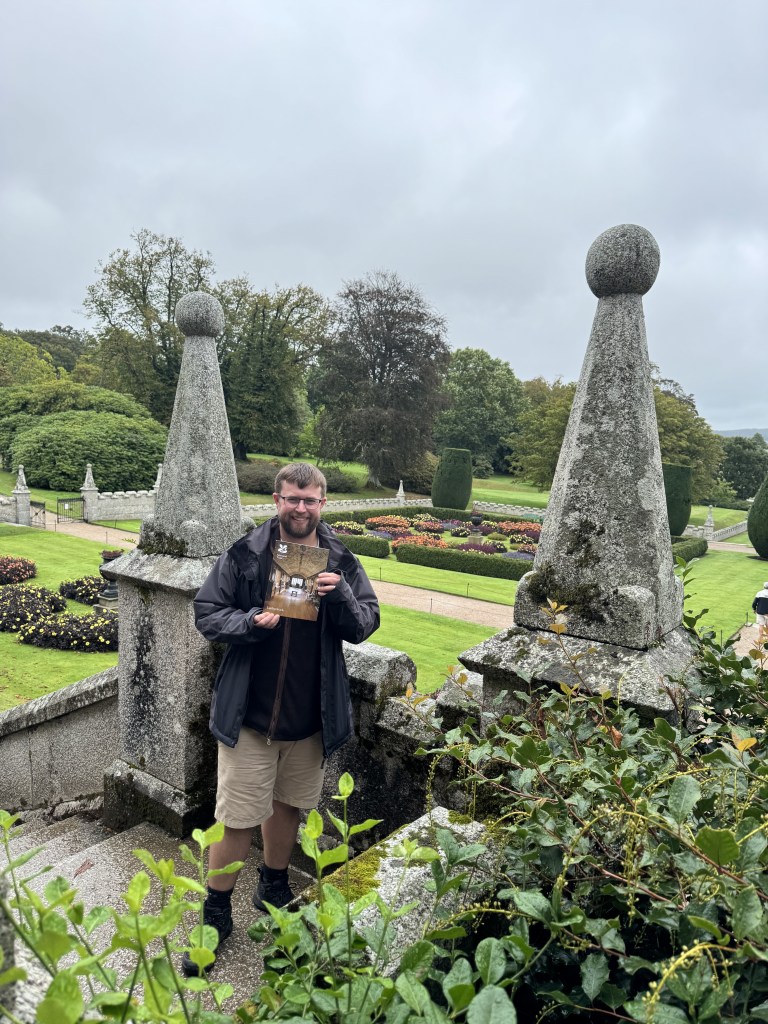
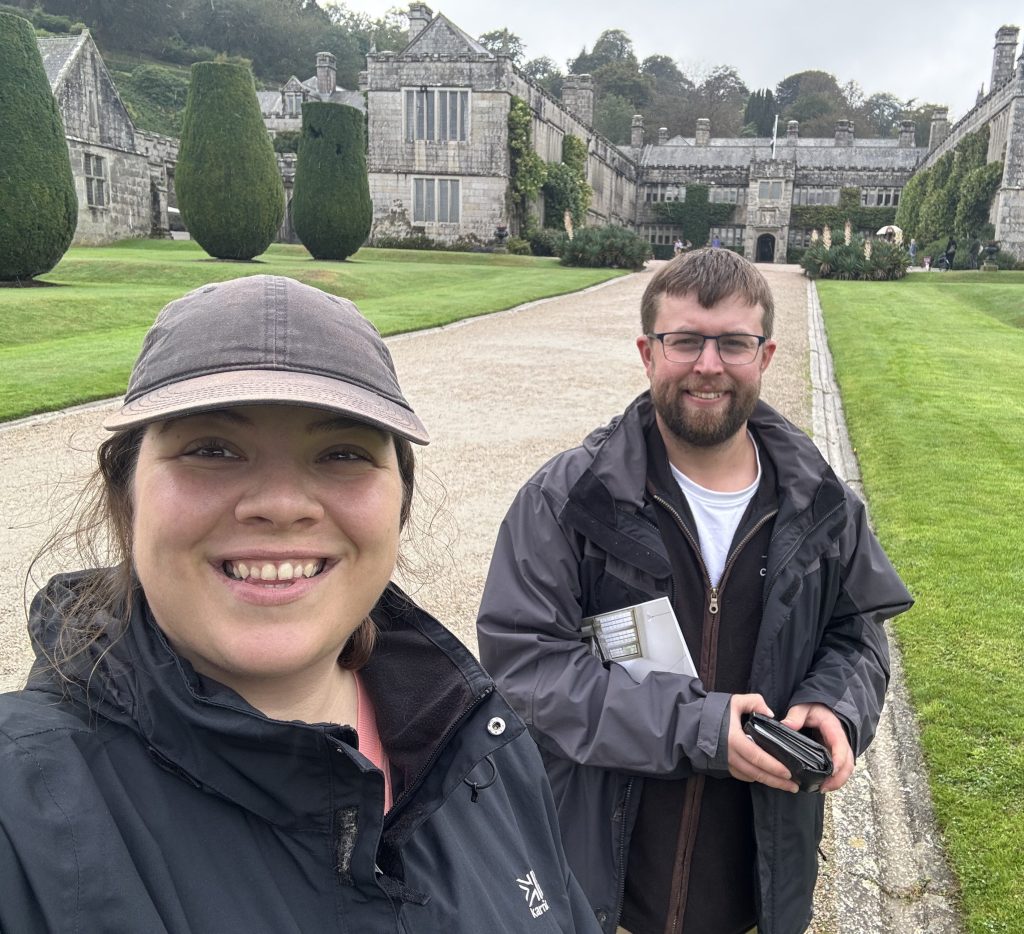
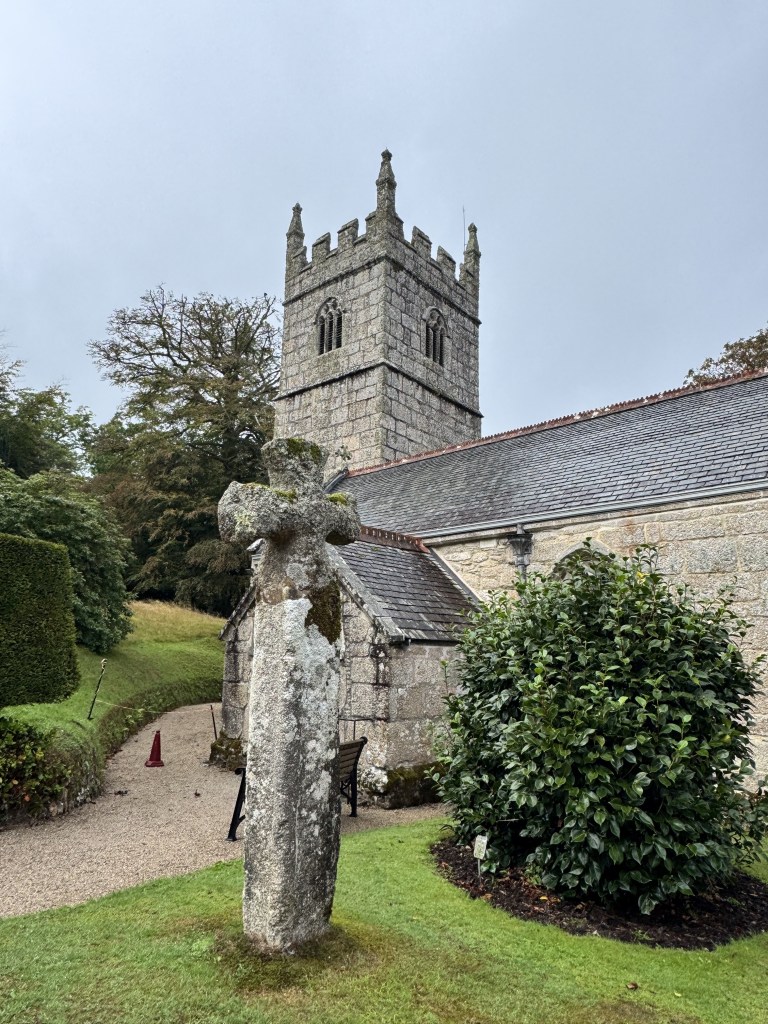
We arrived a little later than we’d originally intended, but a particularly lovely member of staff at the entrance offered to drive us down towards the house. Unfortunately, I didn’t catch his name, but he was absolutely brilliant and gave us what felt like a miniature guided tour along the way. It’s little interactions like that which can make a visit particularly memorable, and we were really grateful for his kindness.
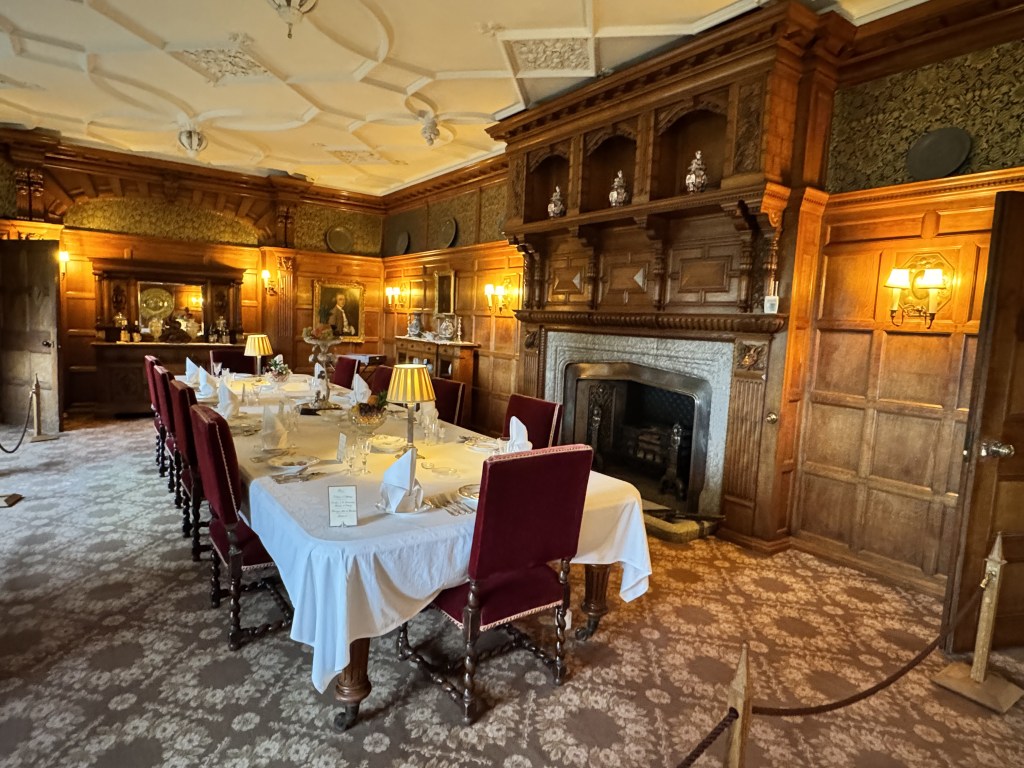
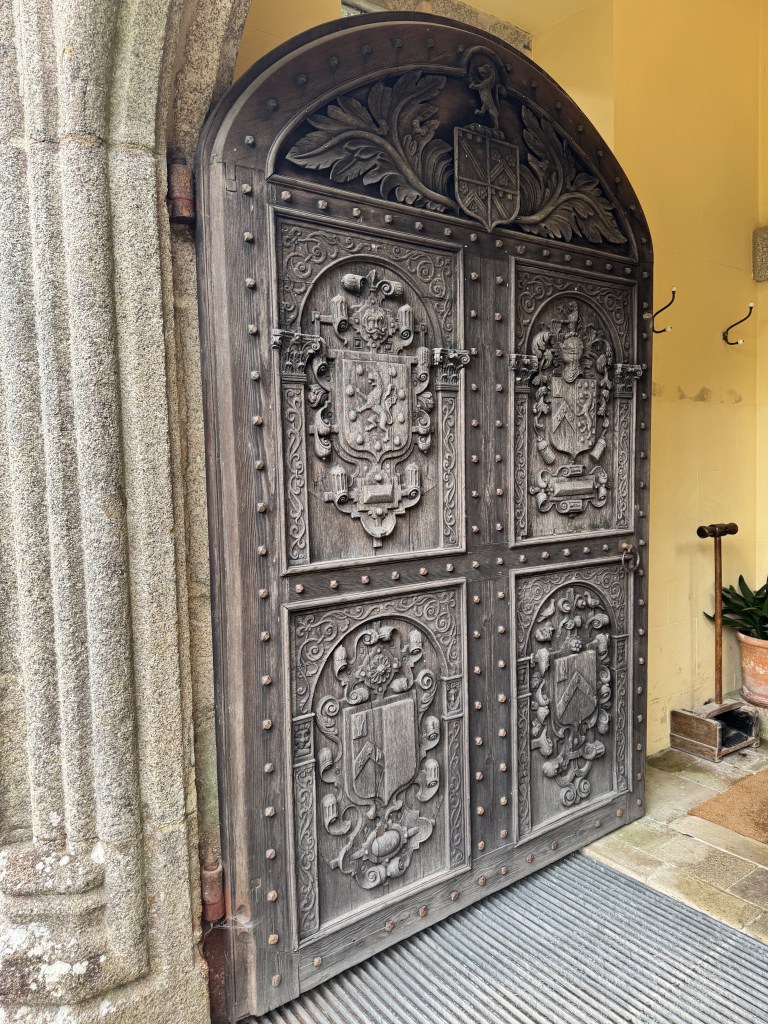
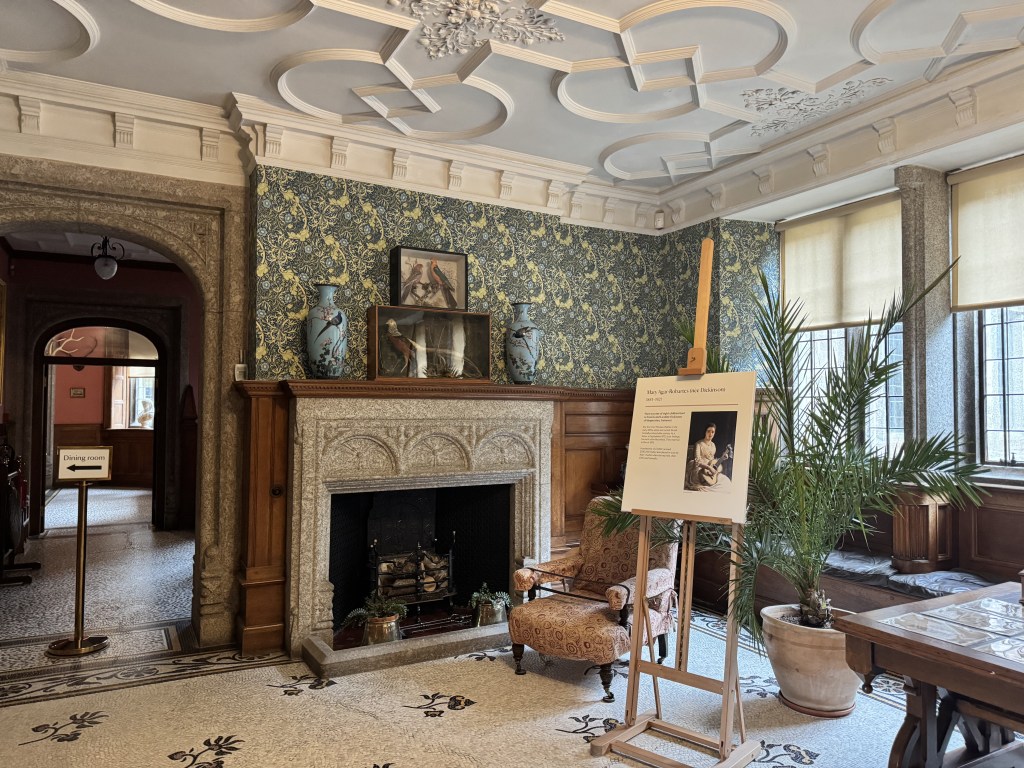
Lanhydrock itself was incredible. The house has several different areas to explore, including the main rooms, kitchens and nursery, and there’s so much to see that you could easily spend hours there. The gallery was particularly impressive, and I was amazed by the scale and detail of the interiors.
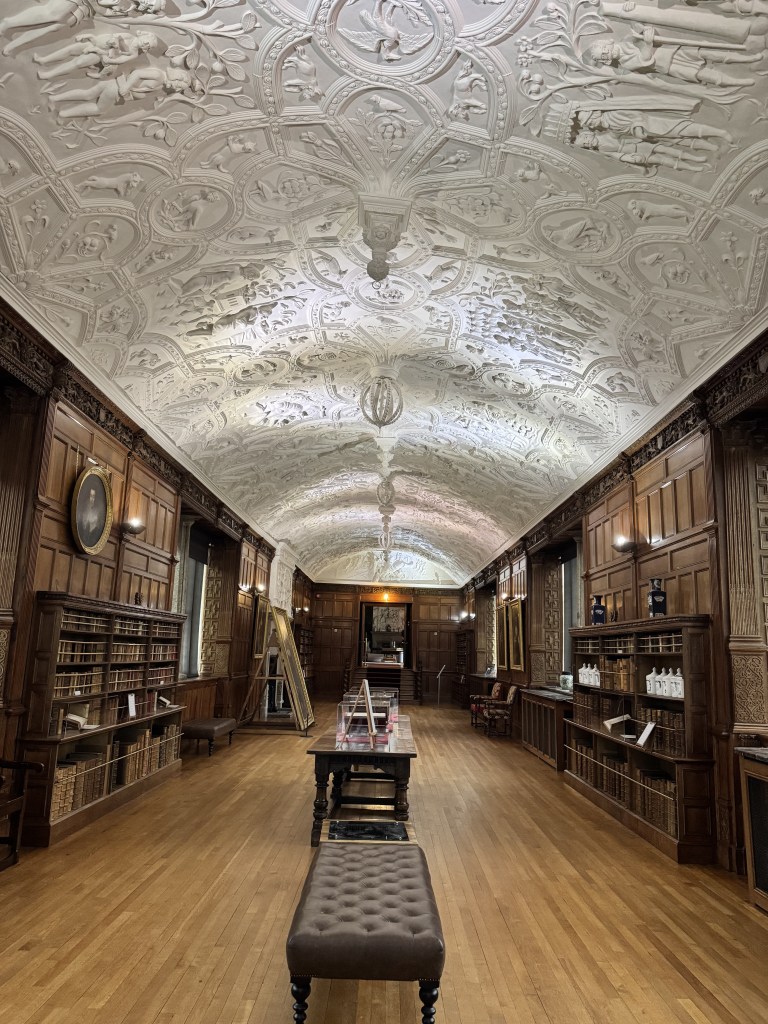
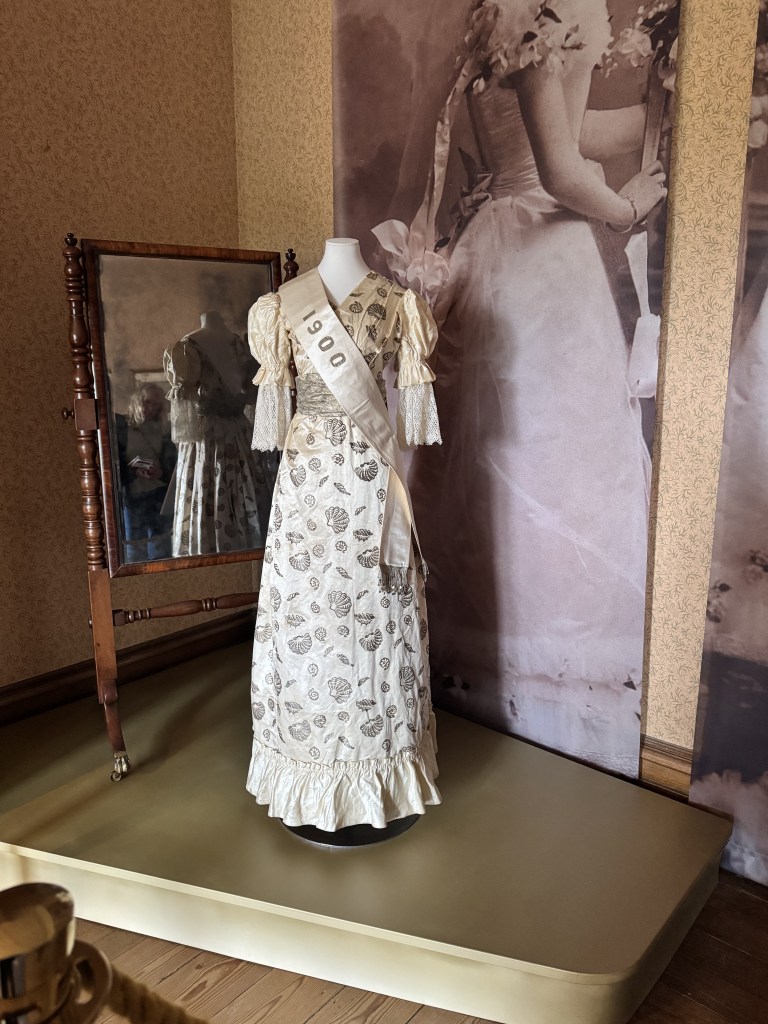
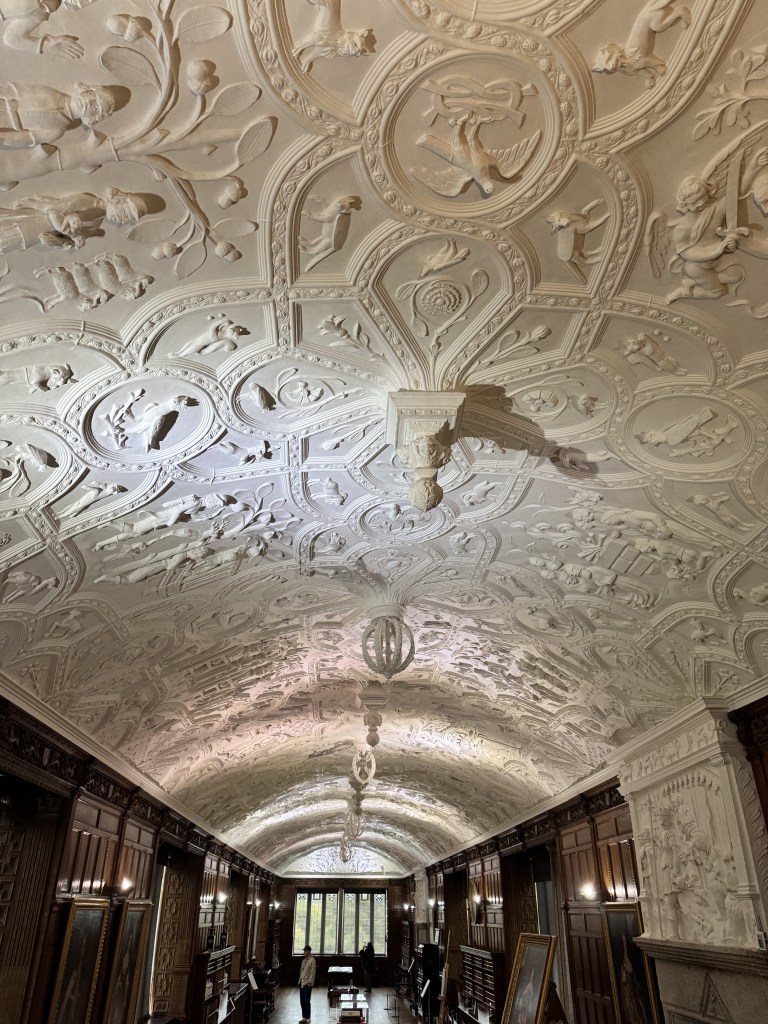
Unfortunately, because we’d arrived later than planned, we didn’t have as much time as we’d have liked. It’s definitely somewhere we’d return to, particularly as I felt there was still plenty left for us to discover.
That evening, Mum and Dad arrived in Launceston, ready to join us for the second half of the holiday. We decided to head to The White Horse Inn for dinner, which turned out to be a pleasant local pub with a lovely lady working behind the bar. The food was reasonably priced and perfectly enjoyable, although not particularly extraordinary. After a busy day exploring historic houses, it was nice to have a relaxed evening catching up and talking about our plans for the week ahead.
Day 9: Launceston Castle, Duckpool and Cornwall’s Ancient Stones
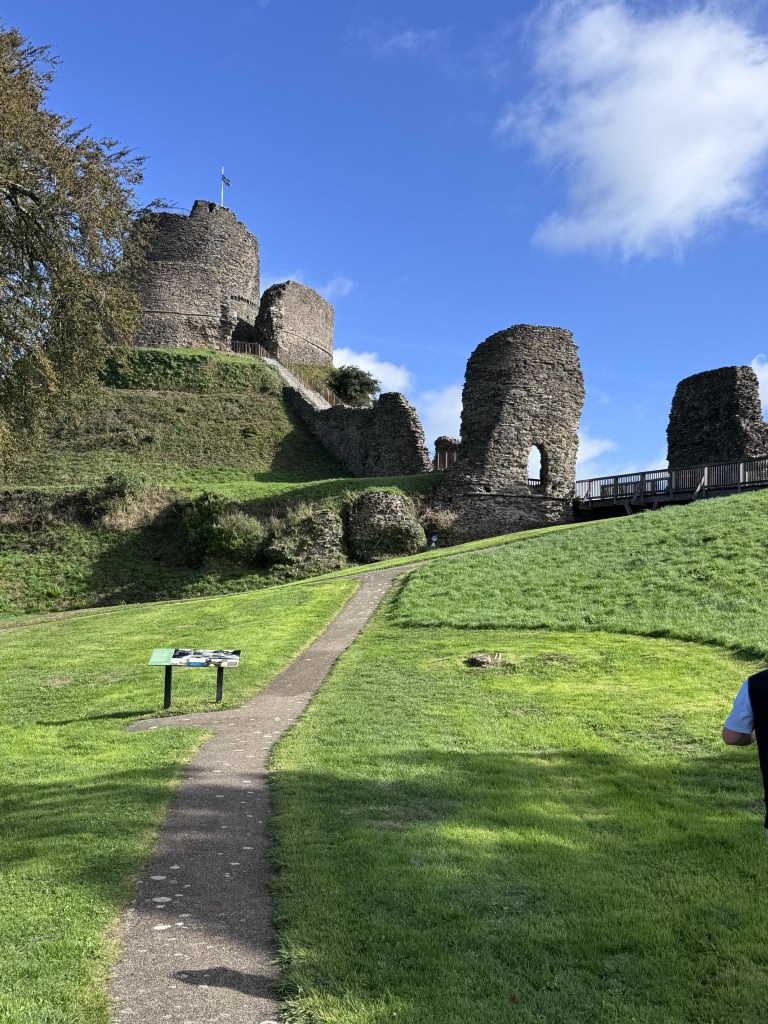
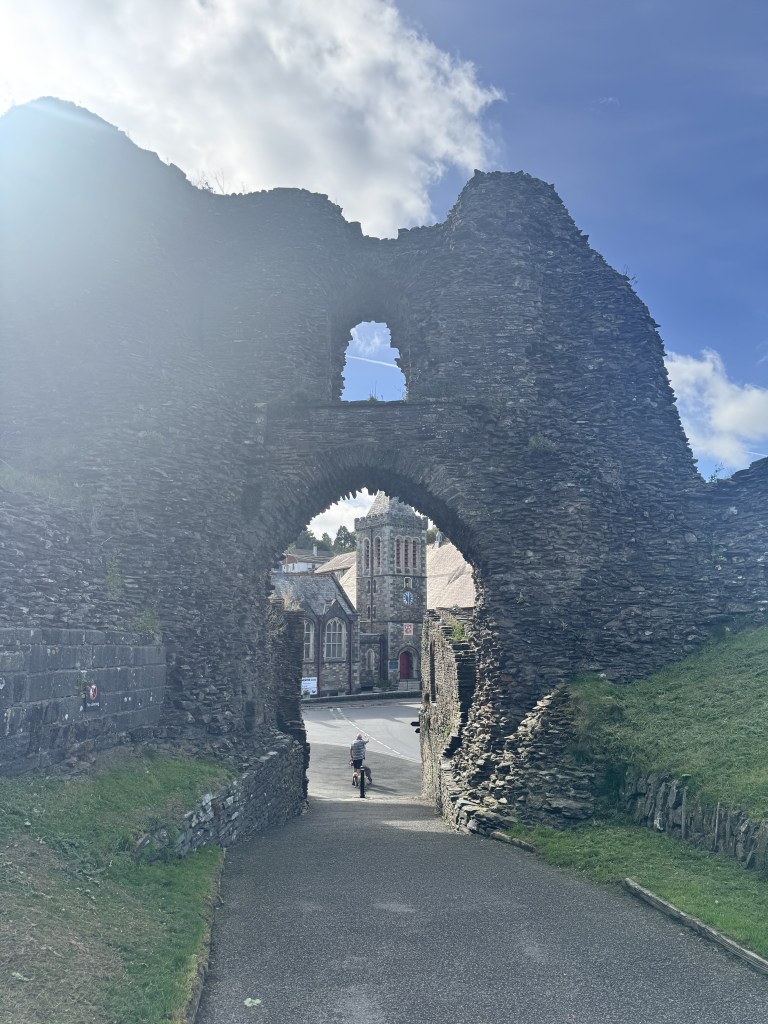
Our first full day with Mum and Dad began at Launceston Castle, which was conveniently located next to The Eagle House Hotel where they were staying. It’s a fantastic historic landmark overlooking the town, and the climb to the top rewards you with wonderful views across the surrounding countryside.
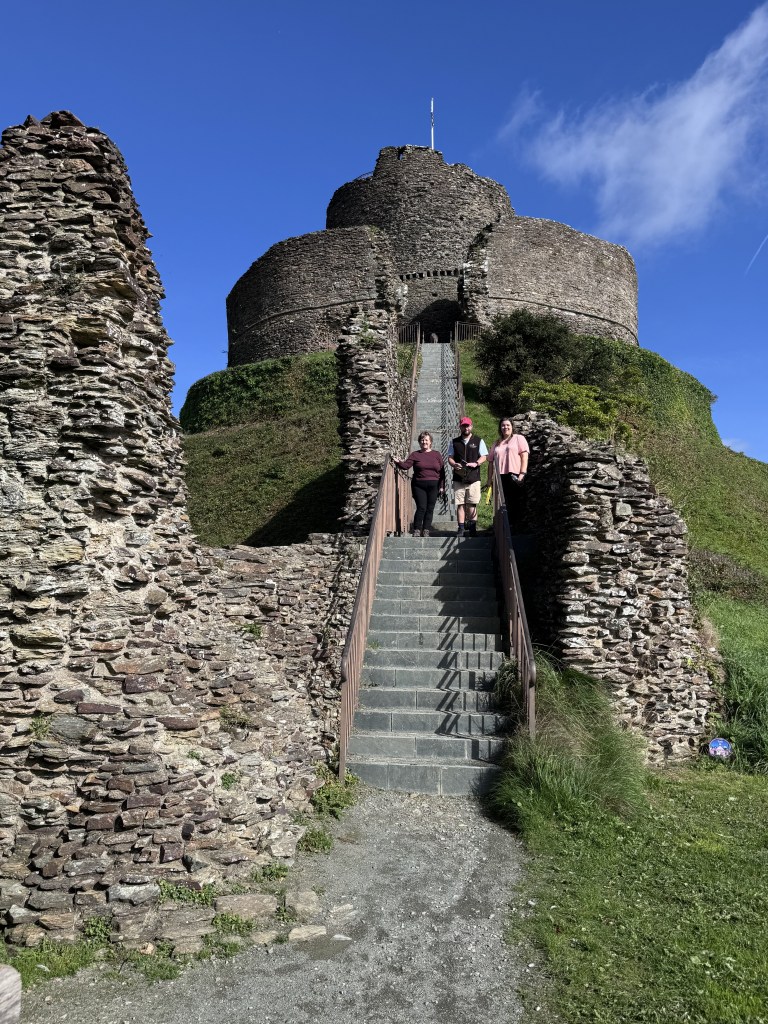
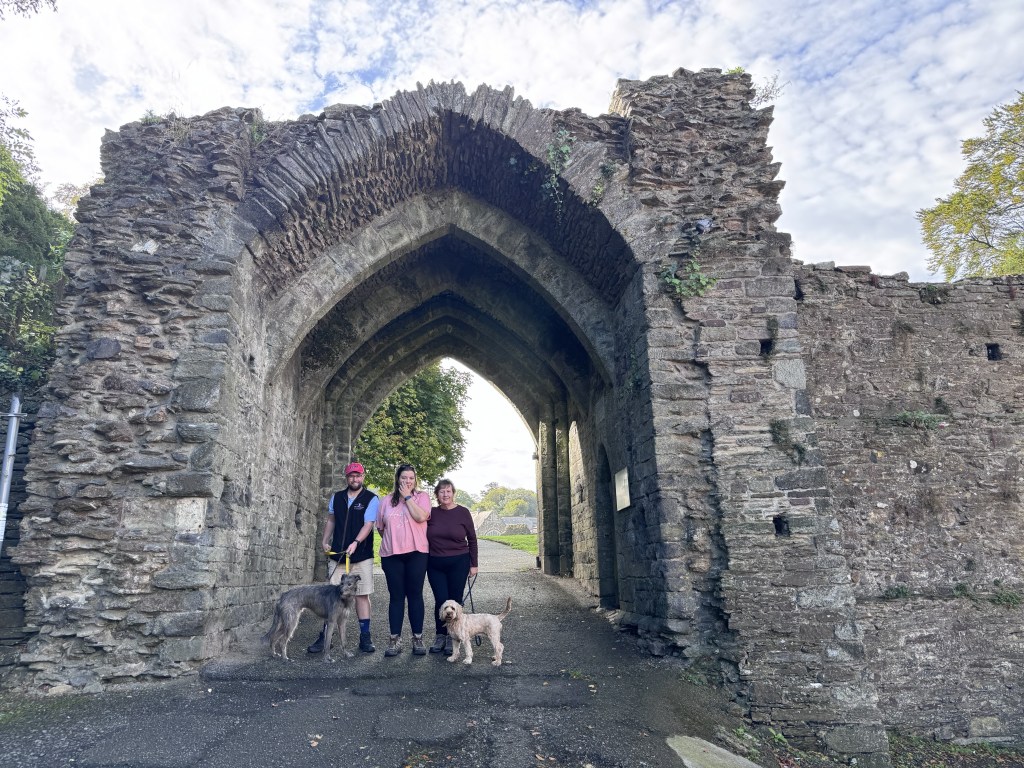
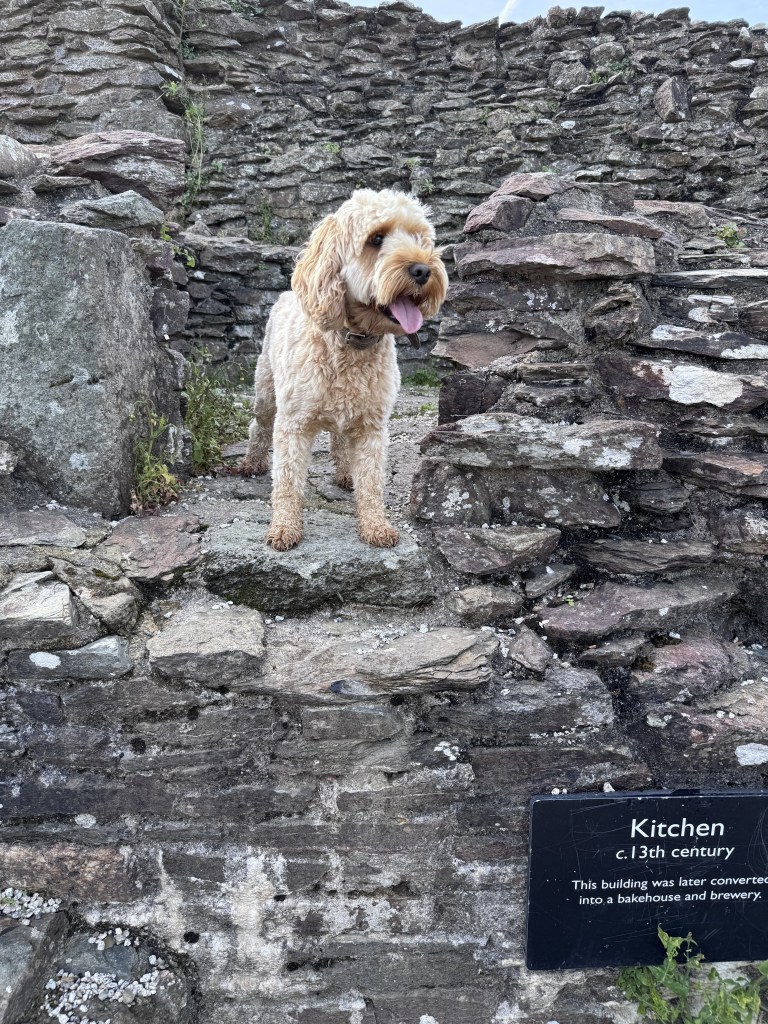
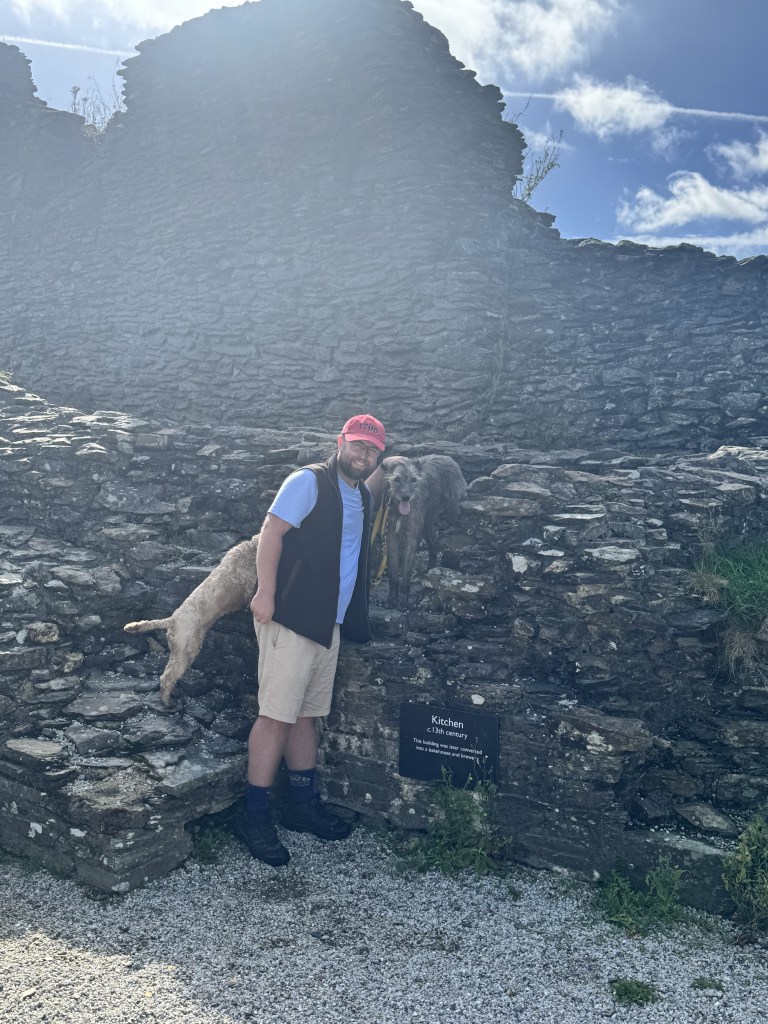
It was also a good opportunity for Eddie and Whisky to stretch their legs and enjoy some exploring of their own. With the dogs joining us for the second week, we were trying to balance our love of historic places with somewhere they could enjoy too.
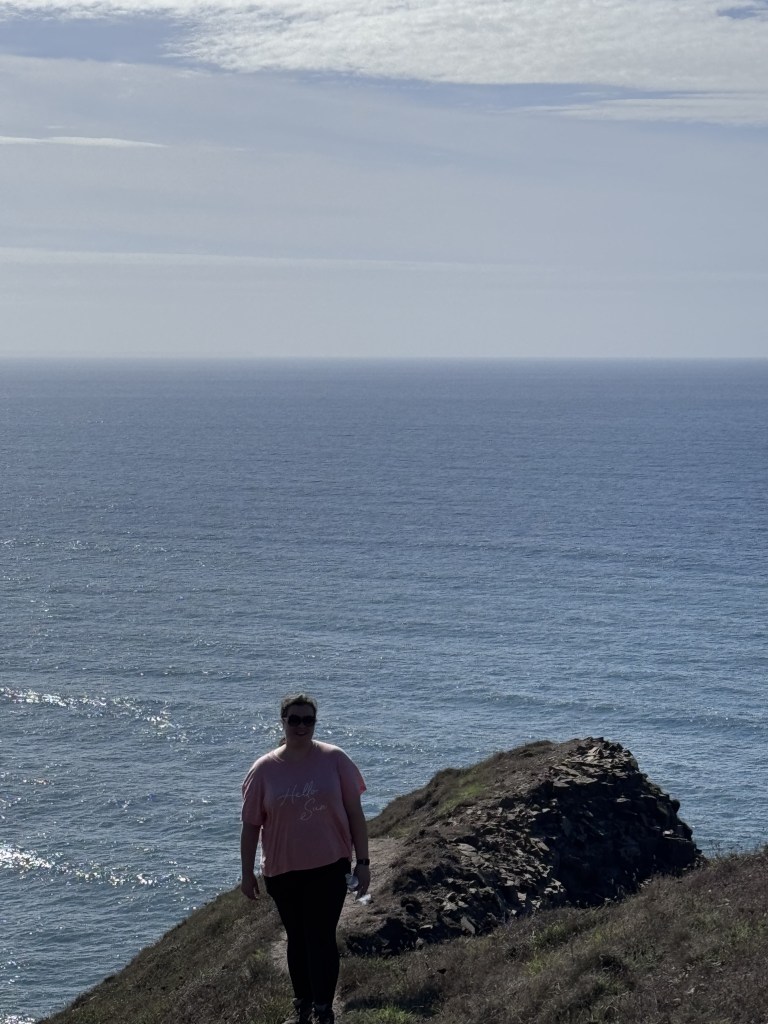
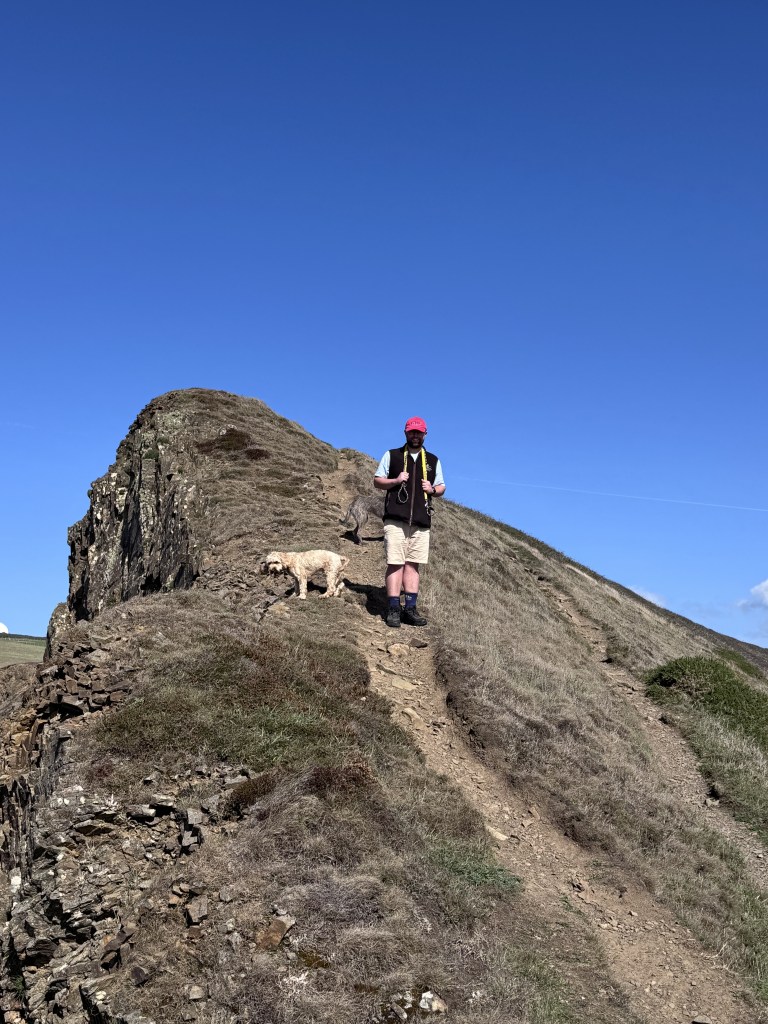
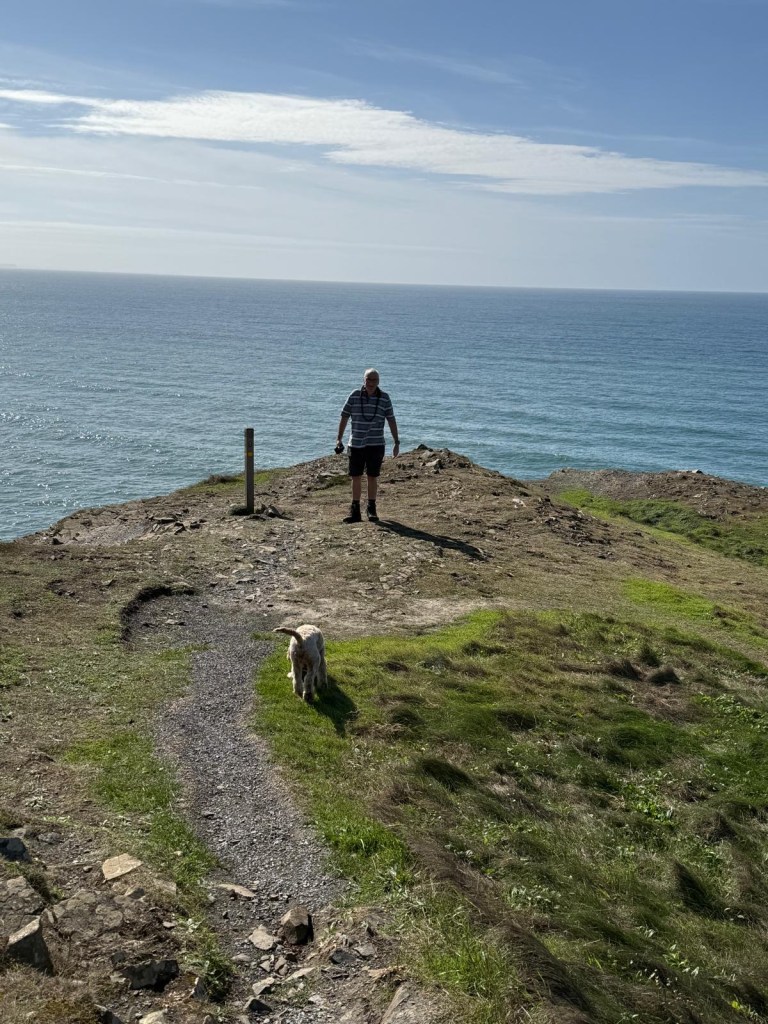
Afterwards, we headed towards Duckpool Beach, hoping it might be a little quieter than some of Cornwall’s better-known coastal spots. Unfortunately, we’d underestimated its popularity, and there were plenty of surfers enjoying the waves when we arrived. It was still a lovely place to visit, though, and we decided to explore some of the surrounding cliffs.
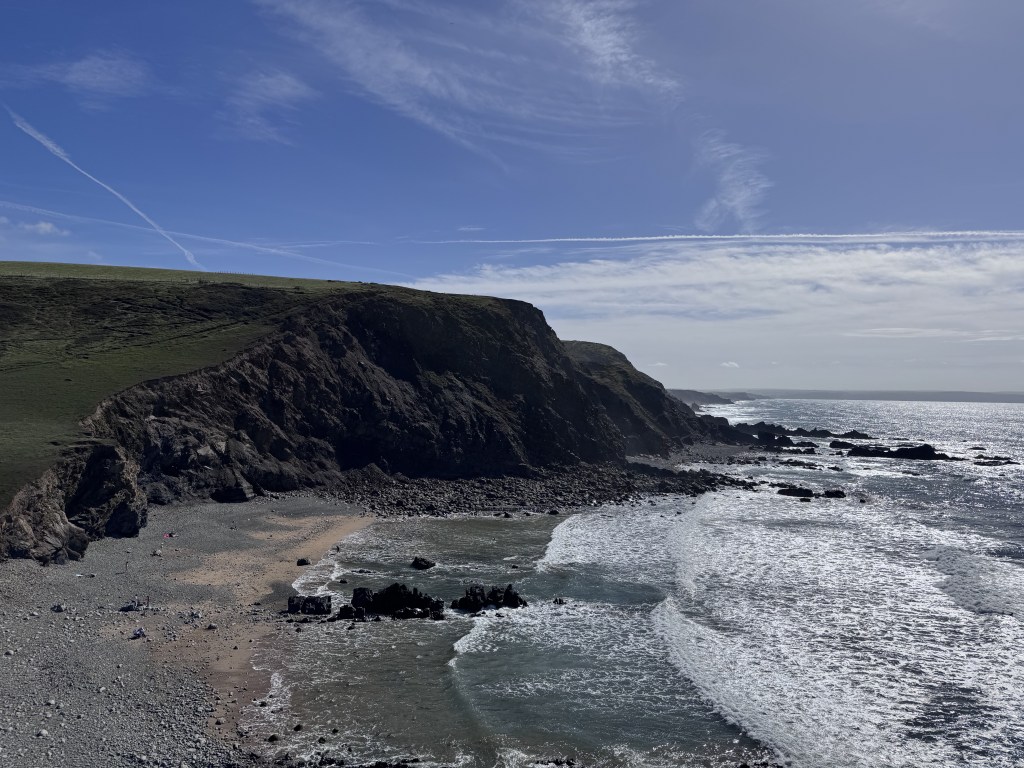
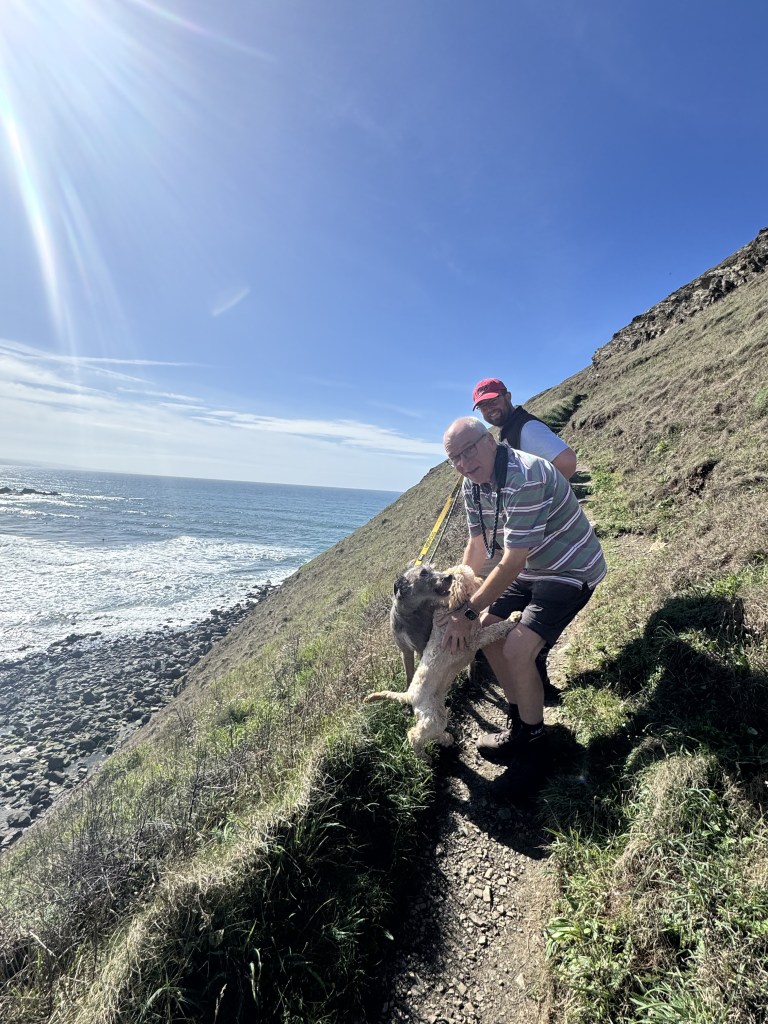
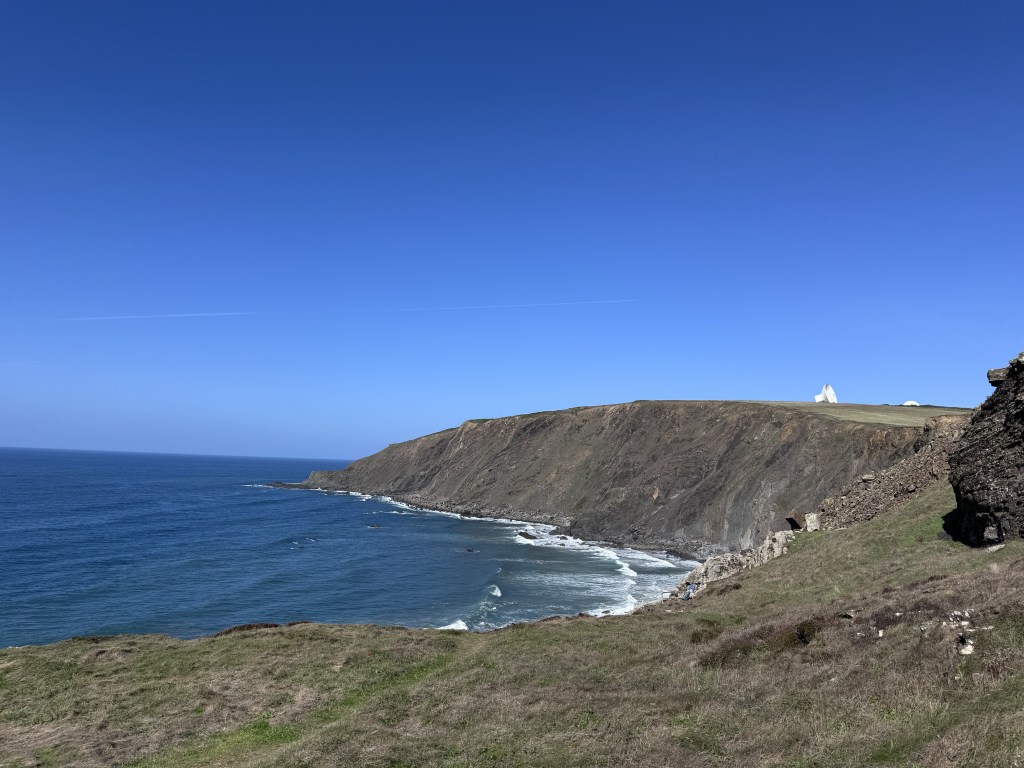
Naturally, this involved a bit of climbing and scrambling, which by this point in the holiday was becoming something of a recurring theme. Mum decided to stay near the car and watch the rest of us make our way up, which was probably the more sensible decision!
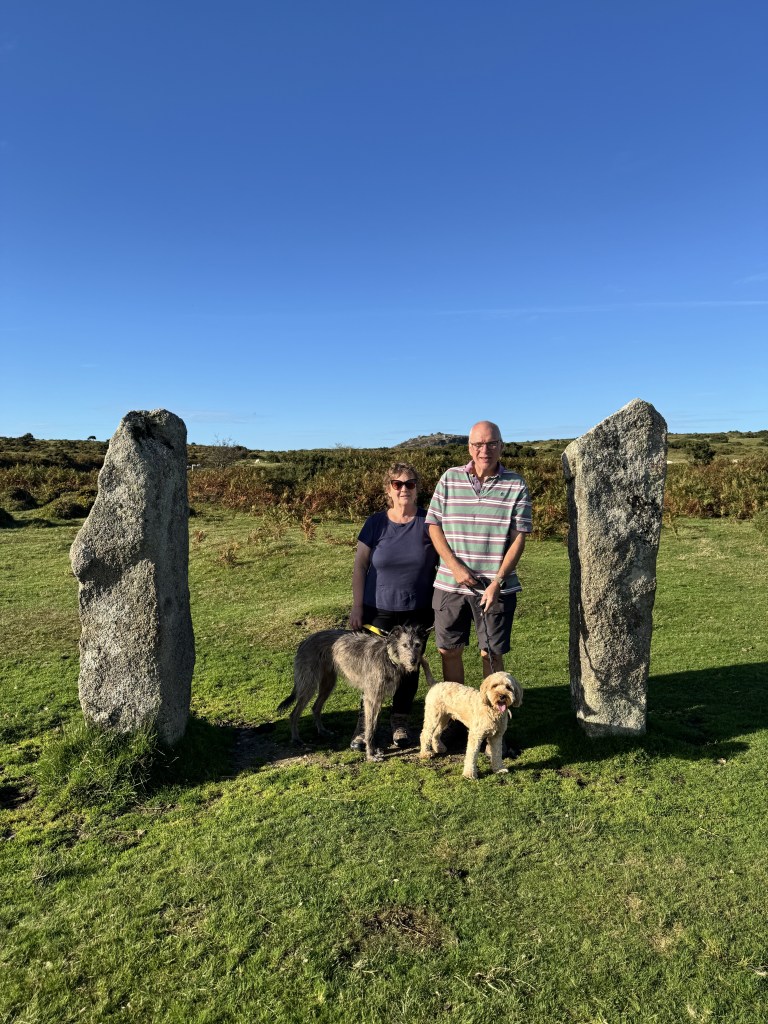
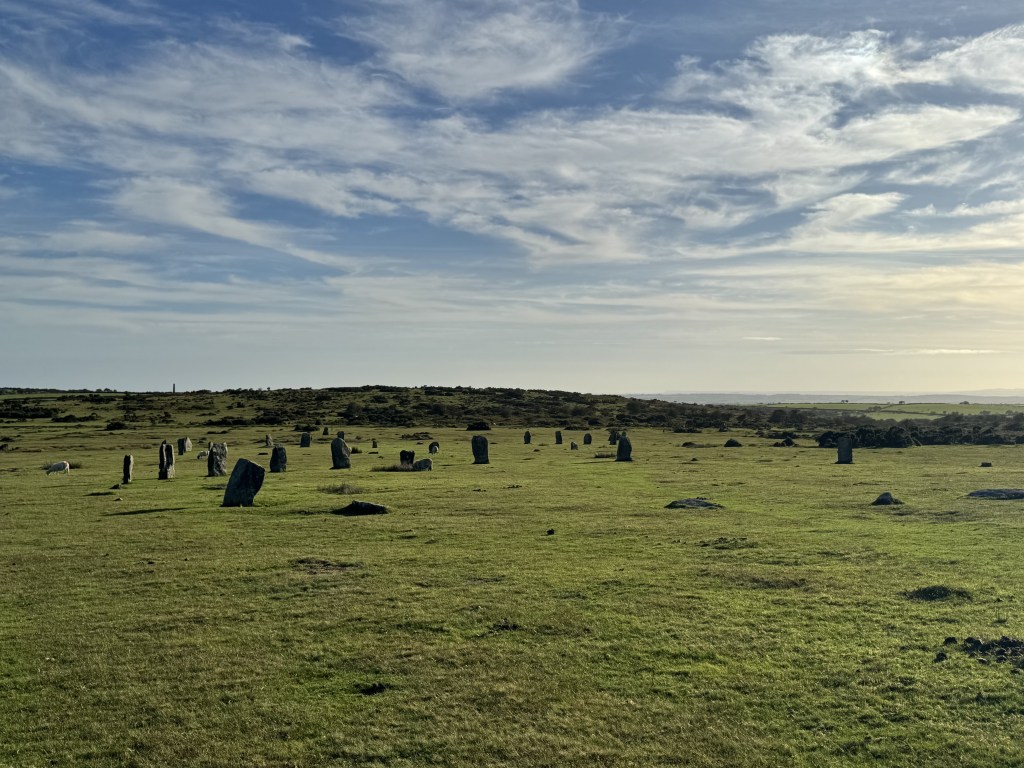
Our next stops took us back into Cornwall’s prehistoric past, beginning with The Pipers Standing Stones and The Hurlers Stone Circles. The weather was beautiful, with plenty of sunshine, which made exploring the open landscape particularly enjoyable. There’s something fascinating about these ancient monuments, especially when you consider how long they’ve stood in the same place and how little we know for certain about the people who created them.
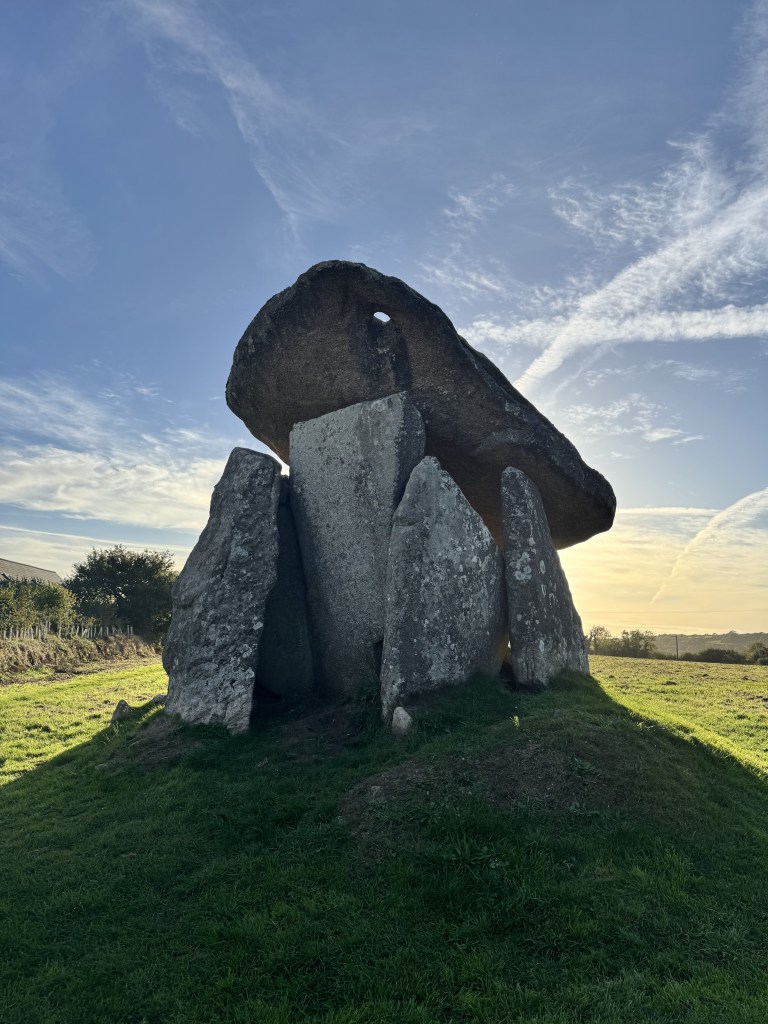
We finished this part of the day at Trethevy Quoit, an extraordinary prehistoric burial chamber constructed from enormous slabs of stone. It’s quite difficult to comprehend how people managed to position such huge stones thousands of years ago, and the structure almost looks as though a giant has casually thrown a few rocks together.
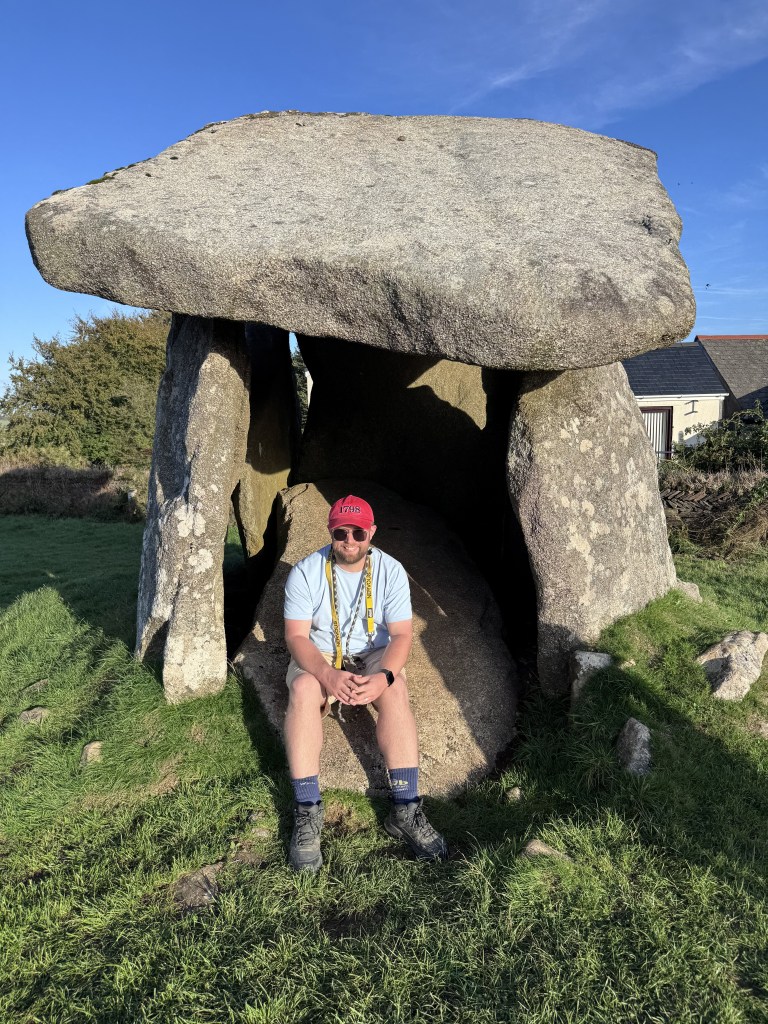
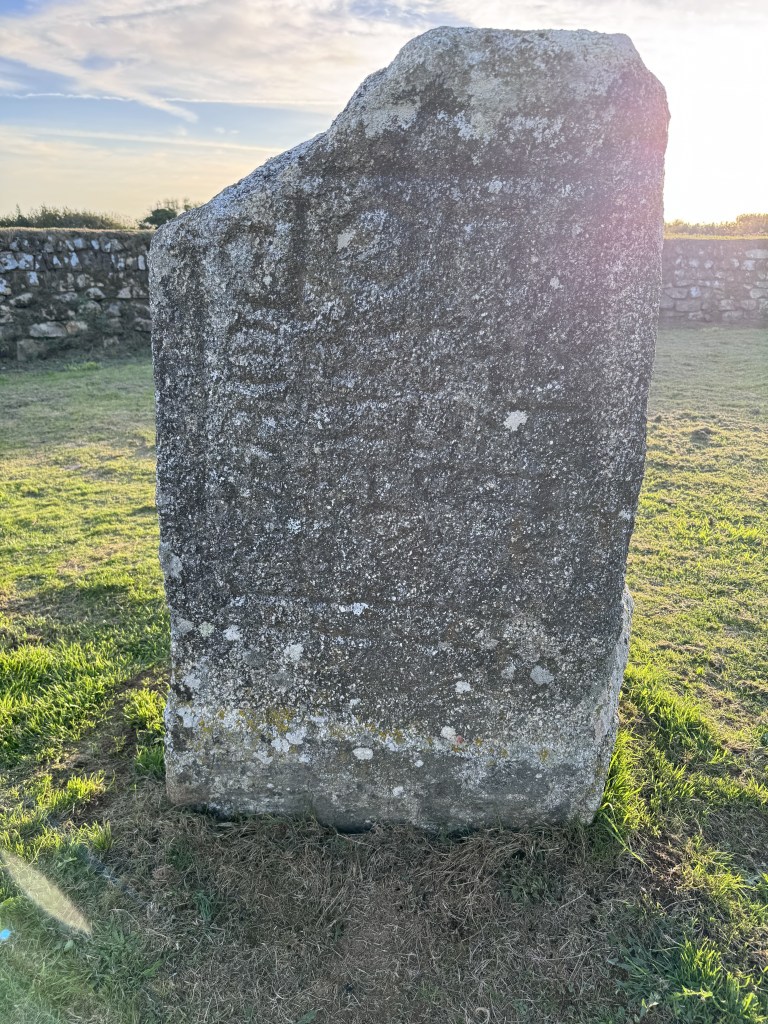
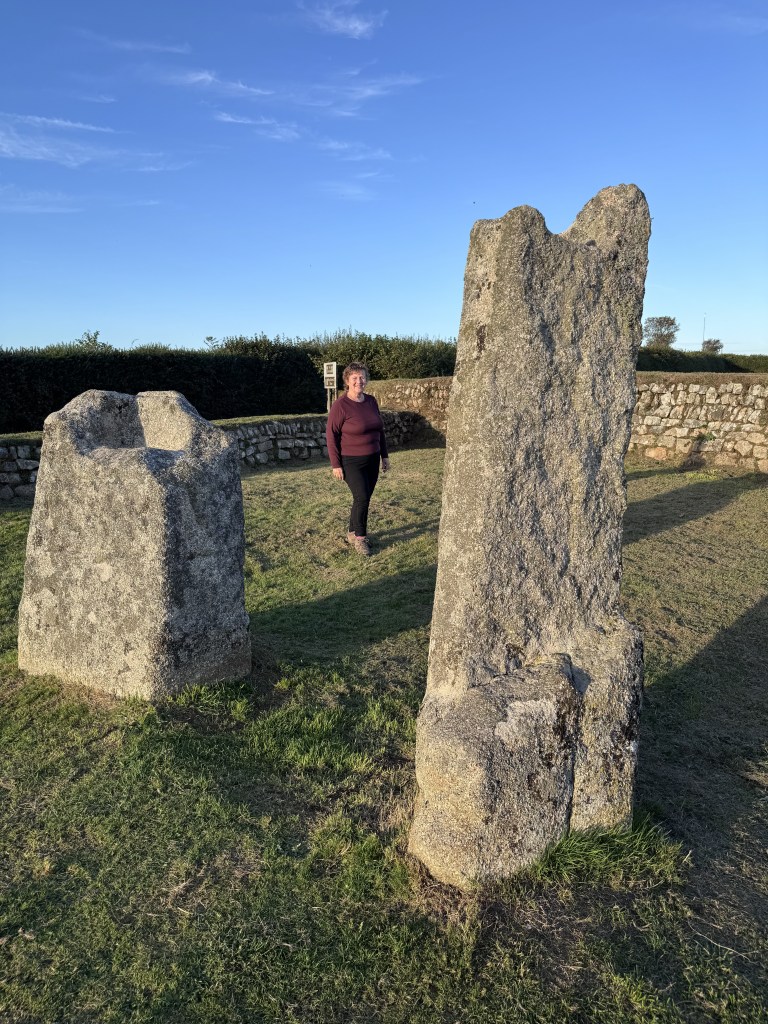
We also came across King Doniert’s Stone – a 9th century Celtic cross! A very interesting site on the side on the road. I love coming across unusual historic sites like this, particularly when they’re so different from the castles and manor houses we usually visit.
Day 10: St Austell Brewery, St Catherine’s Castle and an Evening at Porthcurnick Beach
We started our tenth day with slightly different plans. Luke and Dad were heading off for a tour of St Austell Brewery, while Mum and I decided to have a more relaxed morning with Eddie and Whisky.
The boys had an absolutely fantastic time at the brewery, which was lovely to hear, especially as Luke has such an interest in beer. Meanwhile, Mum and I enjoyed taking the dogs for a walk before settling down for a tea and coffee in the café. After such a busy holiday, it was quite nice to have a slower start to the day, particularly knowing that we’d be doing plenty more exploring later.
Once we were all back together, we headed towards Readymoney Cove, near Fowey, where the dogs finally had a proper opportunity to enjoy the sea. Eddie was absolutely delighted and had a fantastic swim, while Whisky was considerably less enthusiastic about the whole experience. It’s funny how differently dogs react to water, even when they’re visiting the same beach!
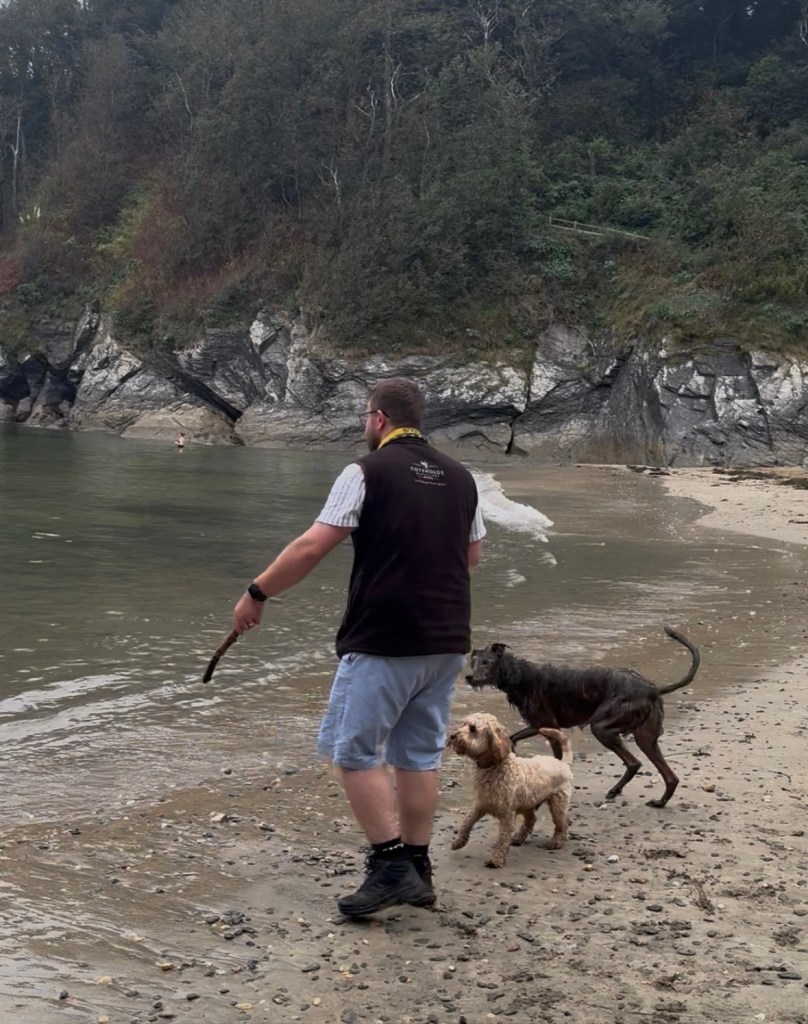
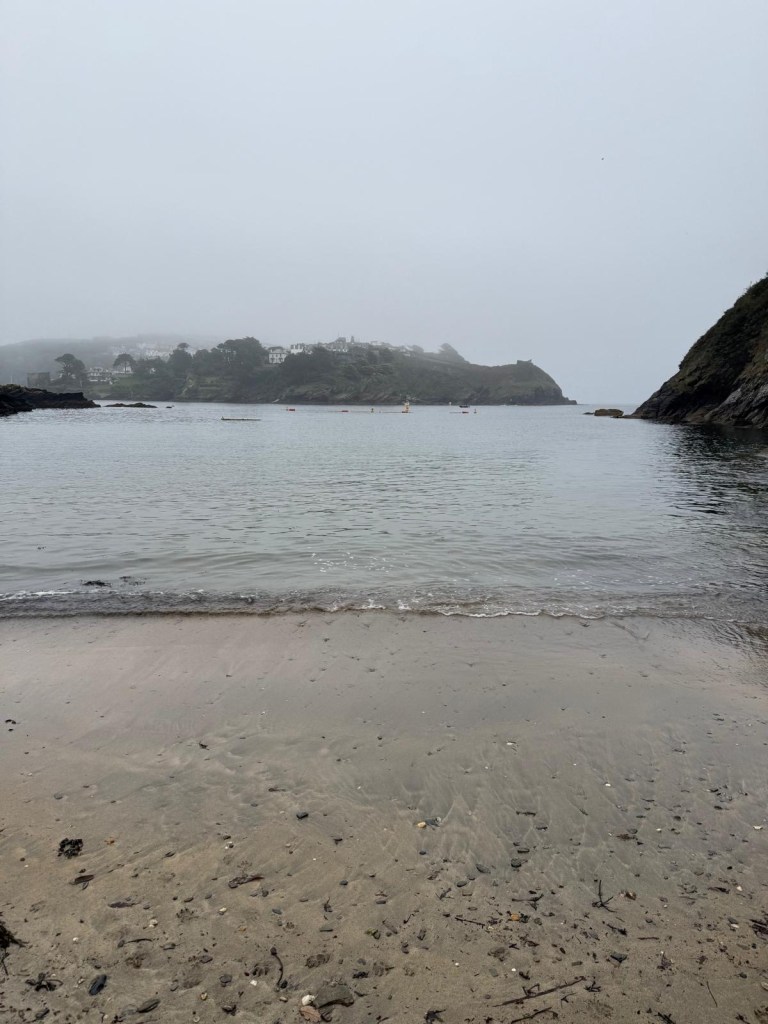
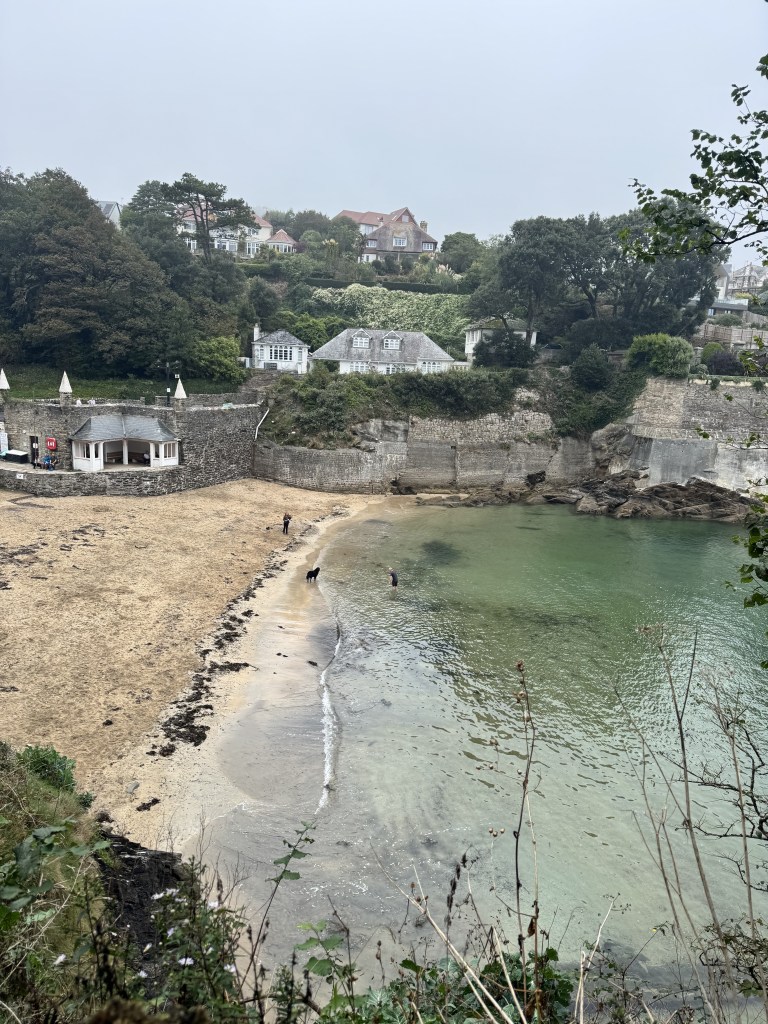
From the cove, we walked up towards St Catherine’s Castle, a small coastal fortification overlooking the entrance to Fowey Harbour. As with many of Cornwall’s historic sites, reaching it involved a fairly steep climb, although the surrounding scenery made the effort worthwhile. Unfortunately, I didn’t get any photos here! But can definitely say it’s worth the climb up to explore.
The castle itself isn’t particularly large, but its position is fantastic, and it’s easy to appreciate why it was built to protect the harbour. We enjoyed exploring the remains and taking in the views before heading back down.
Later, we decided to return to The Plume of Feathers for dinner, having enjoyed our previous visit so much. Thankfully, the food lived up to expectations for a second time, and Mum and Dad thoroughly enjoyed it too. It’s always a relief when you recommend somewhere enthusiastically and it turns out to be just as good the next time!
We finished the evening with a walk along Porthcurnick Beach, enjoying the coastal scenery before starting the long drive back to Launceston. It was a lovely way to end another busy day, although I think we were all ready to put our feet up by the time we eventually arrived back.
Day 11: Returning to Tintagel and Exploring Port Isaac
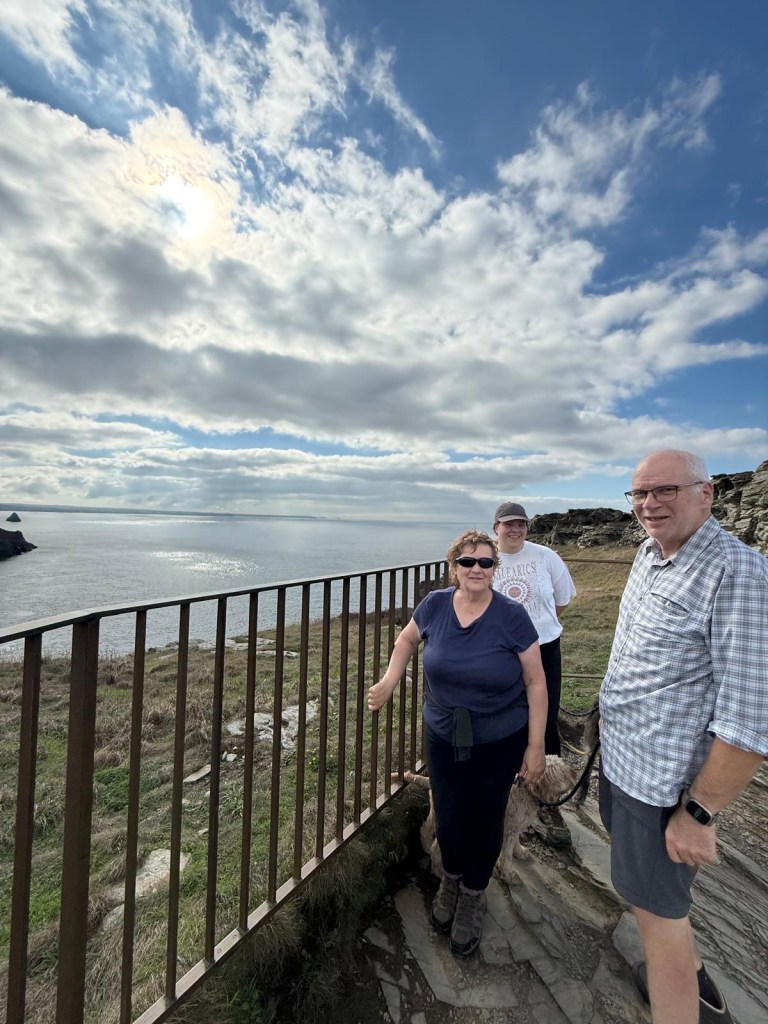
I loved Tintagel so much during our first visit that I was determined to return before the holiday ended. Fortunately, Mum and Dad were happy to join us, so we headed back for another look, this time in considerably better weather.
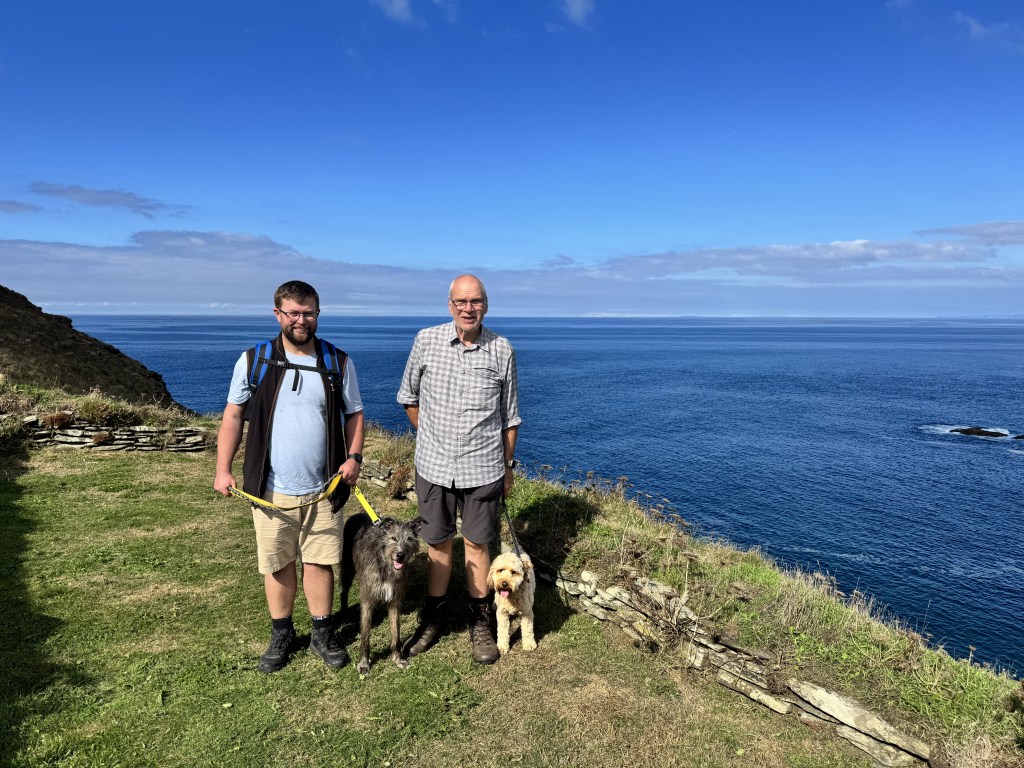
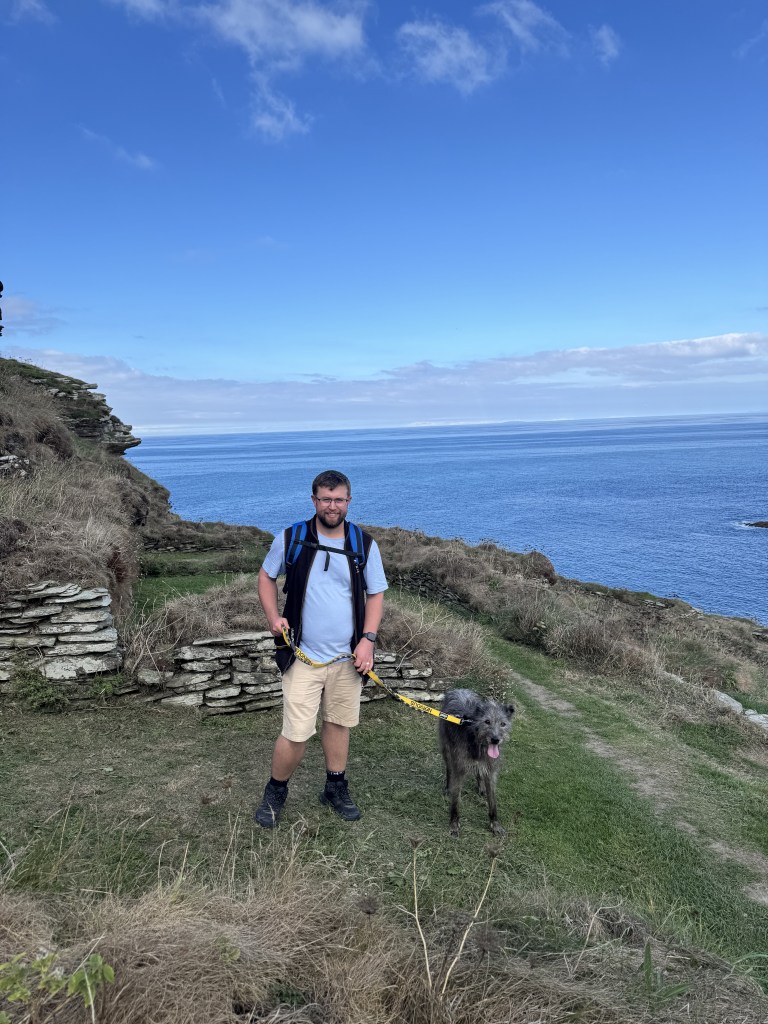
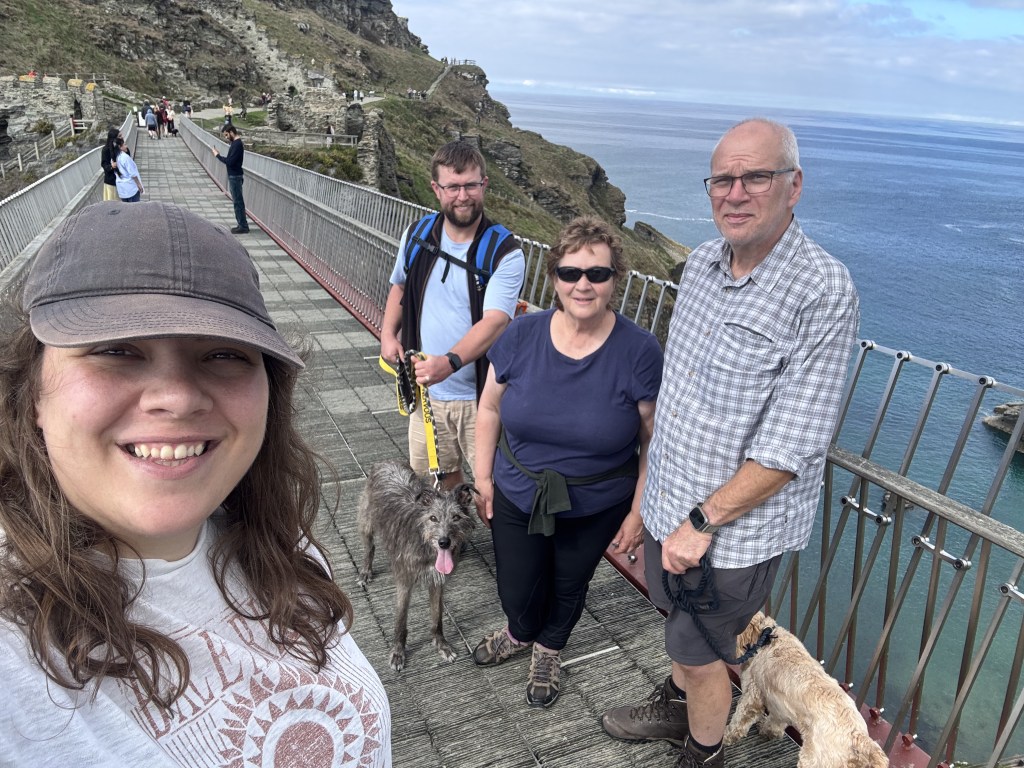
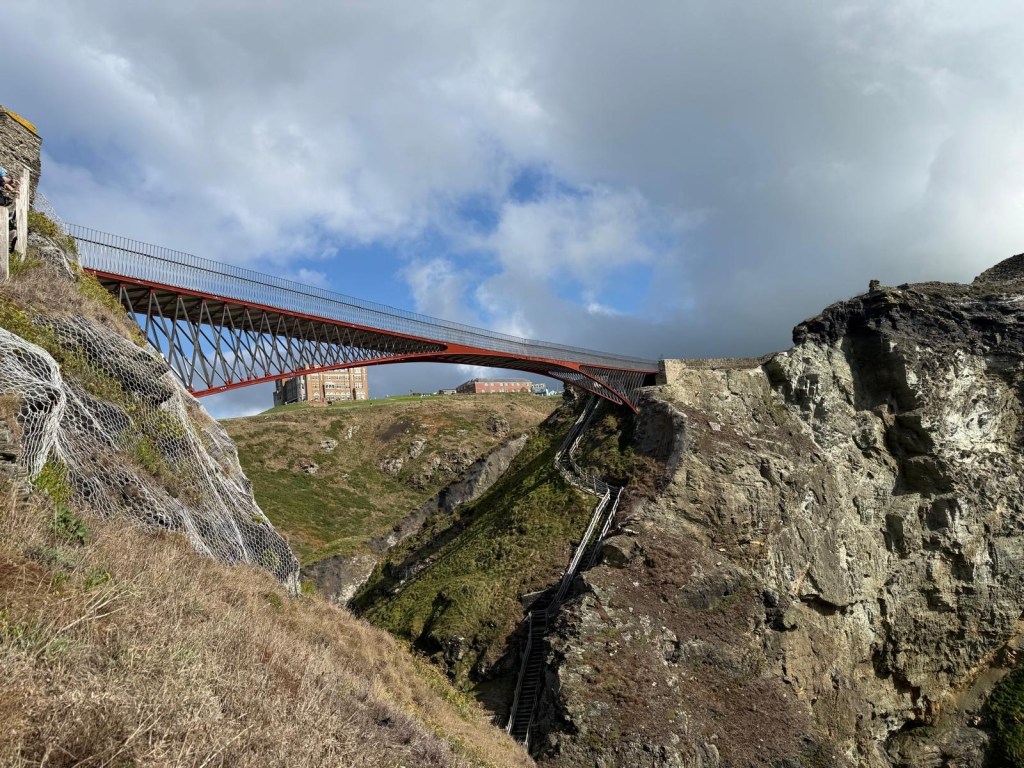
The difference was incredible. Where we’d previously experienced wind, rain and dramatic grey skies, we were now treated to sunshine that made the coastline look completely different. The sea looked beautiful, the views were spectacular, and it was wonderful to see the ruins in another light.
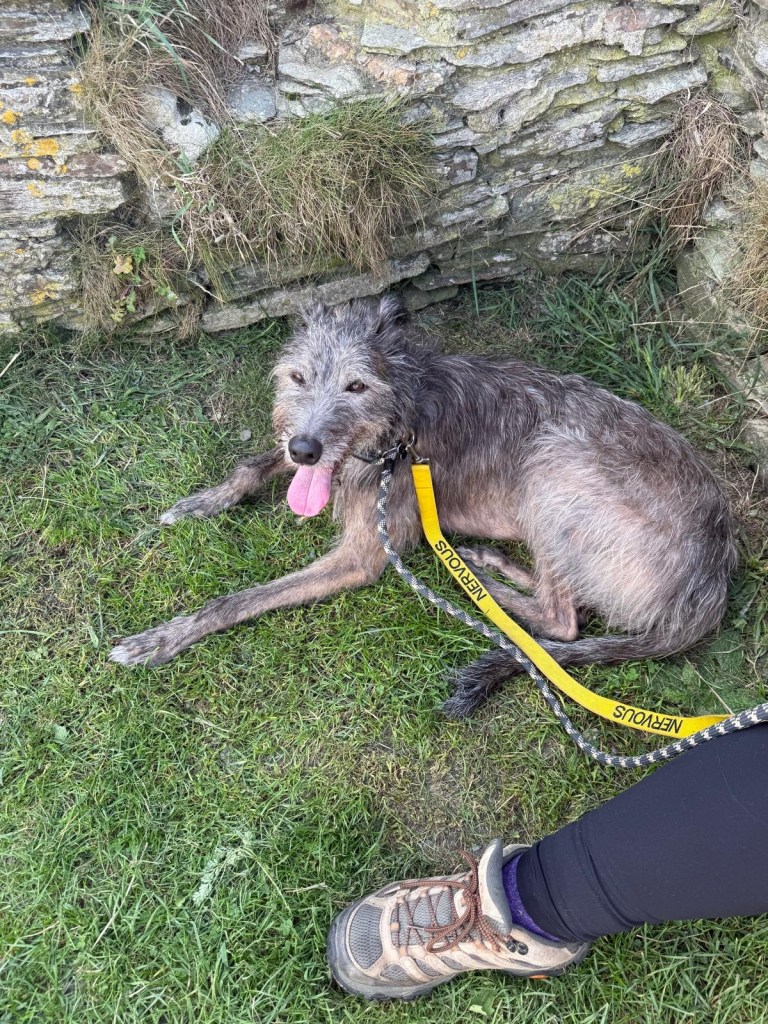
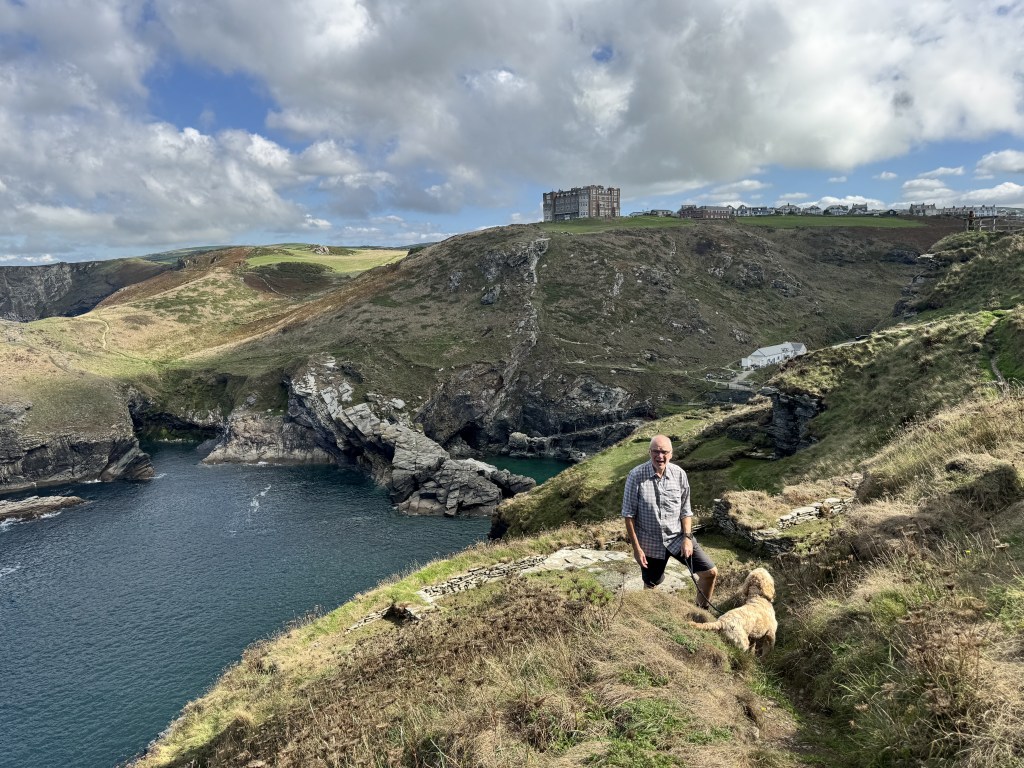
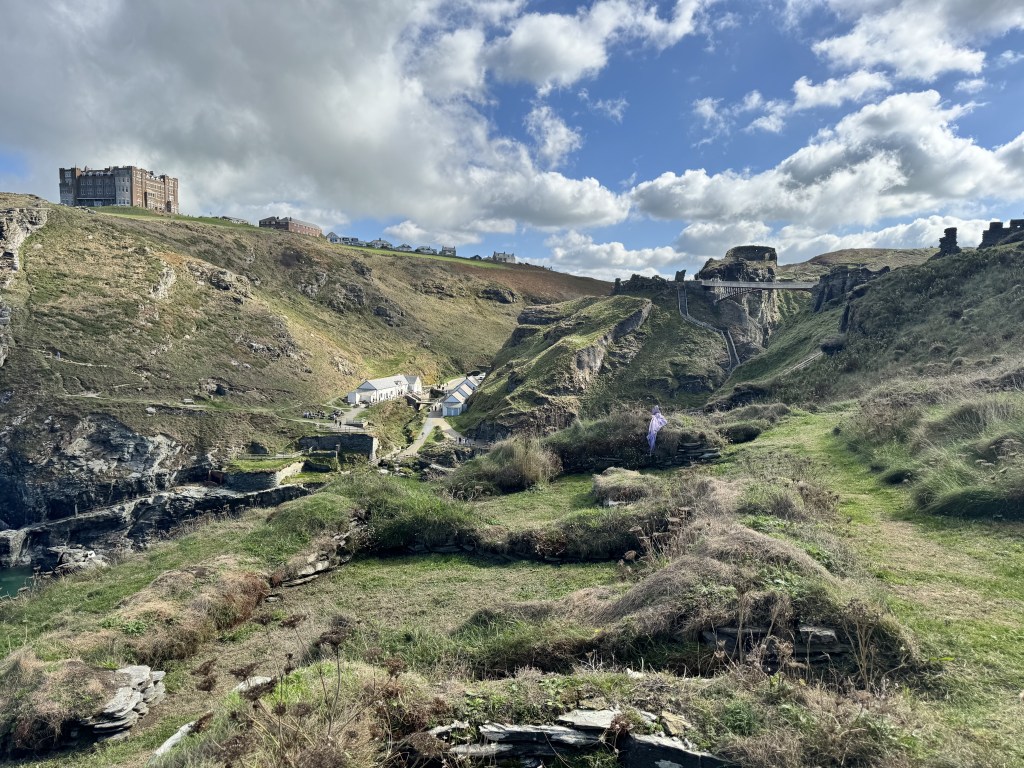
We didn’t manage to visit Merlin’s Cave this time, but that didn’t really matter. There’s so much to appreciate about Tintagel beyond the cave, and I think I could happily spend hours wandering around the site and taking in the scenery. It remains one of my favourite castles we’ve visited, even if it doesn’t have the traditional towers and turrets you might expect.
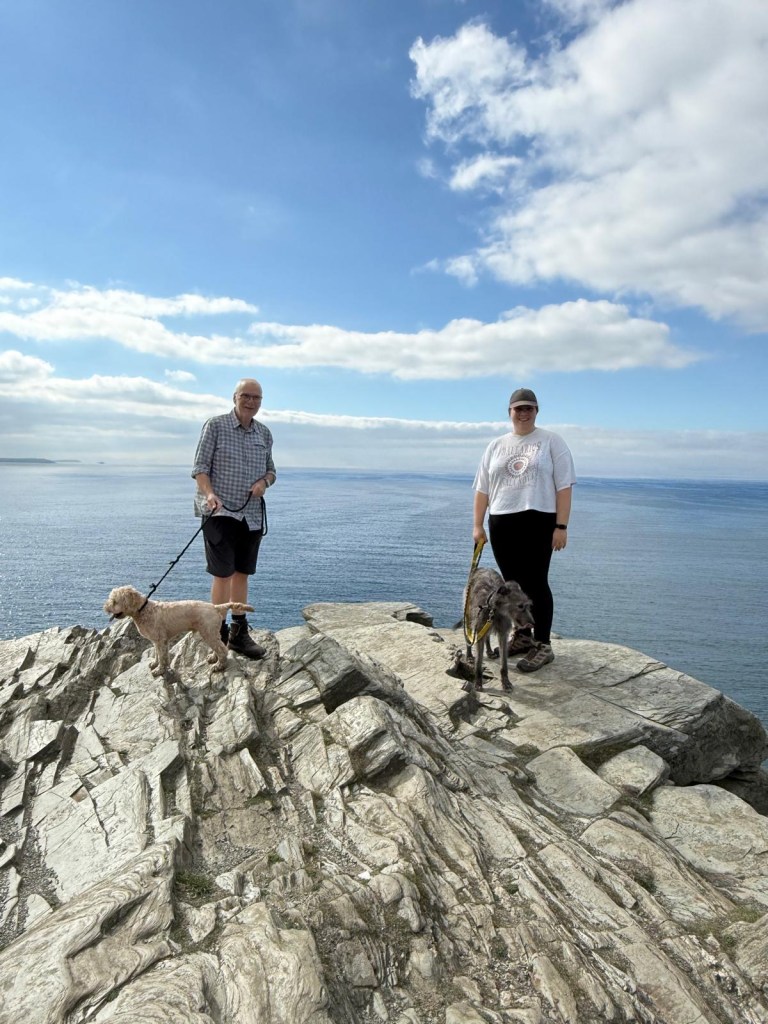
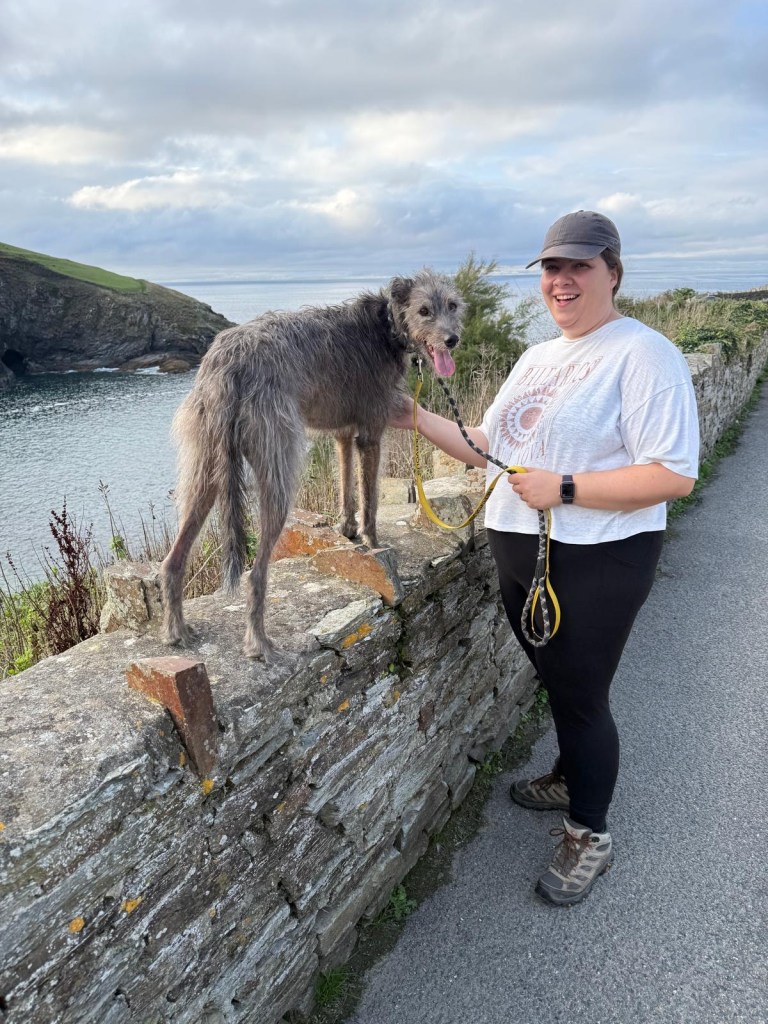
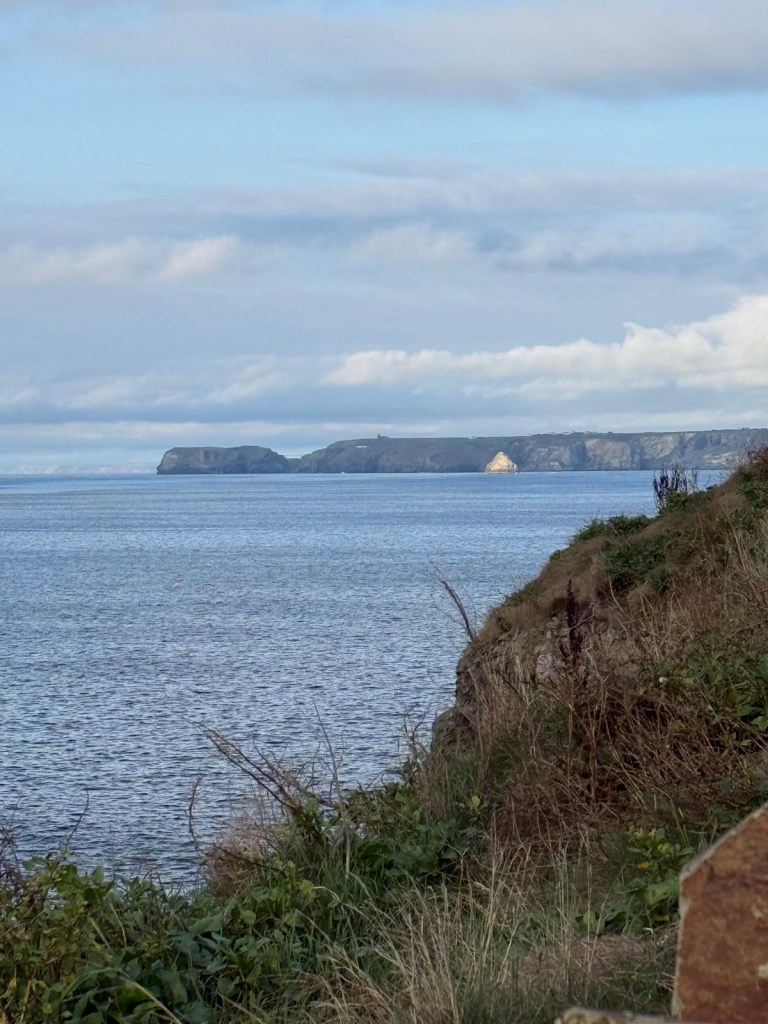
Afterwards, we headed to Port Isaac, perhaps best known as the filming location for the television series Doc Martin. It’s a picturesque little fishing village, with narrow streets, traditional cottages and lovely views across the harbour. We enjoyed wandering around and soaking up the atmosphere, although, as with several other Cornish villages we’d visited, it was rather busy.
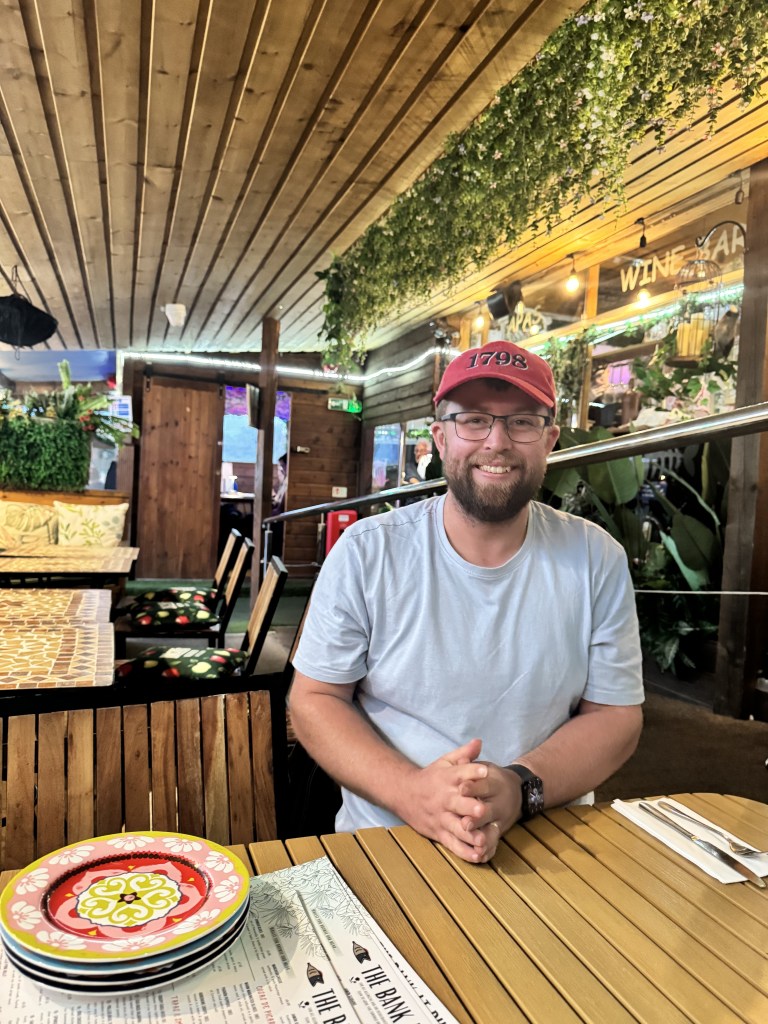
Naturally, we also stopped for an ice cream, which was considerably more successful than my earlier attempt at Fistral Beach. Thankfully, there were no particularly ambitious seagulls involved this time! We finished off with dinner at The Bank in Bude – a Spanish Tapas restaurant and the food here was incredible! We got lots of little bits and then we also shared the paella, highly recommend this place!
Day 12: Family Memories in Cadgwith, Lizard Point and Gunwalloe
Our twelfth day was particularly special because we were returning to Cadgwith Cove, somewhere we’d stayed on a family holiday almost twenty years earlier.
It’s always interesting revisiting somewhere you remember from childhood, particularly when you haven’t been back for such a long time. Some things look completely different, while others bring back memories you hadn’t thought about for years.
One of the funniest memories involved Dad and a banana split.
During our previous holiday, we’d visited the local pub, where Dad had ordered a banana split for dessert. Unfortunately for him, the rest of the family decided it was time to head back to our accommodation before he’d finished. Rather than leave his dessert behind, he ended up carrying it all the way back to the house, by which point it had completely melted.
I’m not entirely sure he’s ever forgiven us!
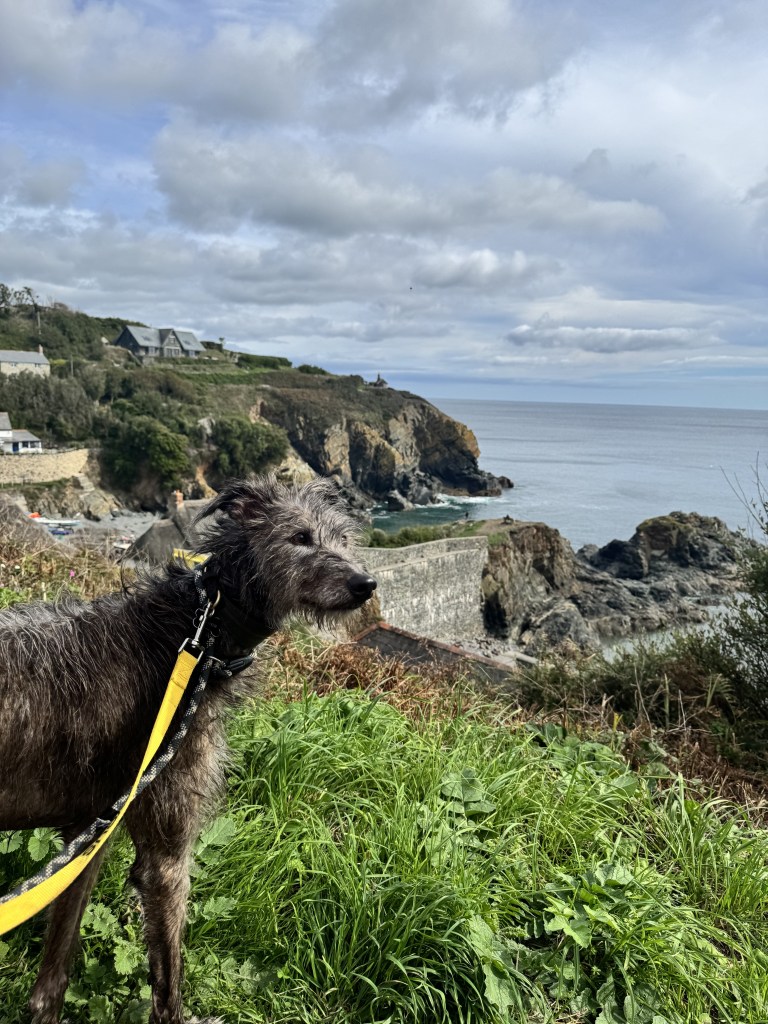
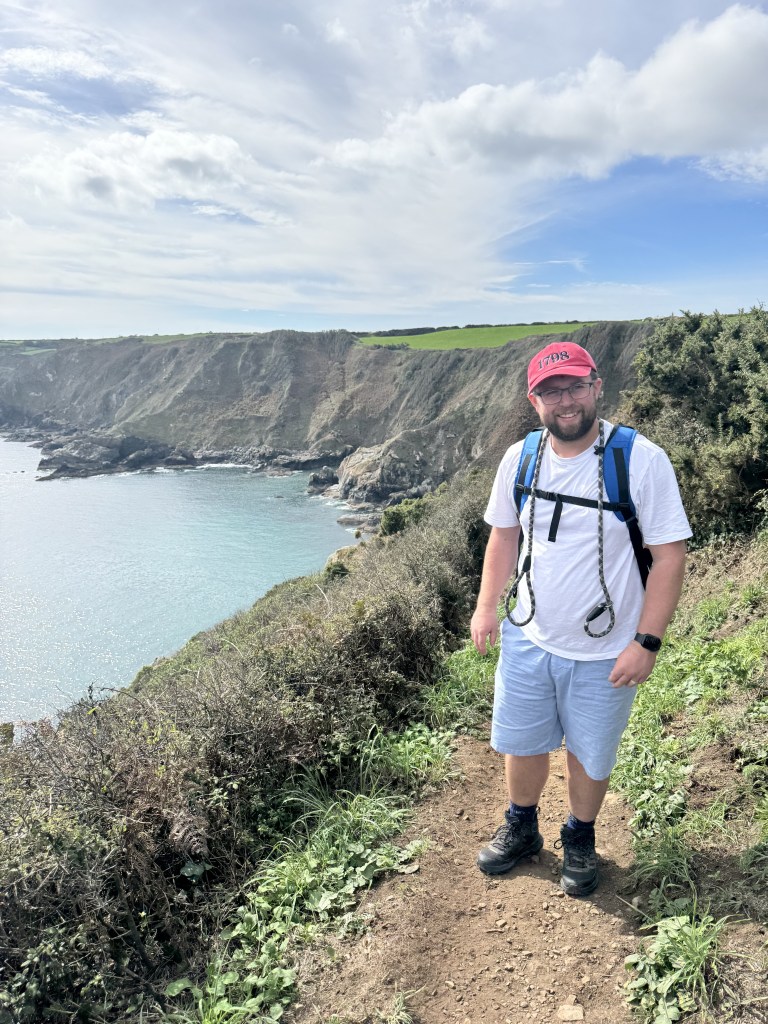
We stopped at the pub again during this visit, where there was some very good beer, before exploring the village and its pebble beaches. There are seasonal dog restrictions on some of the beaches, but we were visiting outside the restricted period, so Eddie and Whisky could join us.
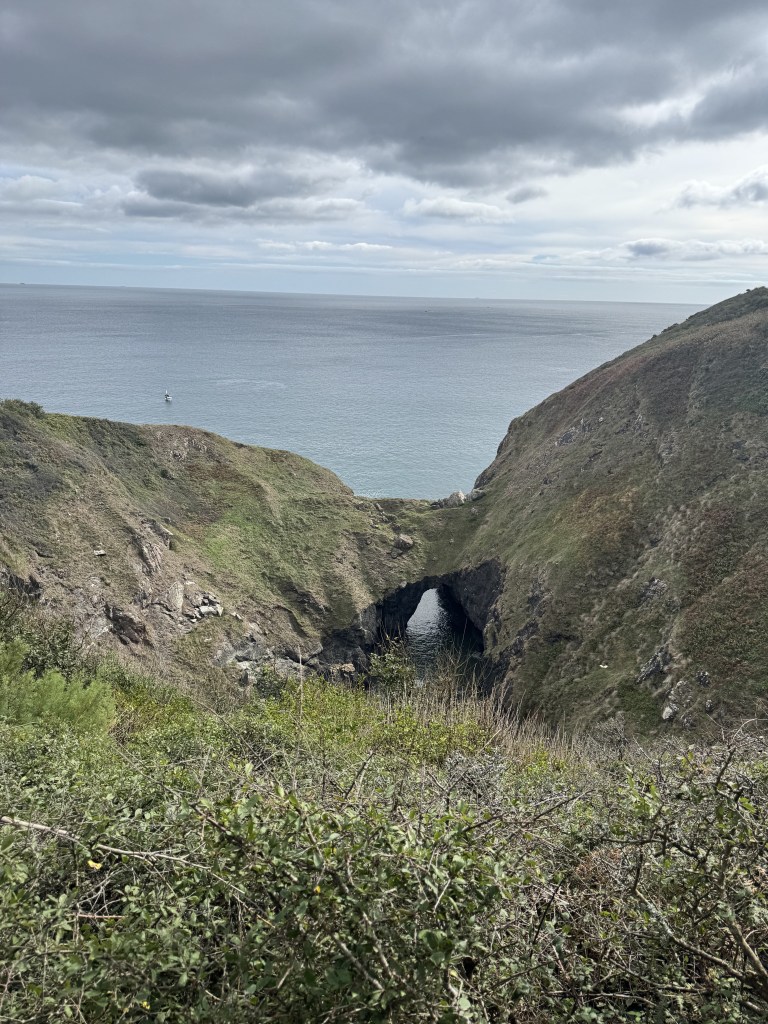
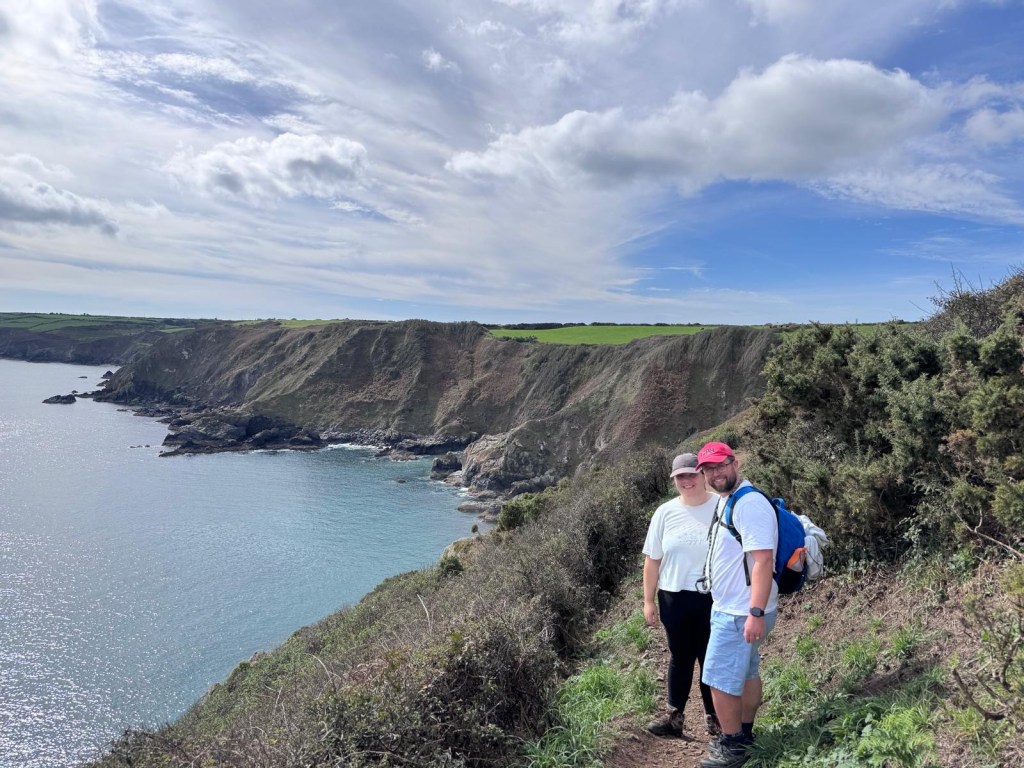
We then headed along the coastal path, passing The Devil’s Frying Pan, a dramatic collapsed sea cave that’s become one of the area’s most distinctive natural features. The scenery was beautiful, and it was lovely exploring the coastline while reminiscing about our previous family holiday.
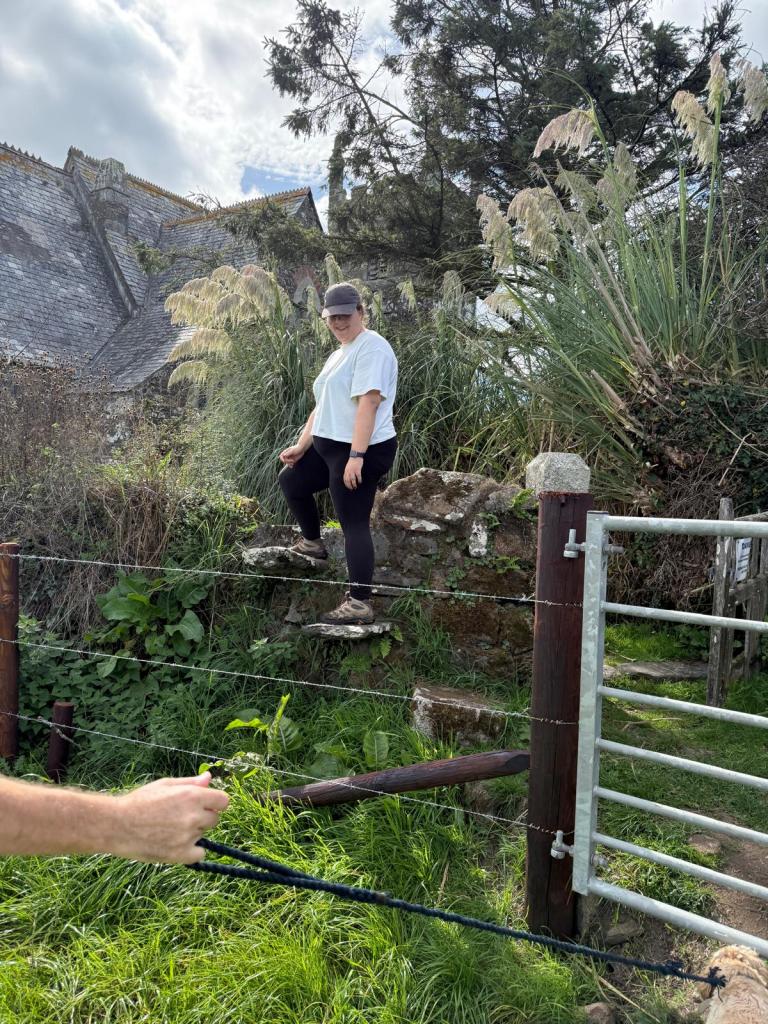
Eventually, our walk brought us close to the house where we’d stayed all those years ago. It’s no longer a holiday home, but it was wonderful to see it again. Dad also remembered a nearby church, so naturally, we decided to investigate.
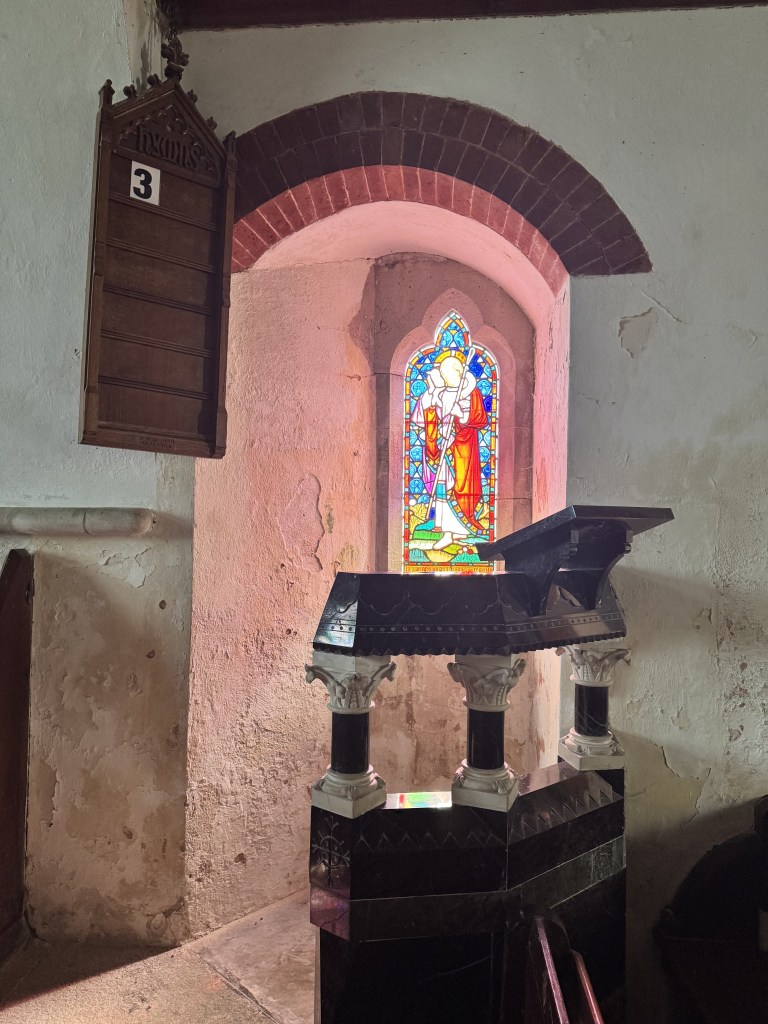
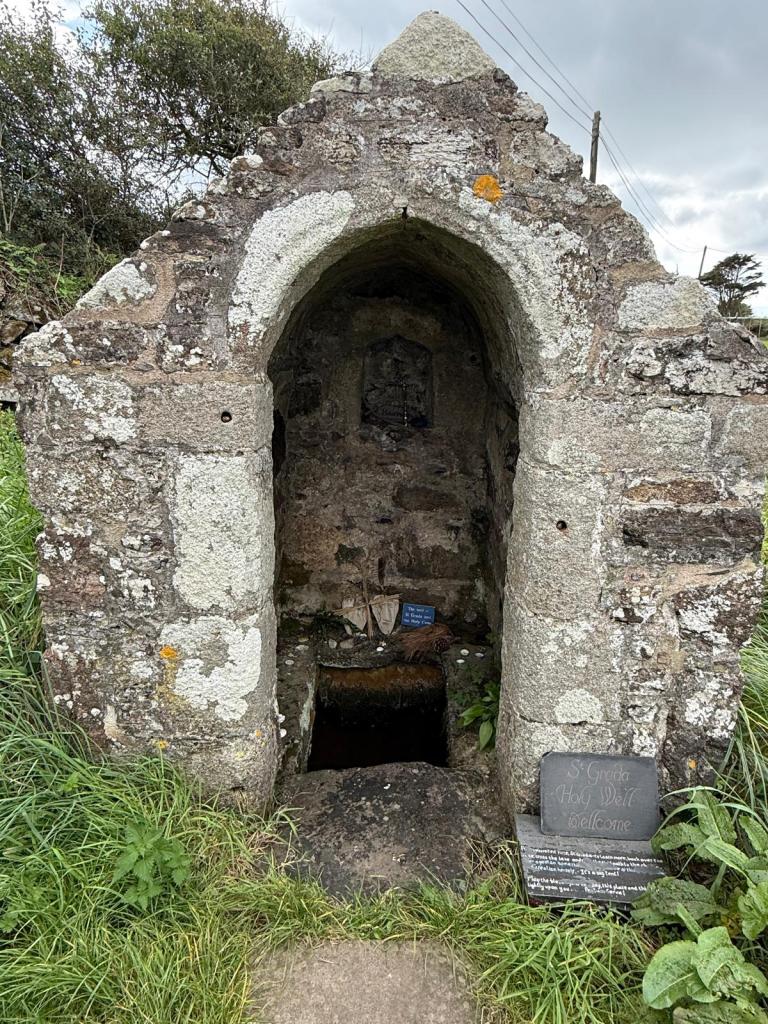
We visited St Grade’s Church, where we discovered the local legend of St Grade and the Holy Cross. We also found St Grade’s Holy Well, another fascinating little historic feature tucked away in the landscape. Dad remembered a nearby farm that used to sell clotted cream and other local produce, although that was no longer operating in the same way.
The walk was quite long, but it was worth every step for the scenery, history and family memories. It felt particularly special being able to revisit somewhere from so many years ago and explore it together again.
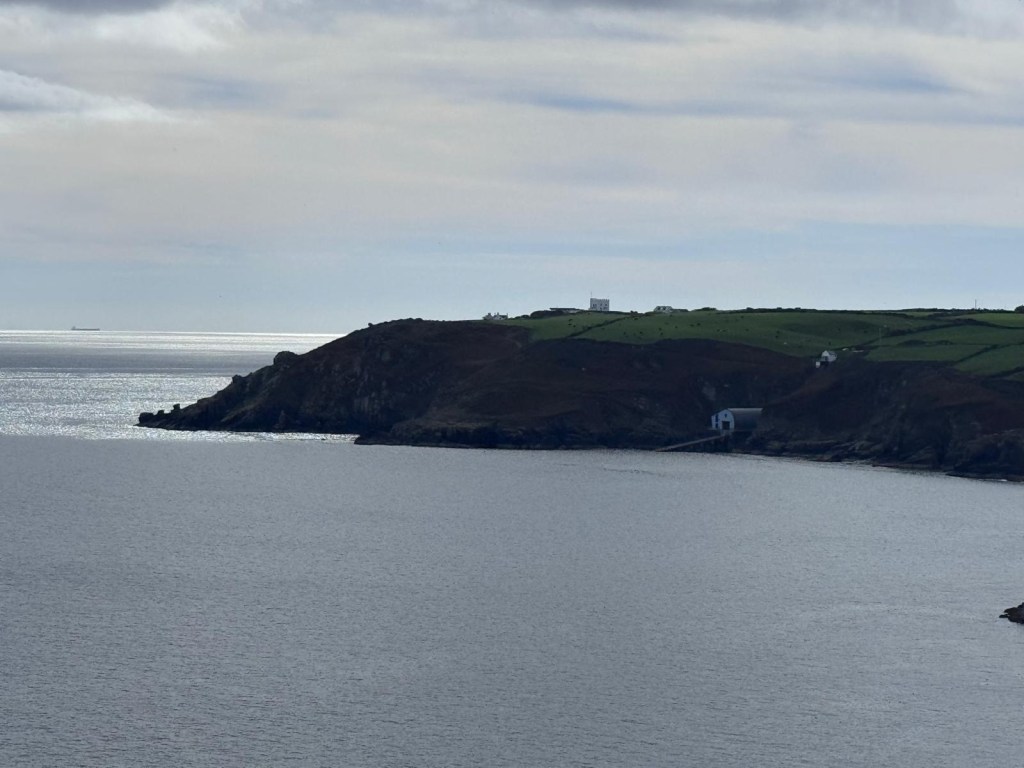
We also drove over to Lizard Point, the most southerly point of mainland Britain. Mum and Dad decided to stay in the car while Luke and I headed down to explore, although we didn’t make it all the way because there was an enormous queue of people. Given how much walking we’d already done, we decided not to spend ages waiting and instead enjoyed what we could see before heading back.
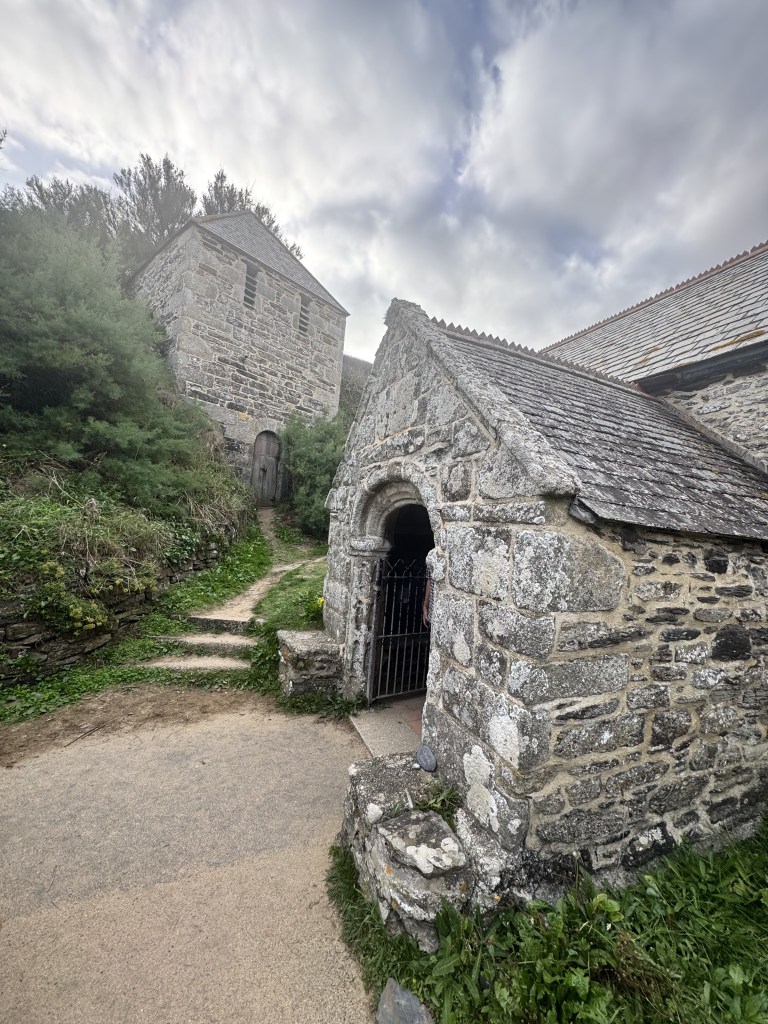
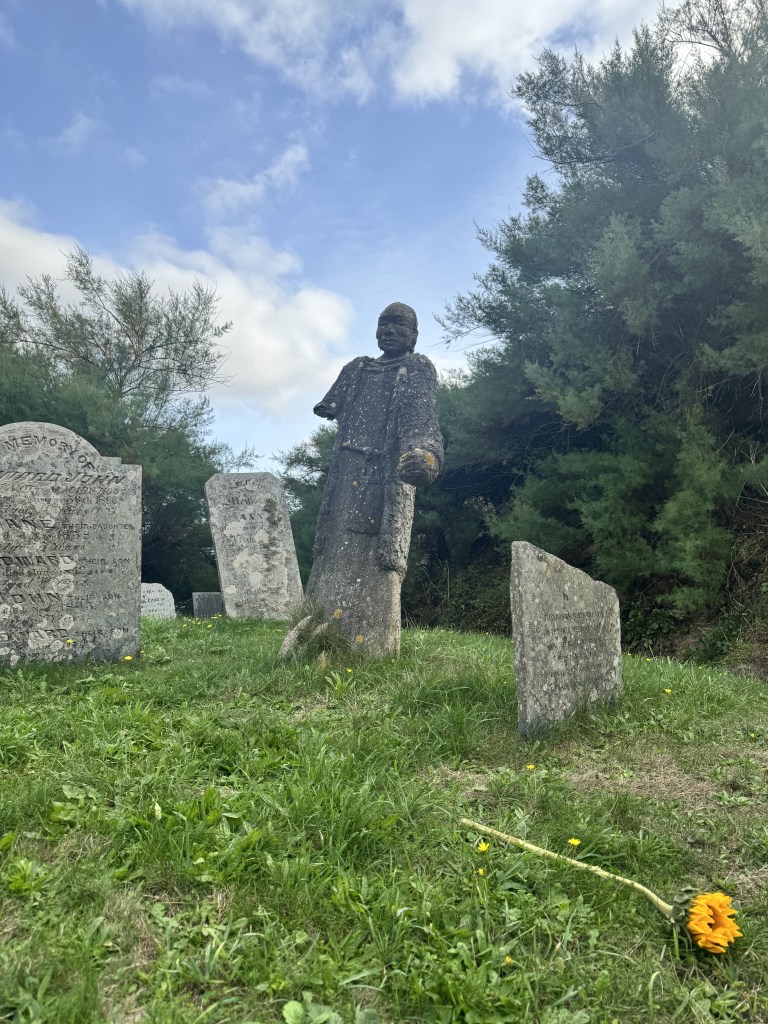
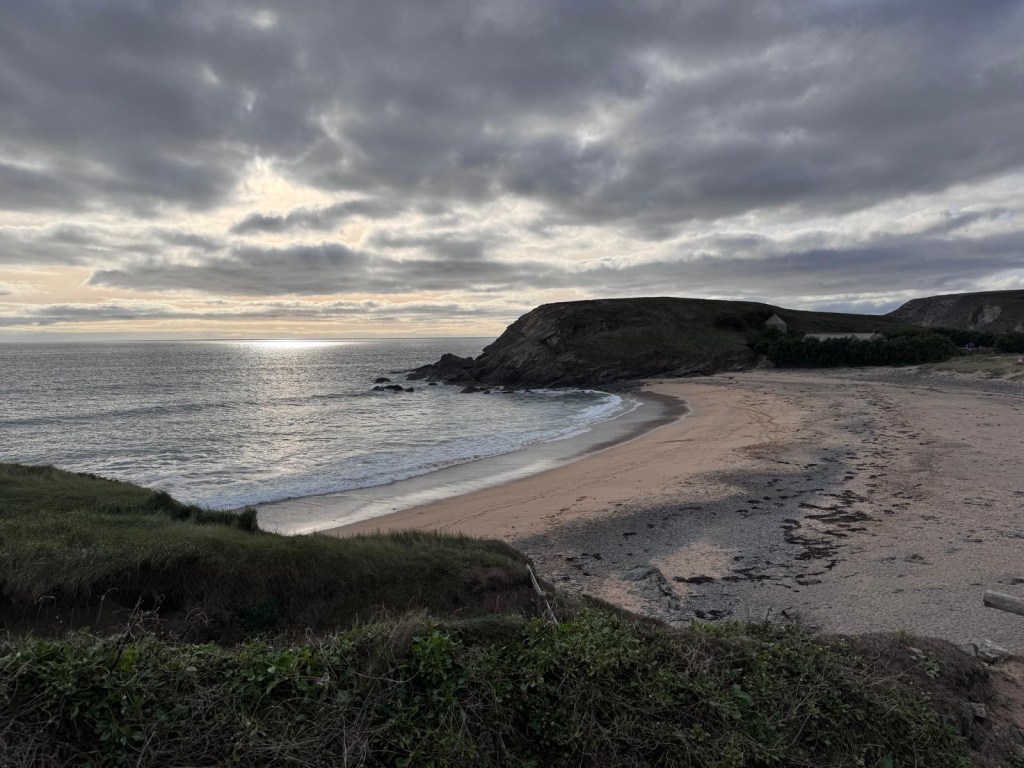
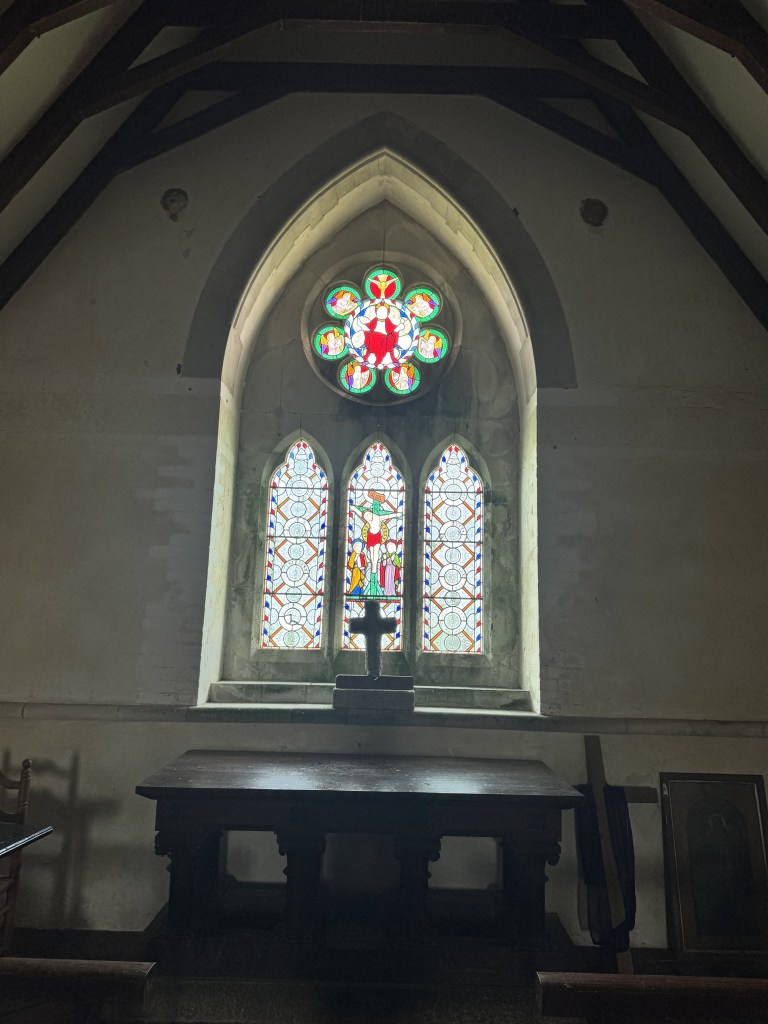
Our final stop was Gunwalloe, where we walked over to the beach and Church of St Winwaloe. The church is in a fantastic coastal setting, and one of its most unusual features is its separate bell tower, which stands away from the main building.
It’s a fascinating little church, and the surrounding scenery makes it well worth visiting. The only slight downside was that, after yet another day of walking, we then had to make our way back to the car!
By this point, I think we were all beginning to realise just how much walking we’d managed to squeeze into the holiday, and we were definitely ready for some dinner! Thankfully, Luke found us an incredible place called The Flory, which turned out to be a fantastic choice. The food was delicious, the owners were incredibly friendly, and the staff couldn’t have been more welcoming.
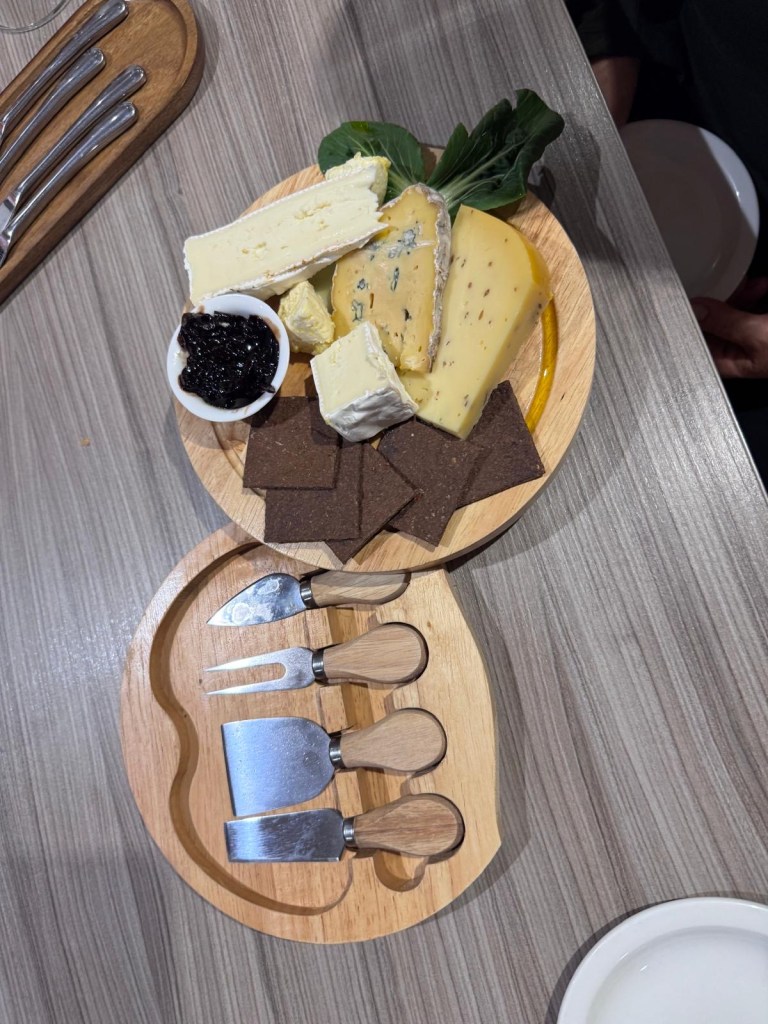
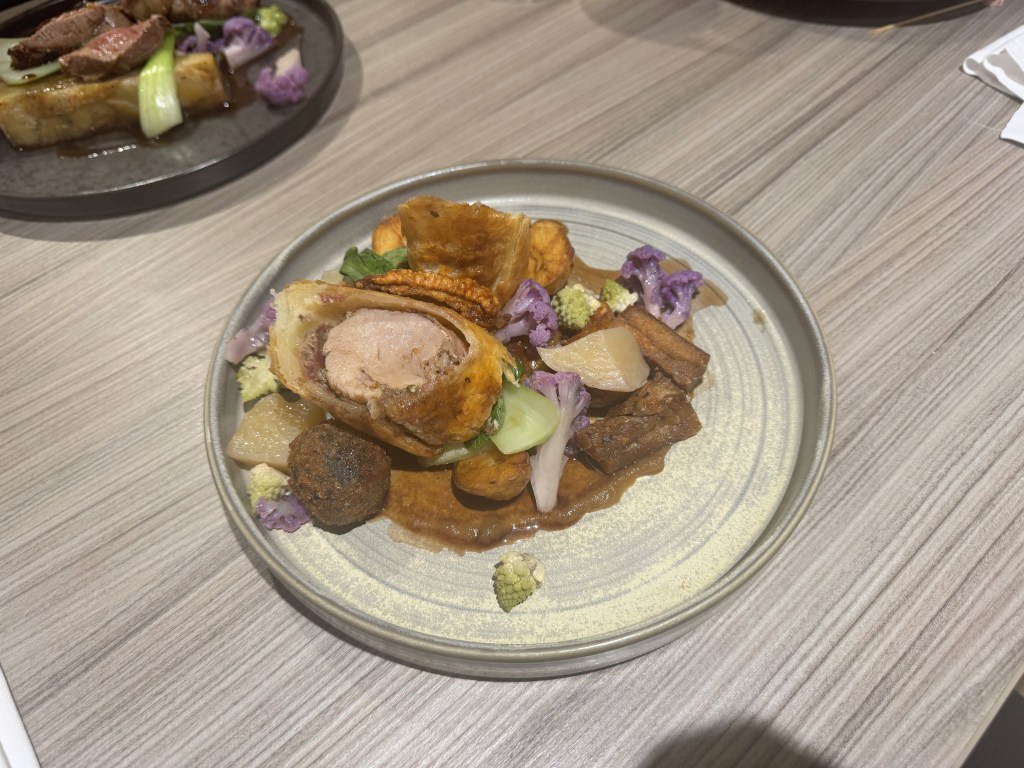
They were also absolutely brilliant with Eddie, who was feeling a little nervous, and kindly offered to let us sit downstairs in the café rather than in the main restaurant upstairs. I’m sure Eddie would have been perfectly fine upstairs too, but having the space to ourselves meant he could relax and settle without us having to worry about people coming over to him. It was such a thoughtful gesture, and it made the whole evening that much more enjoyable. Definitely somewhere we’d happily return to!
Day 13: A Day on Dartmoor, Grimspound and Dinner in Boscastle
Although most of our holiday had been spent exploring Cornwall, we decided to head into neighbouring Devon for a day on Dartmoor.
One thing became apparent fairly quickly: Dartmoor’s roads can be incredibly narrow! Fortunately, Luke was driving, which meant I could enjoy the scenery without having to worry quite so much about meeting another car coming in the opposite direction.
Our first destination was Hound Tor, where we explored the dramatic granite rock formations that rise above the surrounding moorland. The landscape here is completely different from Cornwall’s coastline, but just as impressive in its own way. We also visited Greator Rocks and the remains of a nearby deserted medieval village, which was fascinating to explore.
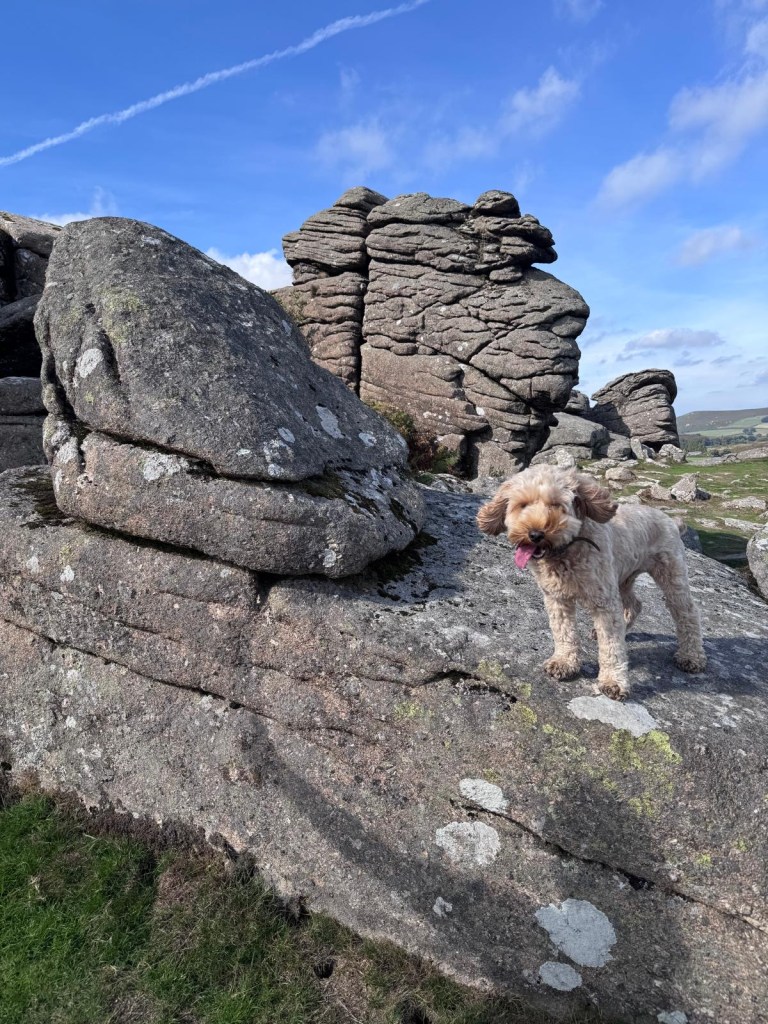
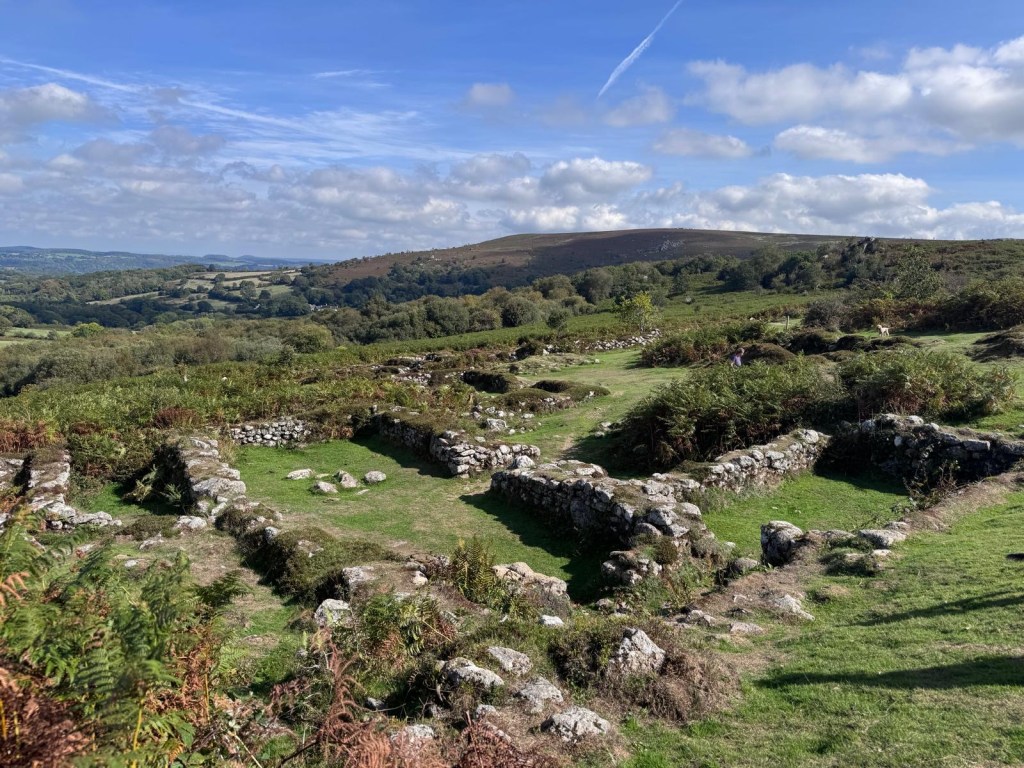
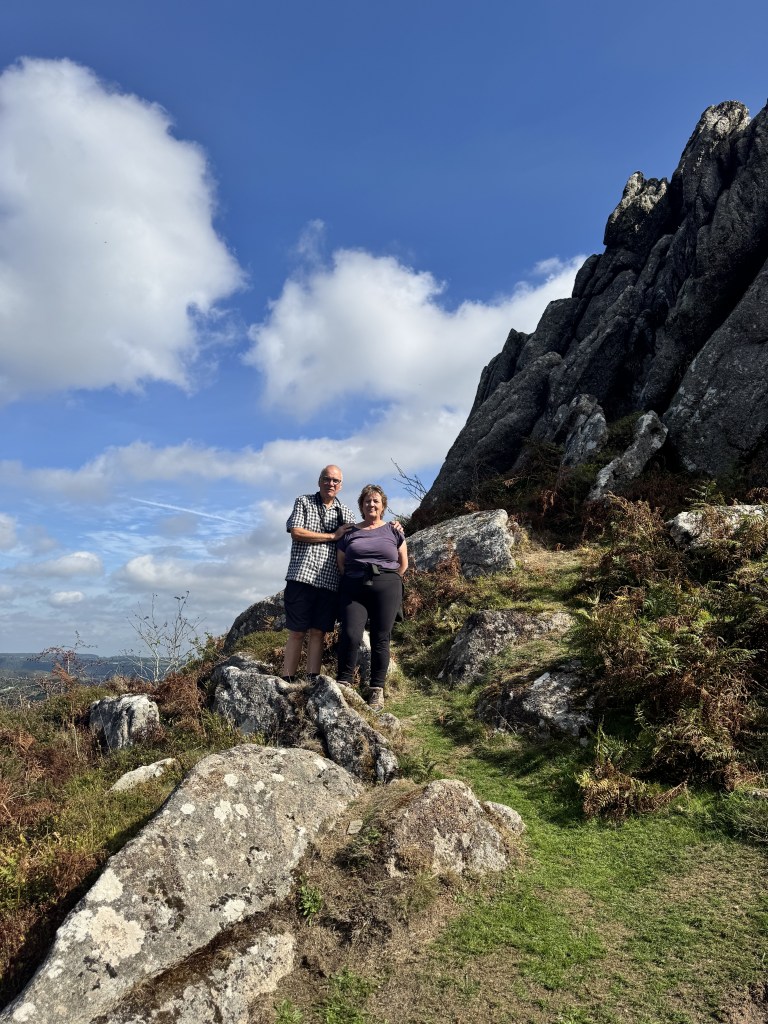
I always enjoy visiting abandoned settlements because there’s something particularly intriguing about seeing the remains of places where people once lived and worked. Even when little survives above ground, the ruins give you a real sense of the history hidden within the landscape.
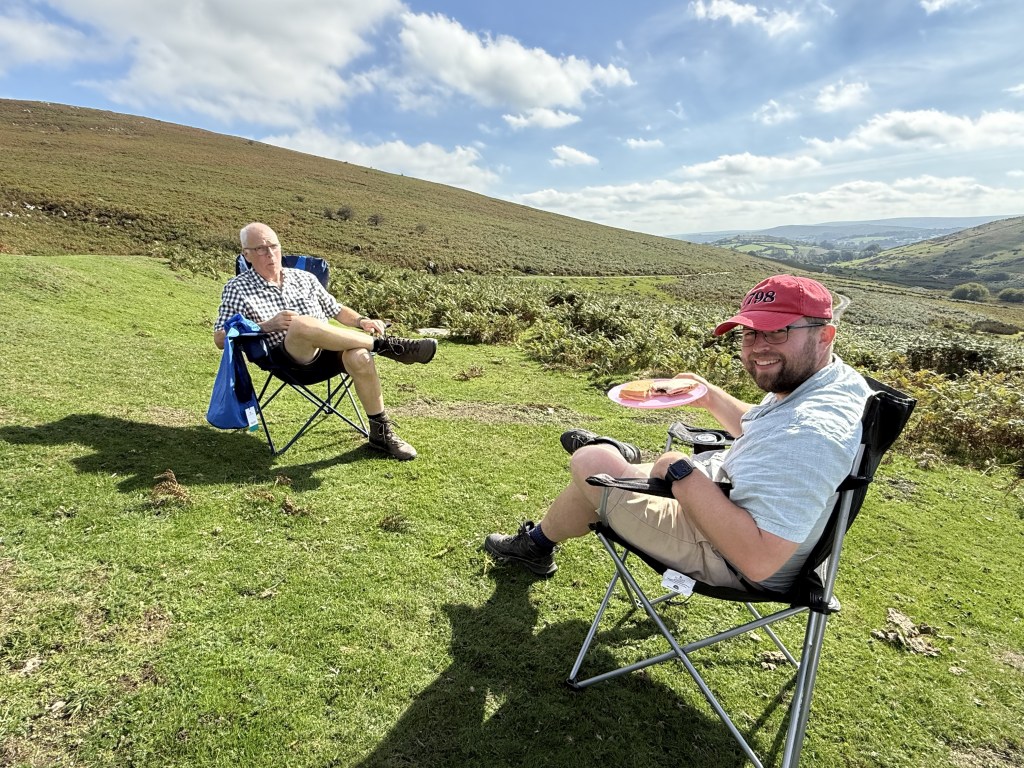
After a morning of exploring, we found a lovely spot for lunch with a view near Grimspound. Sometimes, the best part of a day out is simply finding somewhere scenic to stop, eat and appreciate the surroundings, particularly when you’ve spent several hours walking.
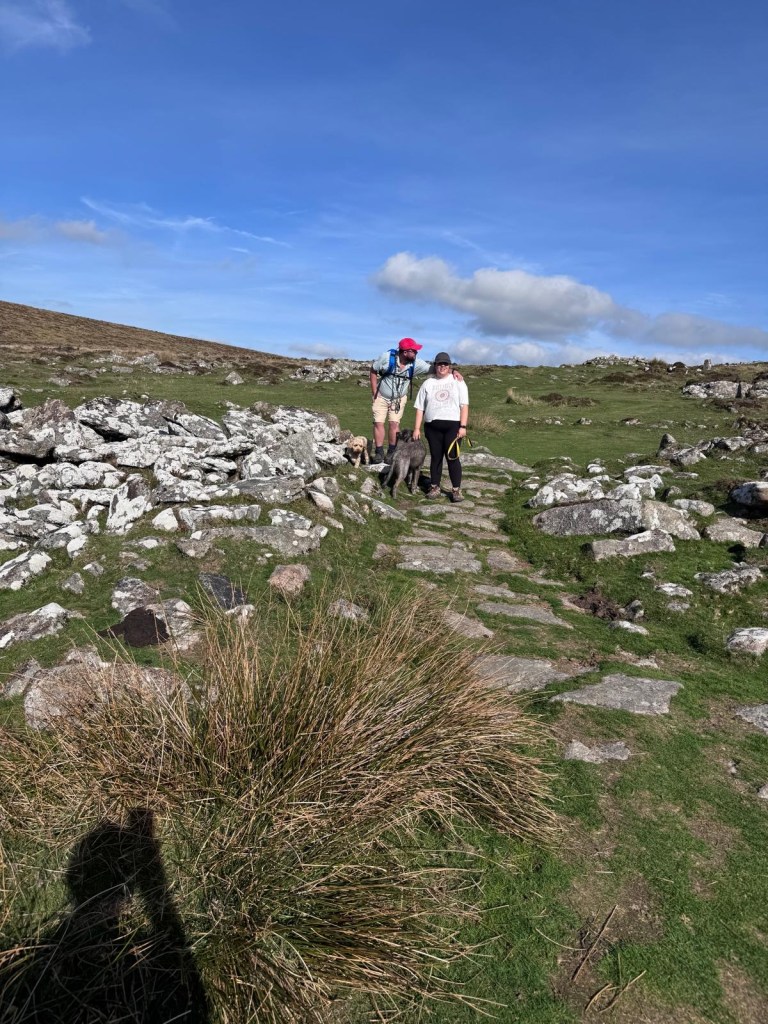
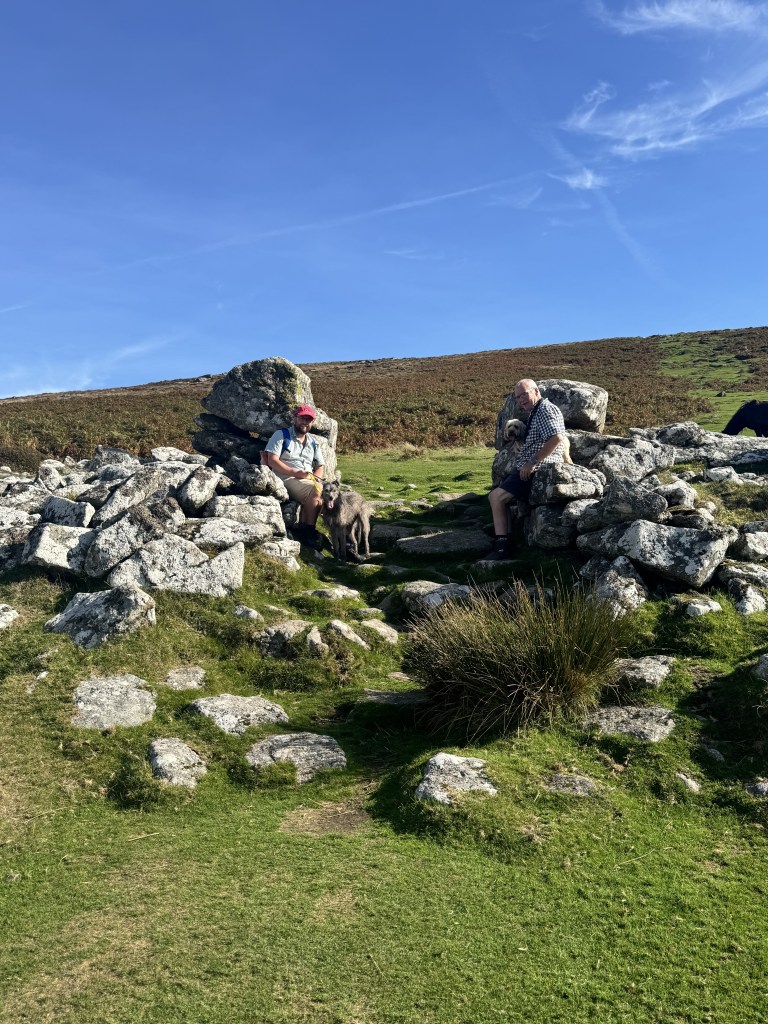
Grimspound itself was one of the highlights of the day. It’s the remains of a Bronze Age settlement, with twenty-four roundhouses enclosed by a substantial stone boundary wall measuring around 150 metres across. Although much of the settlement is now in ruins, it’s still possible to make out the layout of the roundhouses and appreciate just how significant the site once was.
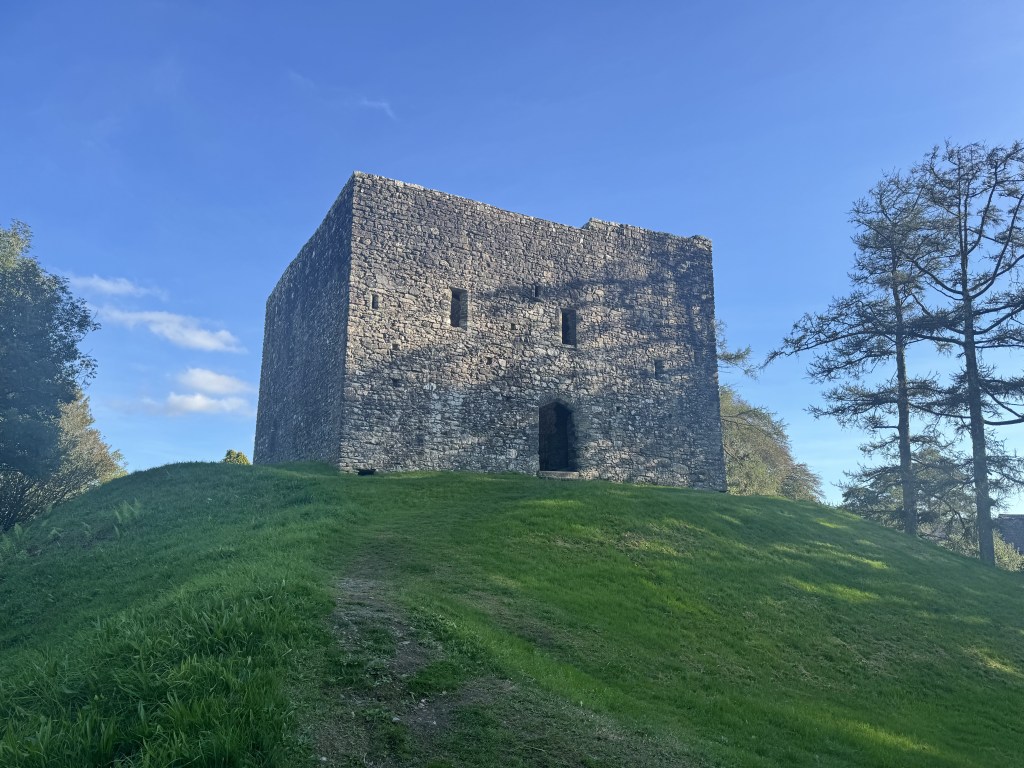
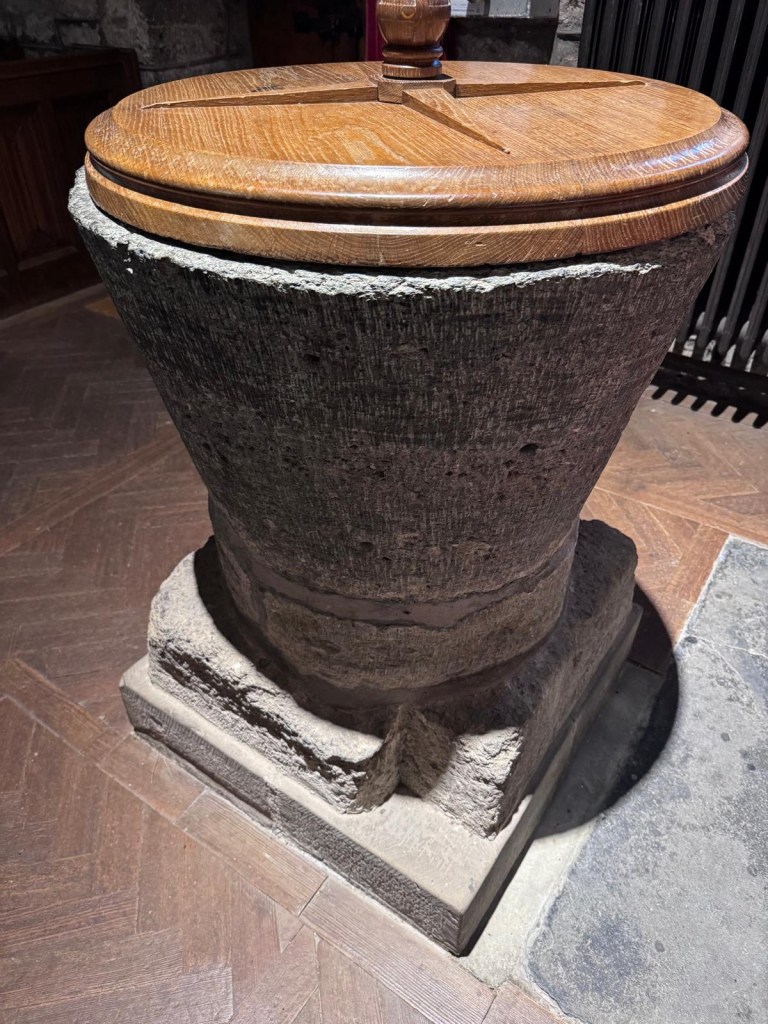
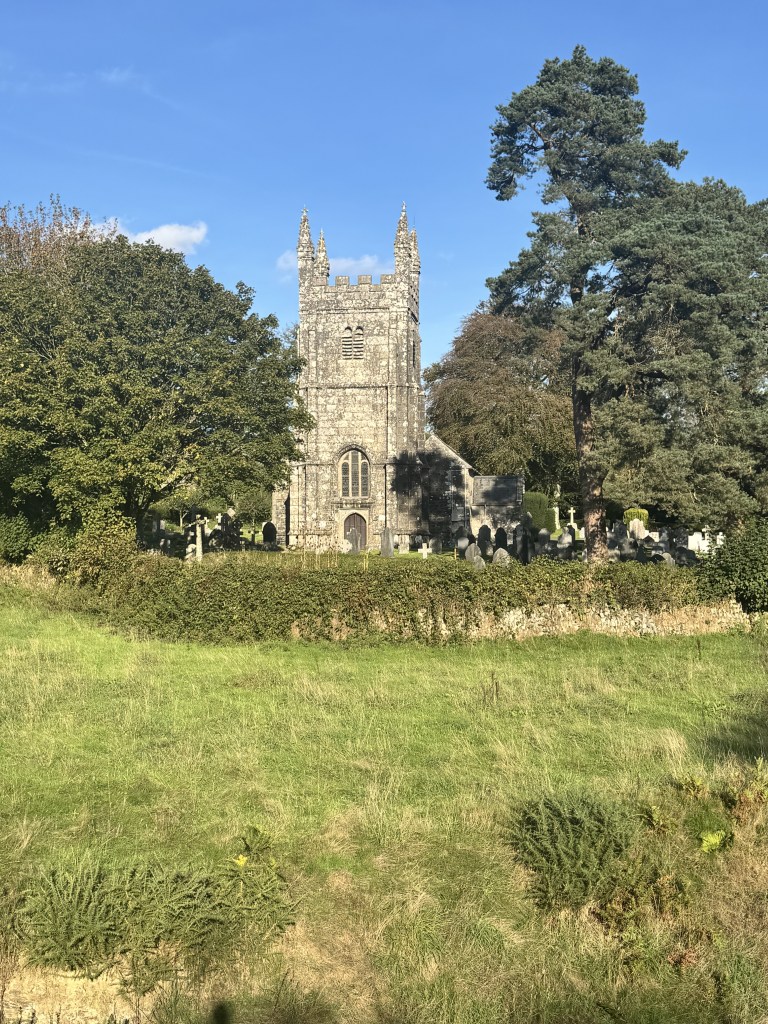
We spent some time exploring before continuing towards Lydford, where we visited Lydford Castle and wandered around the historic village. The castle was interesting, although it wasn’t one of the most impressive historic sites we’d visited during the holiday. We also popped into St Petroc’s Church, where we saw an ancient font traditionally dated to the eighth century, which was a lovely little discovery.
After all that exploring, we headed back towards Boscastle for dinner at The Wellington Hotel.
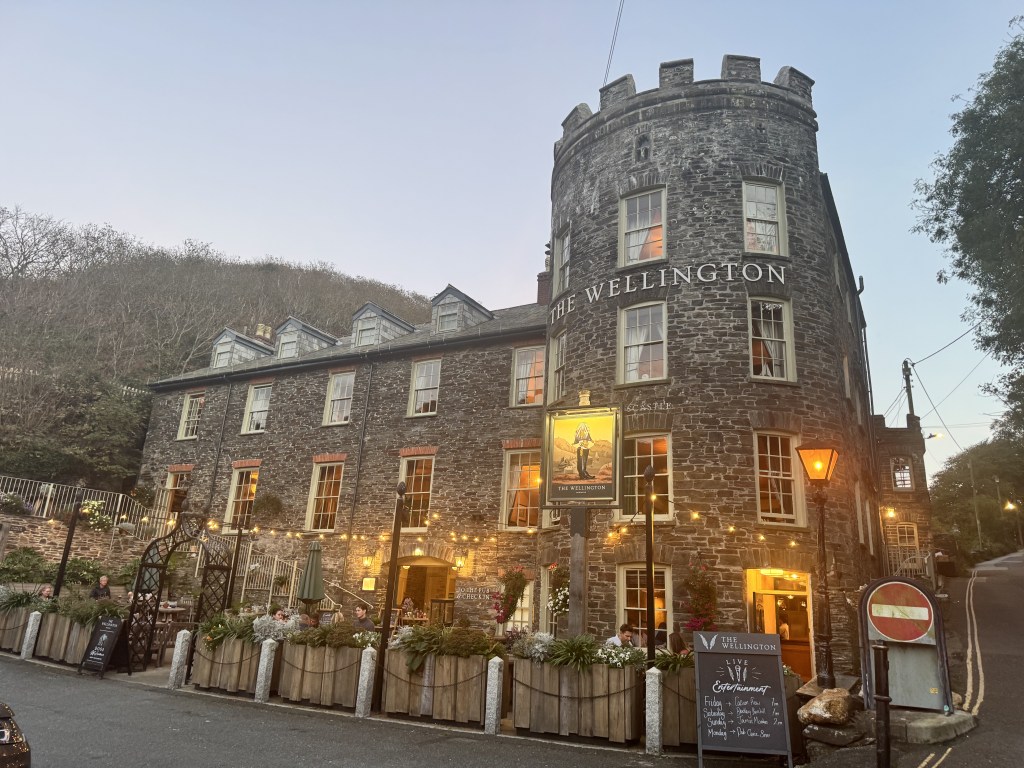
The restaurant was clearly very busy, and it seemed as though the staff were rather stretched. Unfortunately, my food order was wrong, which was a little frustrating, but the people working there were genuinely lovely, and we still enjoyed the evening.
It was one of those situations where you could tell everyone was doing their best, despite things not quite going to plan. I wouldn’t want the mistake to overshadow the experience because, overall, it was a really pleasant place to visit and a nice way to finish our day on Dartmoor.
Day 14: Restormel Castle, Polzeath Beach and Our Final Seafood Dinner
Our final full day in Cornwall had arrived, which felt rather unfair given how quickly the previous two weeks had disappeared. Naturally, we couldn’t finish the holiday without squeezing in another castle, so we began with a visit to Restormel Castle.
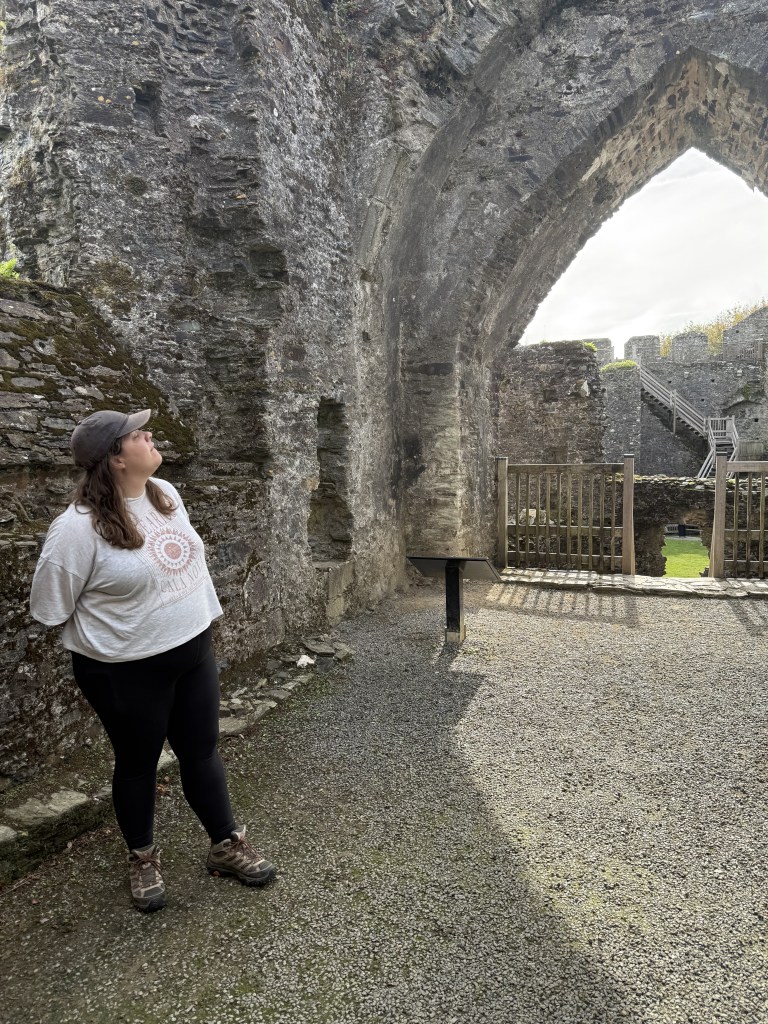
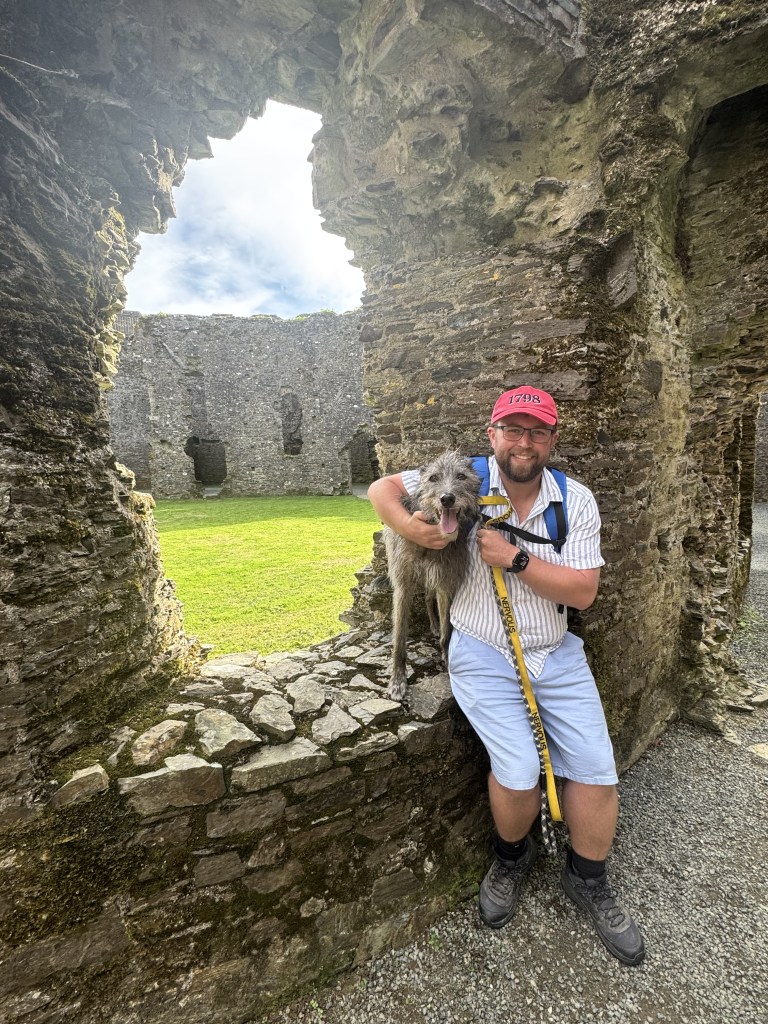
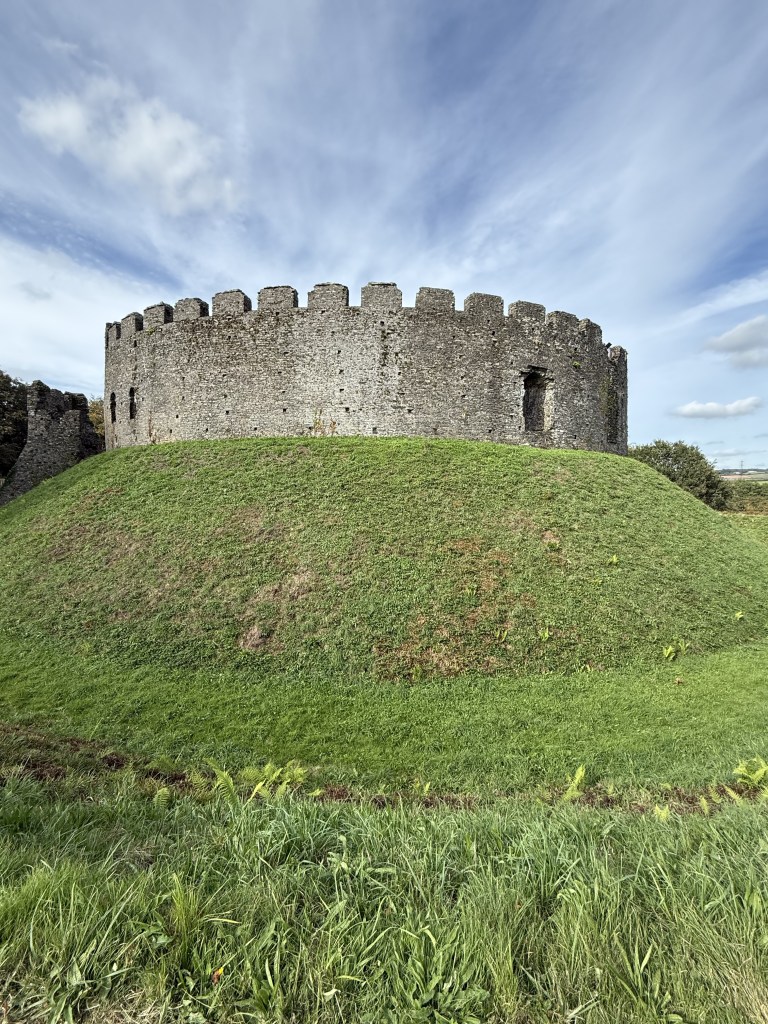
Restormel is an English Heritage property and particularly interesting because of its unusual circular design. Unlike many medieval castles with square towers and sprawling defensive walls, Restormel has a distinctive ring-shaped layout, which makes it quite different from the other castles we’d explored.
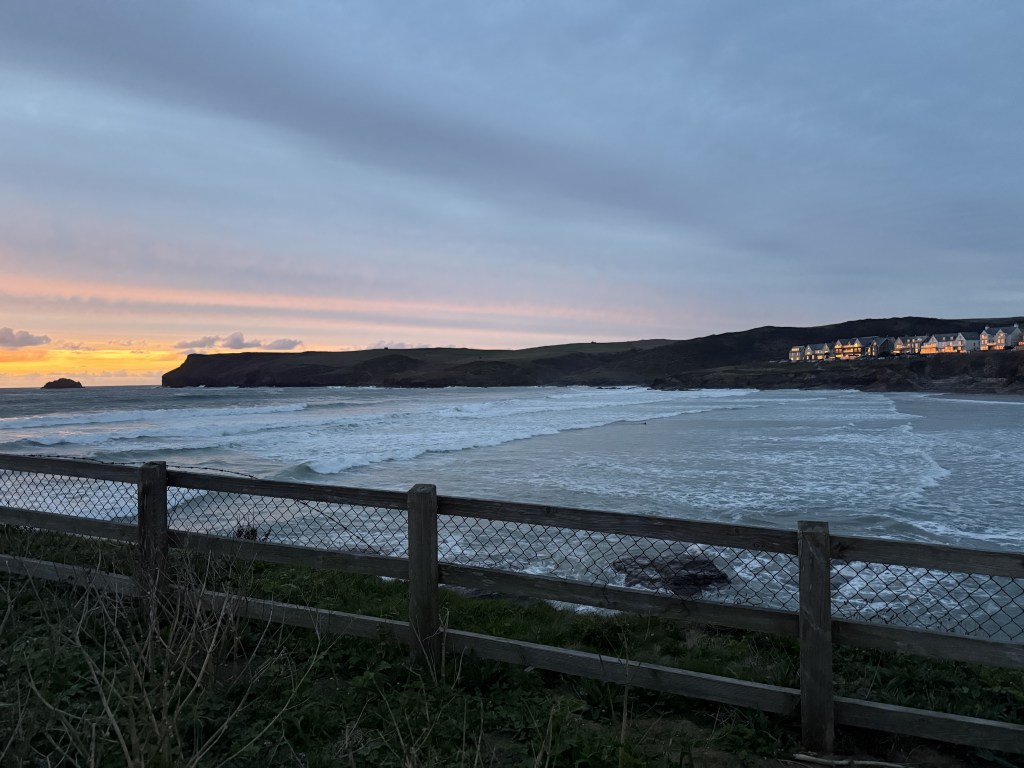
Afterwards, we headed towards Polzeath Beach, where we could enjoy a little more of Cornwall’s beautiful coastline before the long journey home the following day.
We’d spent much of the holiday travelling between historic attractions, walking up hills and exploring ancient settlements, so having another opportunity to spend some time by the sea felt like a lovely way to round things off.
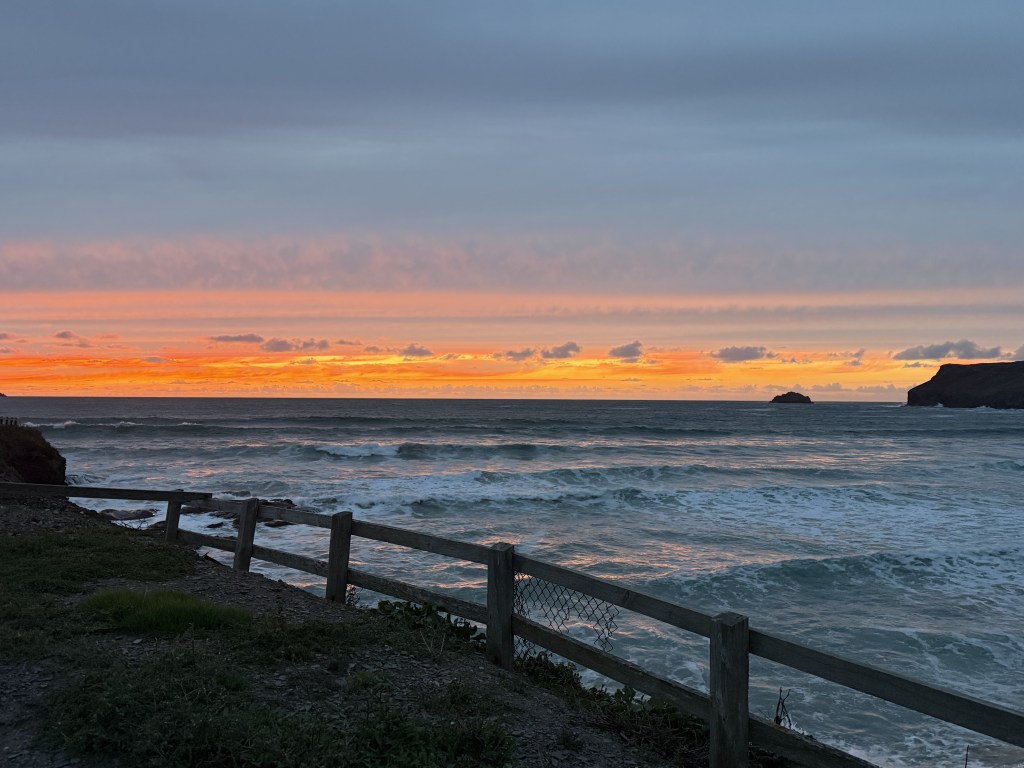
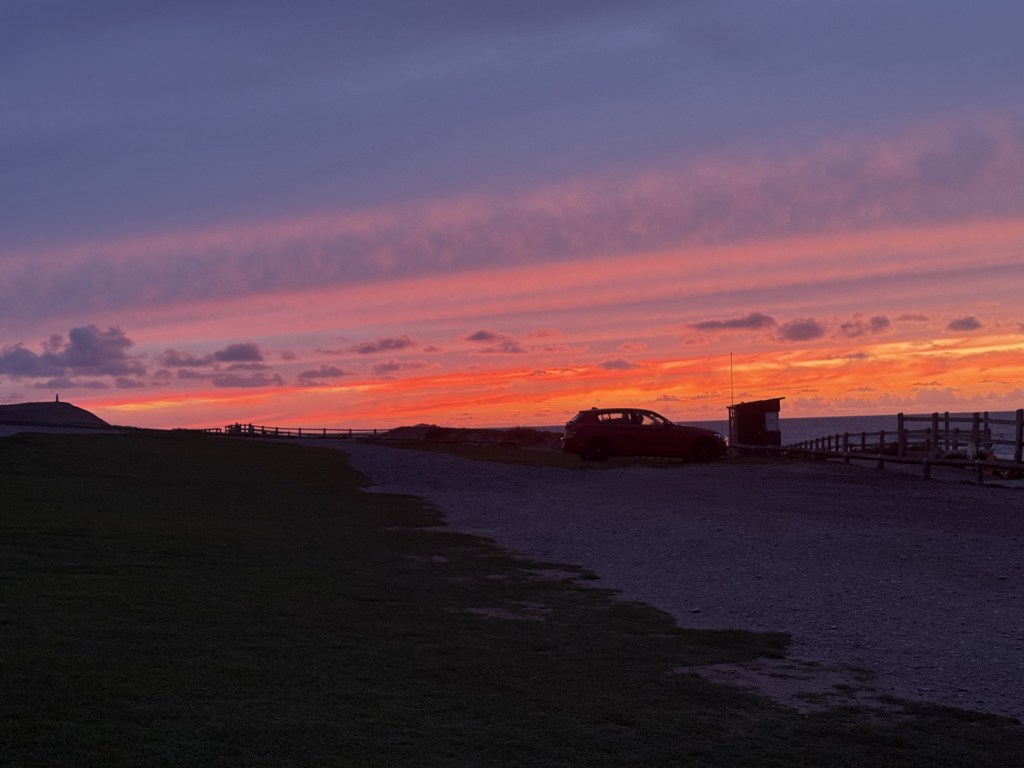
For our final dinner together, we decided to head to The Cracking Crab. Given how much fantastic seafood we’d enjoyed throughout the fortnight, it seemed only right that our last evening should involve another seafood restaurant.
It was a lovely final stop before returning to Launceston, packing up and preparing for the journey home.
Day 15: One Last Adventure at Okehampton and Brentor
All too soon, it was time to pack up our belongings and begin the journey home. However, we weren’t quite ready to finish exploring, so we’d planned a few final stops along the way.
First, we returned to Okehampton Castle, which we’d visited on our journey down two weeks earlier. There’s something rather fitting about starting and finishing a holiday at the same castle, particularly when you’ve spent so much of the fortnight exploring historic places.

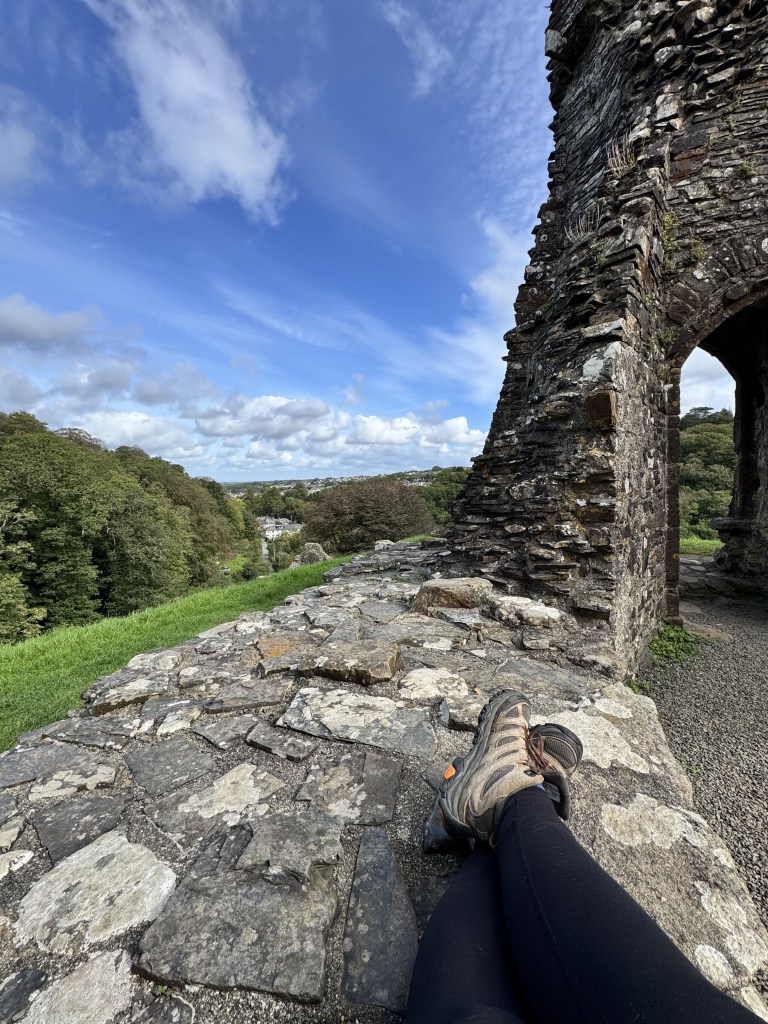
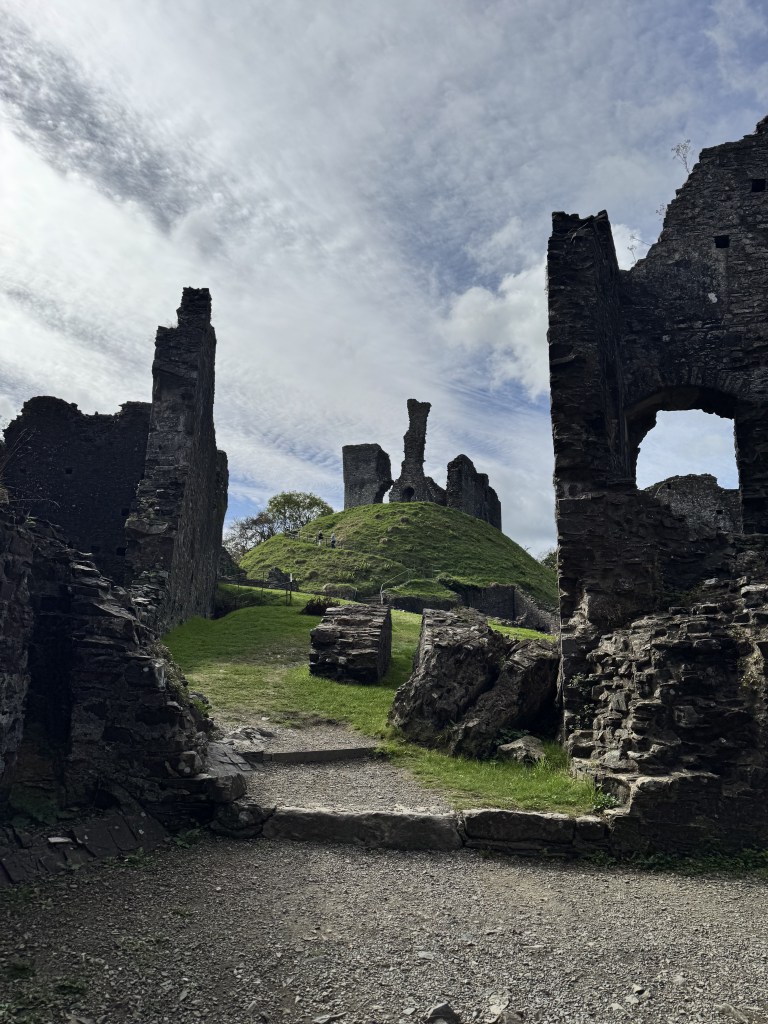
We also travelled towards Tavistock, where we visited one of the most unusual churches we’d encountered during the holiday: St Michael de Rupe at Brentor.
Perched dramatically on top of a rocky outcrop, the church is an extraordinary sight. It dates back to the twelfth century and sits around 1,100 feet above sea level, making it one of the highest working churches in England.
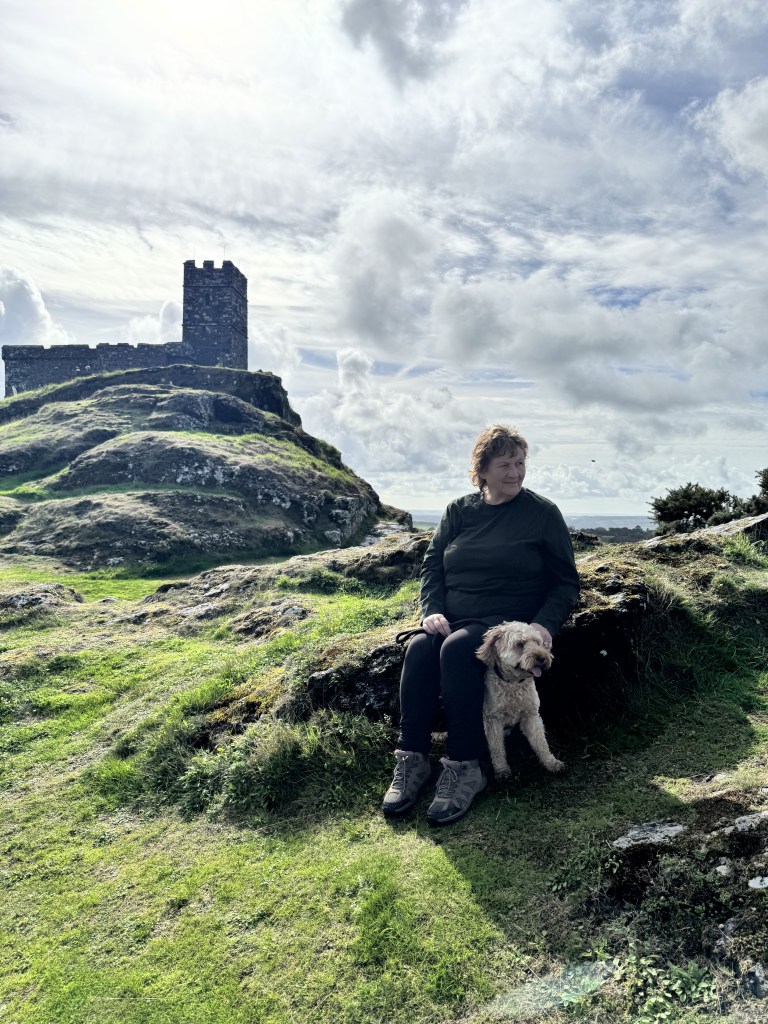
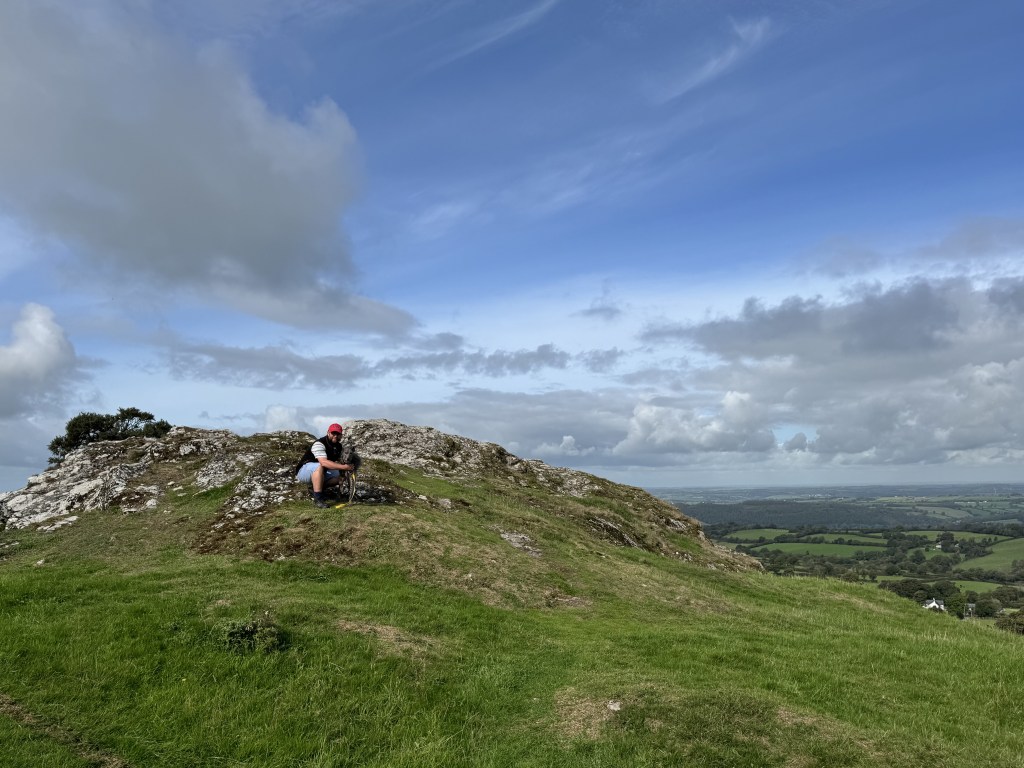
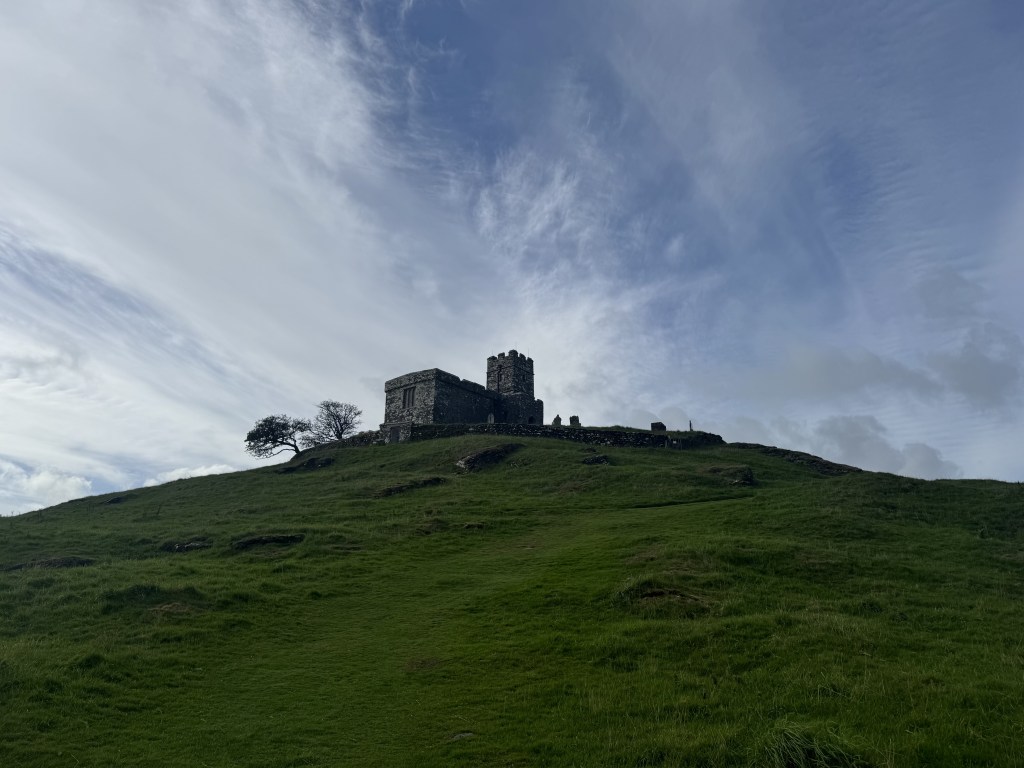
It’s hard to imagine a more dramatic location for a church, with the building standing high above the surrounding Dartmoor landscape. After spending two weeks exploring castles, churches and ancient monuments, it seemed like a particularly fitting final historic stop.
Eventually, it was time for us and Mum and Dad to go our separate ways and head home.
And just like that, our two-week Cornwall adventure was over.
Our Favourite Places in Cornwall
Looking back at everything we managed to fit into the holiday, it’s difficult to choose just a handful of favourites. We visited such a variety of places, from medieval castles and historic houses to ancient stone circles, dramatic coastal landmarks and beautiful fishing villages.
Tintagel Castle was undoubtedly one of the biggest highlights for me. I loved it so much that we returned for a second visit, which probably says everything you need to know. There’s something incredibly atmospheric about the place, and seeing it in completely different weather conditions made it even more memorable.
St Michael’s Mount was another favourite, despite the crowds and challenging climb. The setting is extraordinary, and the church was particularly impressive. I’d also happily recommend St Mawes Castle, which I found more enjoyable than Pendennis, although both were worth visiting.
Of the ancient sites, Chysauster Ancient Village really stood out. The combination of sunshine, heather and atmospheric ruins made it one of those places that I’ll remember for a long time. We also loved exploring the prehistoric monuments around The Hurlers, Boscawen-ûn and Grimspound.
When it came to historic houses, Lanhydrock and Cotehele were particularly memorable. Both were wonderful places to explore, although I think Lanhydrock deserves a return visit because there was simply too much to see in the time we had available.
And, of course, revisiting Cadgwith Cove with Mum and Dad was particularly special. Sometimes, the best places aren’t necessarily the grandest or most famous attractions, but somewhere that brings back lovely family memories.
The Best Food We Had in Cornwall
One thing we certainly didn’t struggle with during our holiday was finding good food.
Our dinner at Rick Stein’s Seafood Restaurant in Padstow was a real highlight, with fantastic food from beginning to end. The salmon was particularly memorable, although the lamb and seafood dishes were also excellent.
The Plume of Feathers was another favourite, and we enjoyed it so much that we returned with Mum and Dad the following week. The seafood soup, octopus and fish pie all went down particularly well.
We certainly ate plenty of seafood during our fortnight, but given where we were, it would have been rude not to!
What Didn’t Quite Live Up to Expectations?
Not every part of our holiday was perfect, and I think it’s worth mentioning the places that didn’t quite meet our expectations.
Our biggest disappointment was probably the Fistral spa experience. Although the cocktails and dinner were fantastic, the spa facilities weren’t quite what we’d hoped for, and we didn’t feel particularly relaxed.
Land’s End was another mixed experience. The scenery is beautiful, but the expensive parking arrangements and commercialised attractions took away from the experience for us. I’m glad we visited, but I’m not sure it’s somewhere we’d rush back to.
We also underestimated how busy some of Cornwall’s most popular destinations would be, even in September. Places such as St Ives, Boscastle and St Michael’s Mount were particularly popular, and Lizard Point was busy enough that we decided against walking all the way down.
There were also a few places we didn’t manage to visit as planned, including the Minack Theatre and the cave at Crantock. If you’re planning a similar trip, I’d definitely recommend checking opening arrangements, booking requirements and tidal conditions in advance rather than assuming you can simply turn up.
Would We Recommend Staying in Launceston?
We chose Launceston as our base because we wanted to explore as much of Cornwall as possible, rather than concentrate on one particular area. Having somewhere to return to each evening worked well for us, particularly as we were travelling with Mum and Dad during the second week.
I also have to recommend the place we stayed in The Riverside Hideaway – this was the perfect base for me and Luke. Clean, big, comfy. The hosts as well were just absolutely lovely! So we’d definitely be going back here when we return.
The town itself is historic, with Launceston Castle providing a wonderful focal point, and we found it convenient for accessing both Cornwall and parts of Devon.
However, it’s worth remembering that Cornwall is a fairly large county, and some of the places we visited involved considerable driving. We certainly spent a lot of time in the car, particularly on days when we were exploring the far west or south coast.
For us, that wasn’t a problem because we enjoy getting out and exploring, but if you’re planning a more relaxed holiday or don’t particularly enjoy driving, you might prefer staying closer to the places you want to visit or dividing your holiday between two different locations.
Final Thoughts: Two Weeks of Castles, Coastlines and Memories
Before we went away, I thought two weeks would give us plenty of time to explore Cornwall. And while we certainly managed to see an awful lot, we still came home with a list of places we’d like to visit next time.
From the dramatic ruins of Tintagel and the beautiful setting of St Michael’s Mount to the atmospheric remains at Chysauster and the fascinating prehistoric monuments scattered across the countryside, there was something interesting around almost every corner.
We also discovered just how much walking was involved in visiting some of Cornwall’s most famous attractions. I’m not sure my legs have quite forgiven me for all the steep climbs, particularly at Tintagel, St Michael’s Mount and several of the coastal paths!
But perhaps one of the nicest parts of the holiday was spending the second week with Mum and Dad, revisiting places we’d explored together nearly twenty years earlier and making some new memories with Eddie and Whisky.
There were a few things we’d do differently. We’d book the Minack Theatre in advance, check tidal conditions more carefully and probably choose a different spa. But those little mishaps are part of travelling, and sometimes they end up being the stories you remember most.
Would we return to Cornwall? Absolutely.
Although, next time, I might insist on at least one day where we don’t have to walk up a hill!

