
The UK is a beautiful place, full of hidden wonders that you wouldn’t even think could exist on these islands, such as Fingal’s Cave in Scotland or Cheddar Gorge in Somerset. But how are you supposed to see them all whilst you’re working? A few hours on the weekend is not long enough to truly appreciate the spectacular sights that the UK has to offer. So, what do you do?
Let me introduce you to the lifestyle of a digital nomad. Travelling the UK, with a van, allows you to visit and truly appreciate what the UK has to offer, whilst also earning money.
A digital nomadic job could include anything from photography, graphic design, or digital marketing, which you do from your computer while you are anywhere from Brazil to Scotland. Obviously, everyone would love to travel without the need to work, but the price of petrol and the cost of living forbid this from happening unless you have won the lottery. Therefore, the next option is to become a digital nomad, allowing you to gain all the benefits of work, whilst also enjoying the freedom of the road and the associated lack of stress.

How People Are Inspired
After a long day slouching in front of the desk at home, and the typical rat race life of getting home, eating tea and getting straight to bed, you can’t help but look for alternatives. For example, on YouTube, there are hundreds of thousands of people living and documenting their nomadic living and working. These people are usually sick of the same repetitive and boring hybrid work life, which can leave many with no joy or purpose. From then, they have documented their processes of buying a van, renovating it and then travelling to the UK and beyond. The freedom that this kind of life promised sounded exactly like what most of us desire and need to escape from the stagnant corporate world and live our lives to the fullest.
Work Proofing The Van
So you’ve made the plunge, and you’ve bought a van to do up for the nomad lifestyle. The next job after sourcing and laying the foundations for the van is to adapt the van for working and living. This involves installing power sources so that I can charge your work laptop and the wifi box, amongst other things, like lights, an electric oven and so forth. To achieve this, you can install a solar panel on the top of the van that connects to a power source or a battery that is charged as the van is in use, such as driving. As a backup, you can also install a small propeller onto the roof that would be powered by wind. This is especially useful for more windy destinations on the coast.
Ain to make the main area multifunctional by adding features such as a bed that folds into a chair and a desk that folds out from the wall. This meant that when it is time to work, you could do so easily and comfortably. Ergonomics was a large part of the design process, and it’s highly important that the space is comfortable to enhance my work.
You may also have to obtain a minivan licence before you start with a company such as Lifft Group. This may require a few weeks of training, but once completed, you will be able to drive freely around the UK
Routes around the UK
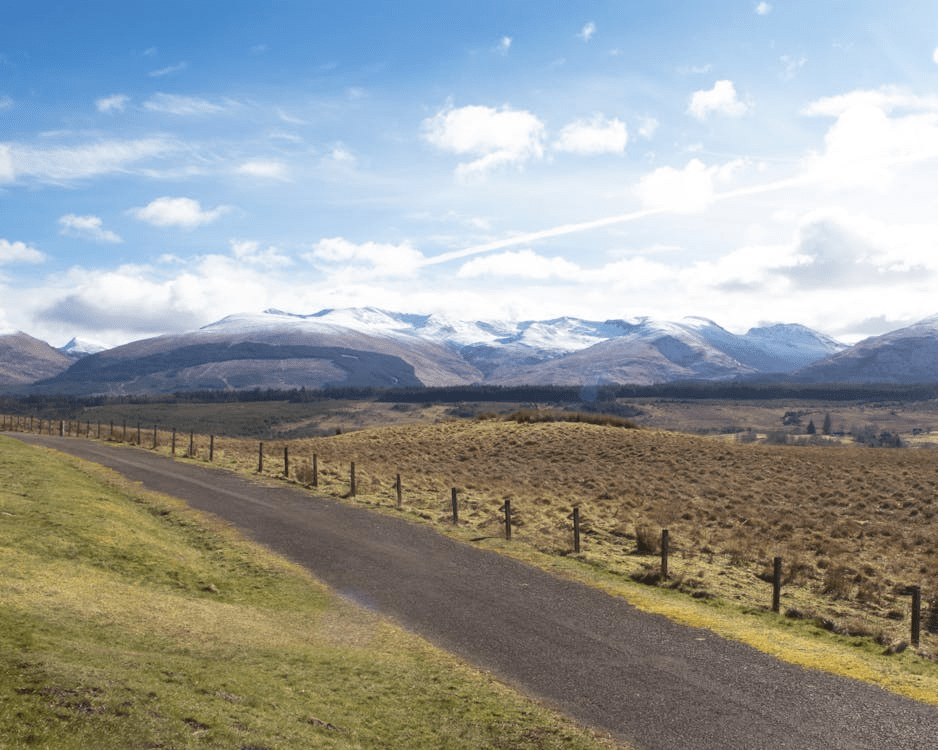
Once everything was set up, the first job was to decide what route to take around the UK. However, the important thing to bear in mind was access to wifi and the internet so that you can could complete your work. A popular route for nomads includes the highlands in Scotland, at the top of the UK and then works its way downwards through England, crosses to Northern Ireland, back to Wales and then back through to the south of the UK. A key part of nomad living is the freedom and flexibility, so the length of time you can spend at each location will be decided by feeling and connection to the space.
Key places to consider putting on the bucket list include the Lake District, the Highlands and also the valleys in Wales; however, beauty is around every corner in the UK, so there was much to see.
Challenges of the road
Living on the road can come with its own challenges, such as:
Finding good wifi spots in very rural areas, such as the highlands. Many times, people have been met with no connection when opening my laptop, ready to work, and having had to drive to the nearest cafe or library to work. However, these are the risks you take when working and living on the road. To combat this, ensure to test the connection when moving to a new place, so you get no unwelcome surprises when opening your laptop.
Another challenge on the road is loneliness. Even though you’re surrounded by an abundance of beautiful scenes and natural wonders, solo travelling can be lonely. Even when you meet new people, it’s only temporary companionship and not necessarily fulfilling. Being alone in a van and not getting a chance to interact with others at work can be a con of life, despite having the freedom; it clearly does come at a cost if you do it solo. However, there are ways to bring social interaction into your life. Firstly, through joining nomad communities online, where you can communicate with other people with similar lifestyles and even meet up if anyone is in a similar area. The flexibility of the work-life also helps you by allowing time for these kinds of interactions.
Final thoughts
The Digital nomad lifestyle is perfect for those who crave a genuine work-life balance. The experiences and the lessons I’ve learnt on the road have been life-changing, from resourcefulness to becoming happy with your own company. So if you’re sick of soulless corporate life and actually want to experience what the world has to offer, you know what to do and how to do it!
 CastlesandTurrets